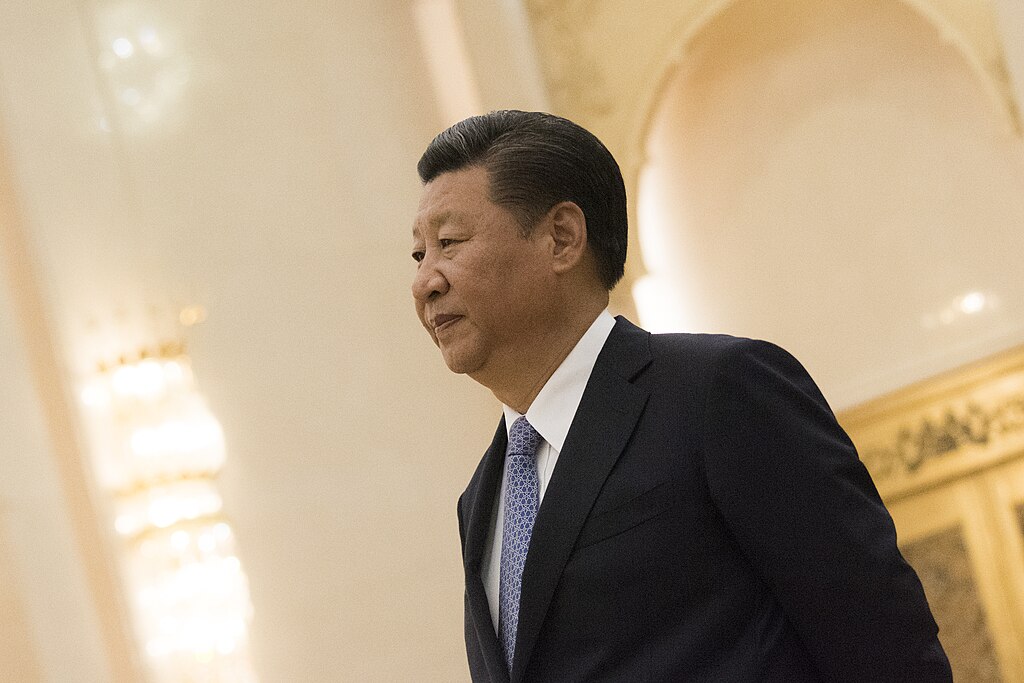
China and Uruguay have reaffirmed their commitment to deeper cooperation, with Chinese President Xi Jinping calling on both countries to work together to promote an “equal and orderly multipolar world” and inclusive economic globalization. Xi made the remarks during a meeting with Uruguayan President Yamandú Orsi in Beijing, according to a media pool report, underscoring China’s continued engagement with South America amid a polarized global landscape.
Orsi’s visit is particularly significant, marking the first trip by a South American leader to China since the United States’ January operation in Venezuela that led to the capture of then-president Nicolás Maduro. The timing sends a strong diplomatic signal, highlighting that Latin American nations remain keen to strengthen ties with Beijing despite growing geopolitical tensions. Analysts say the visit reinforces China’s role as a key economic and political partner in the region.
Leading a delegation of around 150 people, including senior business figures, Orsi aims to boost Uruguay’s international standing and unlock new opportunities for investment, trade, and development. His visit, which runs until February 7, also includes stops in Shanghai, China’s commercial hub. In a social media post, Orsi emphasized that the trip was designed to empower Uruguay globally while fostering sustainable economic growth.
China and Uruguay signed a joint declaration to deepen their strategic partnership, along with 12 cooperation agreements spanning science and technology, environmental protection, intellectual property, and agricultural trade, including meat exports. Orsi described the relationship as being at its strongest point, stressing the shared responsibility to elevate cooperation to a new level, particularly through diversification of goods trade and expanded collaboration in services and investment.
China remains Uruguay’s top export destination in 2025, importing key agricultural products such as beef, soybeans, and wood pulp. Uruguay recorded a trade surplus of $187.1 million with China in the first half of the year, while importing machinery, electronics, and chemicals from the Asian nation. Experts note growing potential in sectors like dairy and services, areas where Uruguay has succeeded in Western markets but has yet to fully tap into opportunities with China.