


 Tesla Holds $960 Million in Bitcoin as BTC Gains Top $710 Million
  Wall Street Ends Mixed as Investors Await CPI and Bank Earnings
  China Resumes US Soybean Purchases After Trump-Xi Summit
  US Dollar Slips From 18-Month High Ahead of Key Inflation Data
  Oil Prices Fall as Russia Signals Higher Diesel Exports
  Gaza Olive Harvest Collapses as War Destroys Farmland
  Trump Defends Russian Diesel Deal Amid US Sanctions Backlash
  Nvidia Invests in Four French AI Companies to Expand European Presence
  NEAR Protocol Leads AI Crypto Rally Amid Fed Rate Hike Fears
  Oil Prices Mixed as Russia Diesel Deal and Houthi Attacks Raise Supply Concerns
  Alibaba Unveils Qwen AI Smart Glasses, Shares Rise 2%
  S&P 500 Rally Masks Losses for Over 40% of Stocks in 2026
  Citi Upgrades Galaxy Digital Stock, Raises Price Target to $28
  MNX Crypto Exchange Launches Futures for OpenAI, Anthropic Valuations
  Fed’s Williams Sees One More Rate Hike in 2026, None in 2027
  OpenAI Uses AI to Uncover Hidden Recording Device, FBI Makes Arrest
  Italy’s Meloni Warns US-Russia Diesel Deal Could Weaken Ukraine Sanctions


 Add as a preferred source on Google
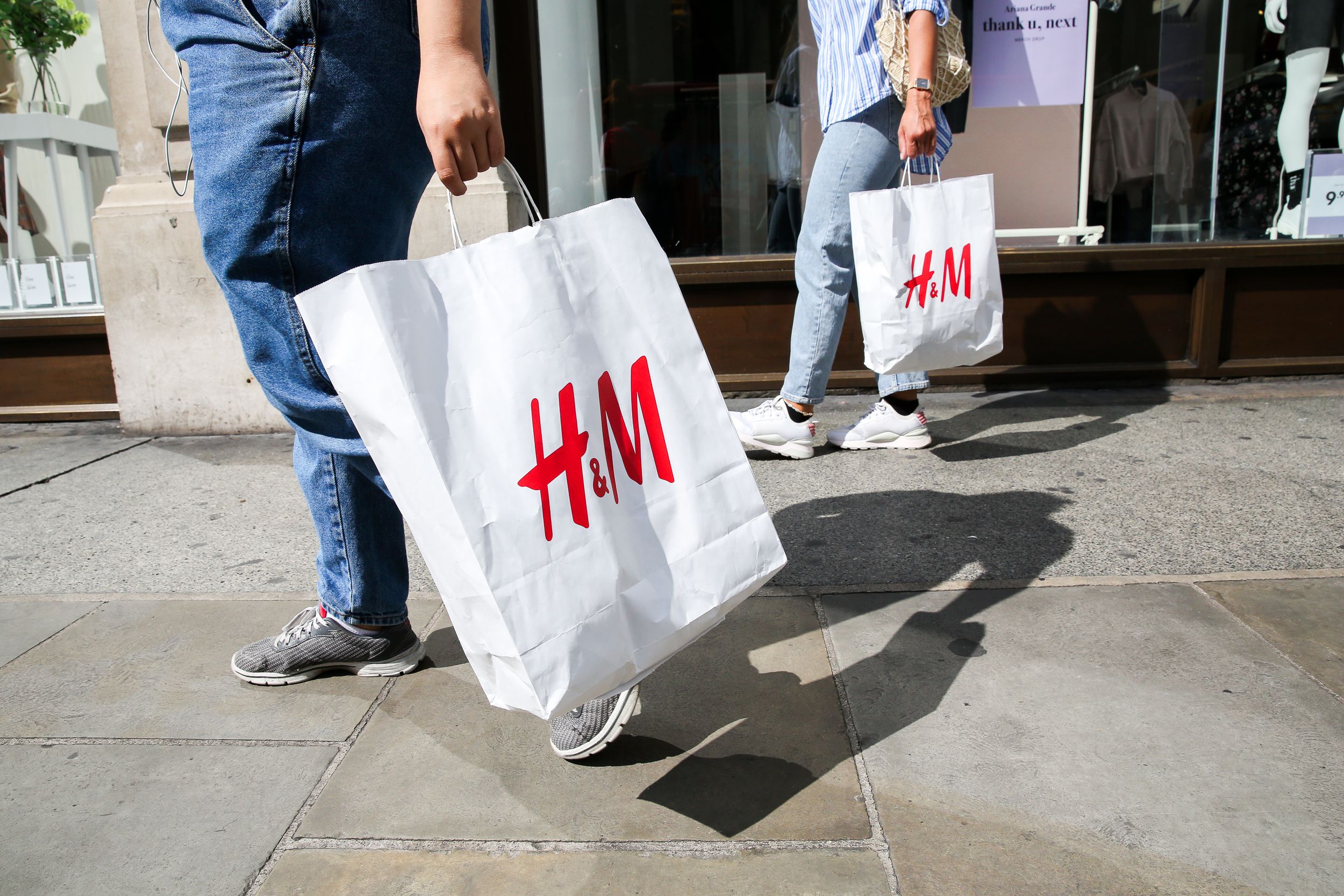
China has accused 16 companies, including H&M, Nike, Zara, of selling unsafe or poor-quality children's clothes and other goods.
The customs agency came up with a list of products that should be returned or destroyed such as T-shirts by Nike, children’s and baby clothing from Zara, and children’s clothing from H&M Group.
The announcement also claimed as potentially hazardous the dyes and other chemicals found in the said clothing and toys and the lack of strength and flexibility of materials in shoes and toothbrushes.
The announcement follows accusations by governments and human rights groups that China uses forced labor in Xinjiang in China's northwest.
Chinese state TV had called for a boycott on H&M over a statement that it would no longer use Xinjiang cotton.
E-commerce platforms in China have removed H&M goods, while app stores have removed those by H&M, Nike, and Adidas.
Chinese authorities are accused of confining around a million people from mostly Muslim minority groups to detention camps in Xinjiang and of forced sterilization and destroying mosques.







