China’s economic growth likely cooled to a three-year low in the fourth quarter, reflecting weaker domestic demand even as the full-year performance stayed close to Beijing’s official target. According to a Reuters poll, gross domestic product (GDP) growth is estimated at 4.4% year-on-year in the October–December period, down from 4.8% in the third quarter and the slowest pace since late 2022, when pandemic restrictions were still in place.
Despite these headwinds, China’s economy showed notable resilience in 2025. Smaller-than-expected U.S. tariff hikes and exporters’ success in diversifying toward non-U.S. markets helped cushion the impact of global trade tensions. As a result, policymakers were able to rely on relatively modest stimulus measures. Full-year GDP growth is forecast at 4.9%, broadly meeting the government’s target of around 5%, following 5.0% growth in 2024.
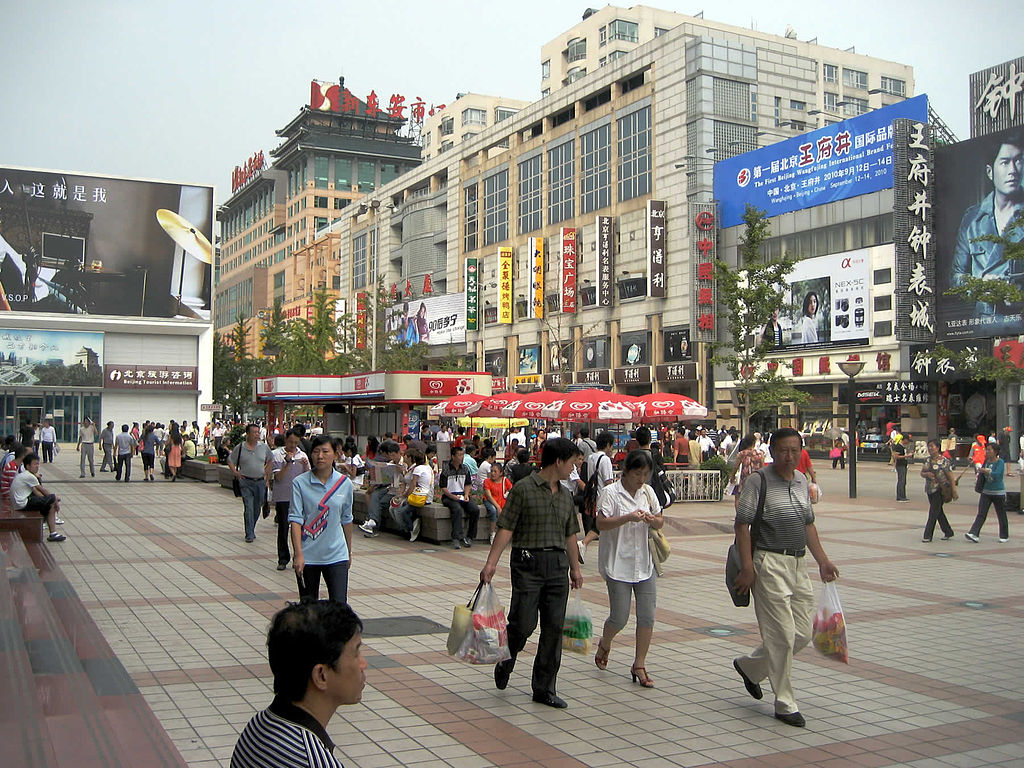
Exports and manufacturing remained key growth drivers. China reported a record trade surplus of nearly $1.2 trillion in 2025, fueled by strong overseas demand. However, this heavy reliance on external markets highlights deeper structural imbalances. Weak household consumption, a prolonged property sector downturn, and persistent deflationary pressures continue to drag on domestic demand.
On a quarterly basis, economic growth is expected to have slowed to 1.0% in the fourth quarter from 1.1% in the previous period. Looking ahead, uncertainty is rising. The 2026 outlook is clouded by growing global protectionism and unpredictable U.S. trade policies, with China’s growth projected to ease further to around 4.5%.
In response, China’s central bank has begun easing policy through targeted interest rate cuts and signaled openness to broader monetary support. Still, analysts warn that stimulus alone may not be enough. Economists argue China must accelerate its shift toward consumption-led growth by boosting household incomes, strengthening the social safety net, and addressing excess industrial capacity.
Without deeper structural reforms, China’s economy may struggle to sustain stable growth amid mounting global and domestic pressures.