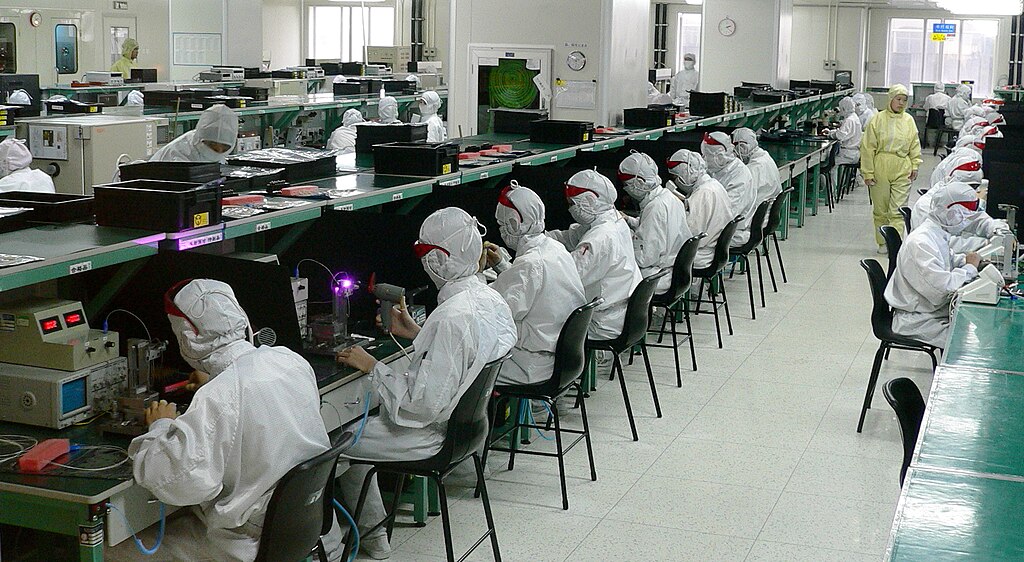
China's industrial output climbed 5.7% year-on-year in March, according to data released by the National Bureau of Statistics, surpassing analyst forecasts of 5.5% from a Reuters poll of 36 economists. Despite the stronger-than-expected result, the figure marked a deceleration from the 6.3% growth recorded during the January-February period, as lingering effects from the Iran war continued to weigh on economic momentum across the world's second-largest economy.
Consumer spending showed similar signs of cooling, with retail sales — a key indicator of domestic consumption — rising 1.7% in March. This fell short of the projected 2.3% increase and represented a notable pullback from the 2.8% expansion seen in the first two months of the year. The softening trend signals that Chinese consumers remain cautious amid ongoing global uncertainties and supply chain pressures tied to the broader geopolitical climate.
Fixed asset investment, which tracks spending on infrastructure, real estate, and manufacturing equipment, grew 1.7% in the first quarter of the year. This came in below market expectations of 1.9% and slightly under the 1.9% expansion reported for January and February combined, reflecting a cautious approach to capital deployment among businesses navigating an unpredictable global trade environment.
Taken together, the latest economic indicators paint a picture of an economy that continues to expand, albeit at a more measured pace. China's ability to post above-forecast industrial growth despite external disruptions highlights underlying structural resilience. However, the slowdown in retail activity and investment underscores the need for sustained policy support to stimulate domestic demand and restore consumer confidence. Economists and investors will be closely watching upcoming monetary and fiscal policy signals from Beijing as the country seeks to stabilize growth and adapt to an increasingly complex global economic landscape.