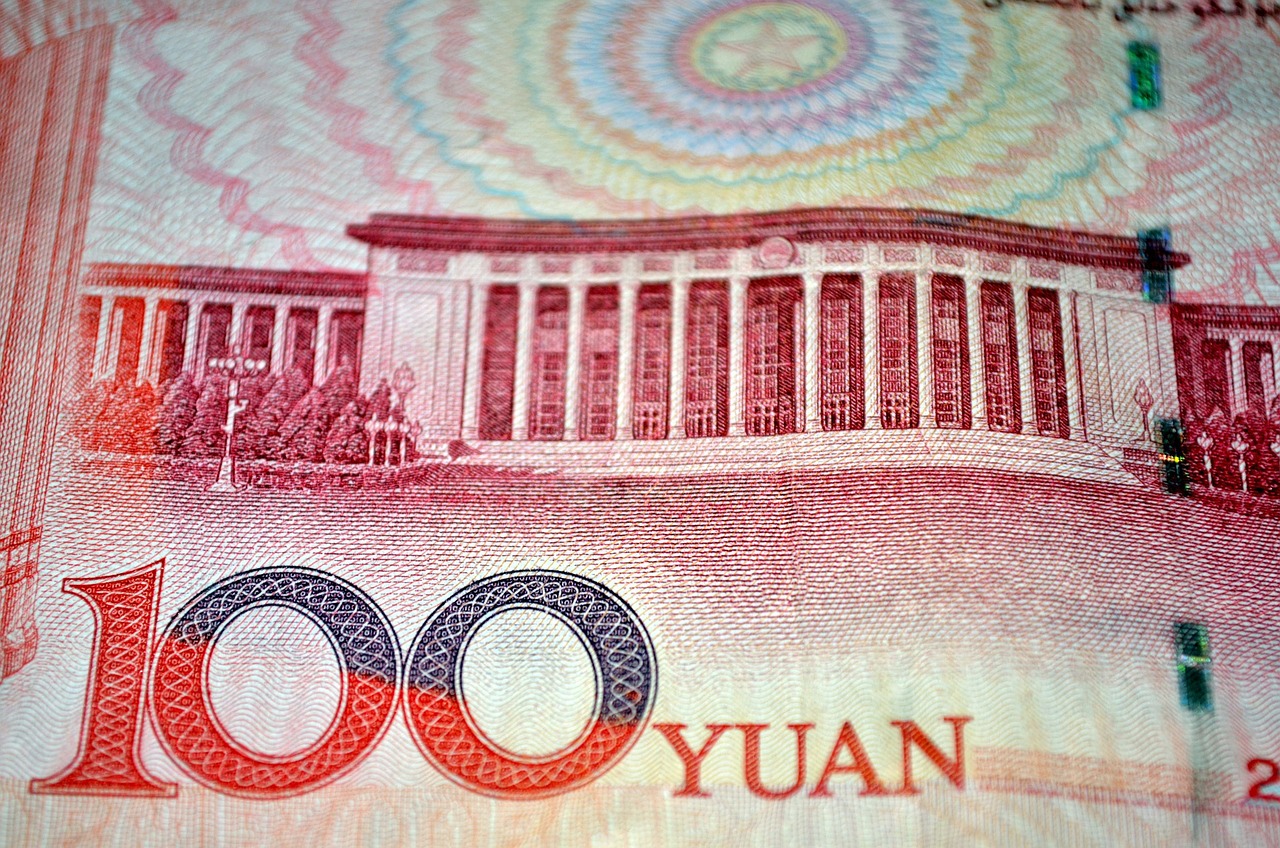
China’s foreign exchange reserves increased modestly in May, rising by just $3.6 billion to $3.285 trillion, according to data released Saturday by the State Administration of Foreign Exchange (SAFE). The gain fell short of market expectations, with a Reuters poll forecasting reserves to reach $3.292 trillion. In April, reserves stood at $3.282 trillion.
Despite the rise, the increase was lower than anticipated, reflecting ongoing fluctuations in global currency markets and asset valuations. SAFE attributed the change to “the combined effects of exchange rate conversion and asset price changes.”
During the same period, the Chinese yuan weakened by 1.05% against the U.S. dollar, while the dollar index—which measures the greenback against a basket of major currencies—dipped 0.23%, indicating broader weakness in the U.S. currency. This currency dynamic likely contributed to the slower-than-expected reserve growth.
China maintains the world’s largest foreign exchange reserves, a critical buffer for economic stability and a key indicator watched closely by global investors. The modest increase suggests cautious capital movements and continued pressure on the yuan amid geopolitical and economic uncertainties.
While a weaker dollar typically boosts the value of non-dollar assets in reserve portfolios, the yuan’s depreciation may have offset some of those gains. Analysts remain focused on how China manages its reserves amid U.S.-China tensions, interest rate shifts, and market volatility.
The subdued reserve growth highlights the delicate balance China faces in maintaining currency stability and supporting economic policy amid shifting global conditions.