


 FxWirePro: Daily Commodity Tracker - 21st March, 2022
  RBI Rate Hike Bets Surge as Inflation Rises
  Fed’s Hammack Says Bond Yield Surge Is Not Driven by Inflation Fears
  Best Gold Stocks to Buy Now: AABB, GOLD, GDX
  Gold Prices Fall Amid Rate Jitters; Copper Steady as China Stimulus Eyed
  Fed Unveils Stablecoin Rules Under GENIUS Act


 Add as a preferred source on Google
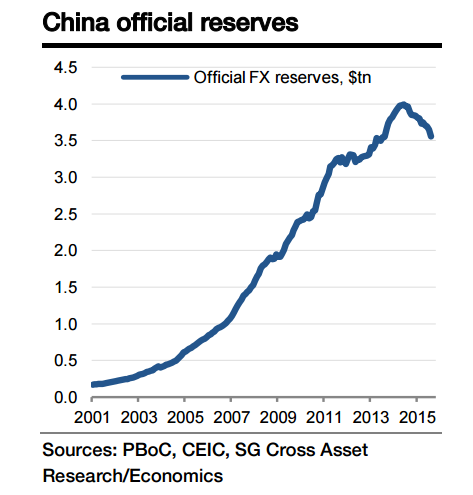
China's FX reserves likely dropped by $57bn in September to $3.50trn, compared with a $94bn decline in August. Since there was little change in major currency valuations vs the USD, the estimated decline implies $55bn of FX intervention by the PBoC, down from $110bn in the previous month.
The PBoC seems to have remained active in the onshore currency market. Onshore CNY spot trading volume averaged around $23.3bn, i.e. lower than the record $31.4bn observed in August but still well above the levels seen before the currency regime change. Also, there have been signs of FX intervention in the offshore CNH market. However, a series of measures have been introduced to tighten capital controls on corporates and households, which may have helped mitigate capital outflow pressures.
In addition, intervention in the derivatives market, which does not leave much of a mark on the current FX reserve data, seems to have taken place as well. Such intervention should show up on the table of "predetermined short-term net capital drains on foreign currency assets", reported monthly by the SAFE. In light of the possibility of state-owned commercial banks selling USD at the behest of the PBoC, the reserve figure could surprise on the upside as it did in August.

- News

- Economy

- Central Banks
- Investing
- Research
- Roundups
- Digital Currency
- Insights
- Technical Analysis
- Technology
- Business
- Law
- Health
- Nature
- Fintech
- Science
- Topic
- Opinions
- ©Econometrics LLC . All Rights Reserved.
China’s FX reserves likely dropped to $3.5trn
Monday, October 5, 2015 9:19 PM UTC
Editor's Picks



- Market Data
Most Popular




