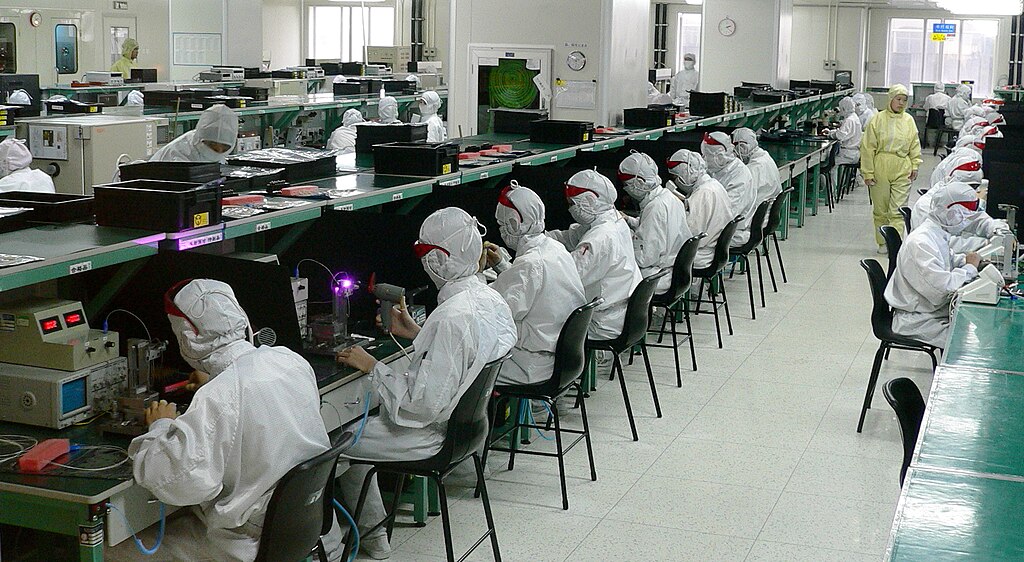
China’s manufacturing sector likely shrank for a second consecutive month in February, underscoring weak domestic demand and fueling calls for more economic stimulus. A Reuters poll of 21 economists predicted the official Purchasing Managers’ Index (PMI) at 49.9, up from January’s 49.1 but still below the 50-point threshold that signals expansion.
Despite achieving its 5% growth target in 2024, China’s $18 trillion economy faces challenges, with strong exports and industrial output contrasting weak retail sales and high unemployment. Beijing is expected to maintain the same growth goal in 2025 but must address sluggish demand as fresh U.S. tariffs increase pressure on Chinese manufacturers.
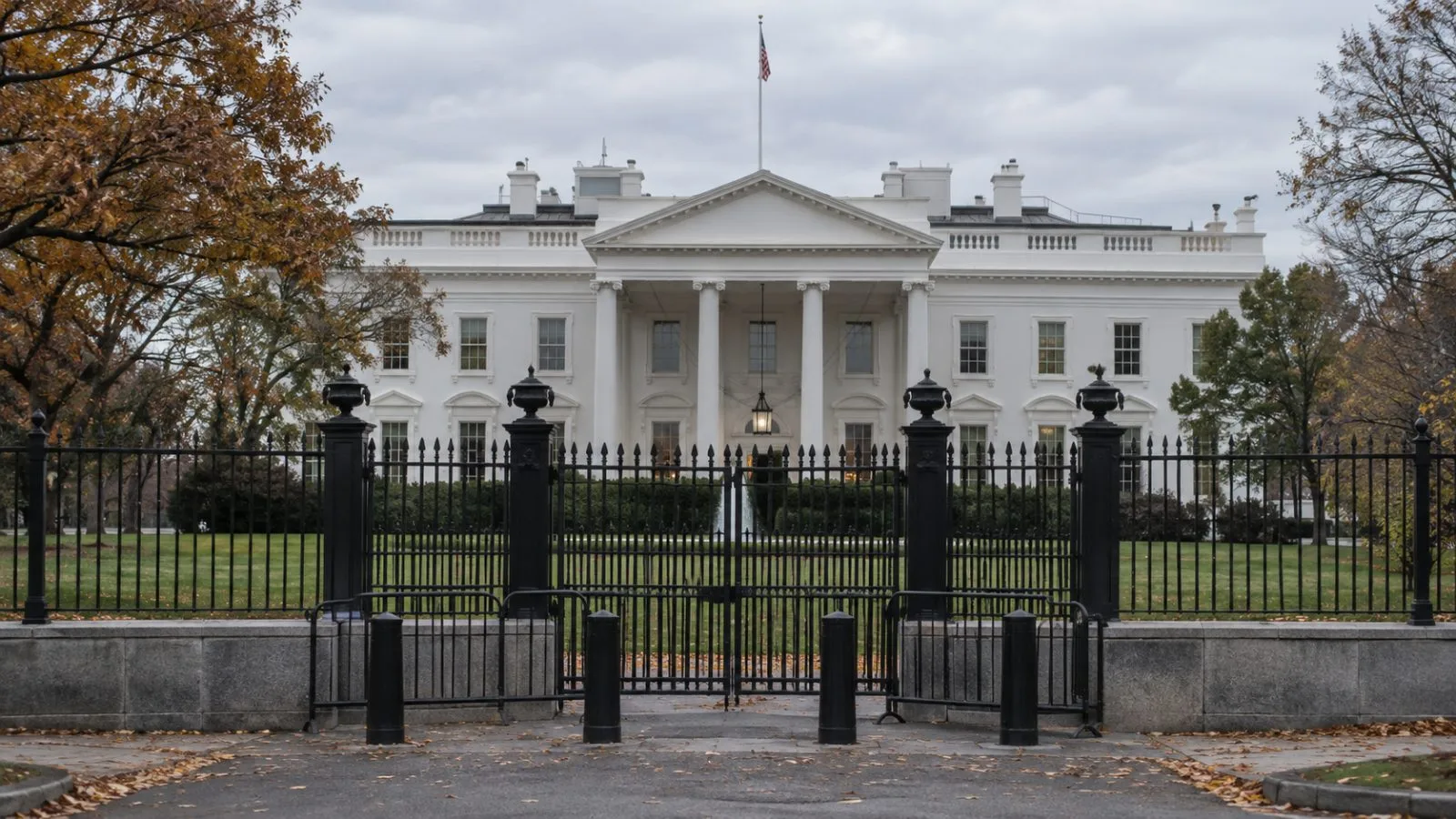
U.S. President Donald Trump announced an additional 10% tariff on Chinese goods effective March 4, following a similar duty on Feb. 4. The move, linked to Beijing’s handling of the fentanyl crisis, brings cumulative tariffs to 20%, still below his earlier threat of 60%.
More than half of surveyed economists believe China’s factory conditions worsened in February. Pantheon provided the lowest PMI estimate of 49.0, while six respondents expect expansion, with DZ Bank forecasting 50.5. Meanwhile, the private-sector Caixin PMI is projected to rise to 50.3 from January’s 50.1, with data due on March 3.
Investors await the annual parliamentary meeting on March 5, where Beijing is expected to announce fresh stimulus, including support for the struggling property sector. Reviving consumer spending is critical to offset trade risks and sustain growth. Policymakers have pledged higher fiscal spending, increased debt issuance, and monetary easing to counter economic headwinds.
With mounting external pressures and an uncertain recovery path, China’s ability to stimulate demand remains in focus as global markets react to economic shifts.