


 European Stocks Rise as Oil Prices Fall Ahead of US CPI
  US, EU Push for Action Against Asia’s Excess Factory Capacity
  Trump Defends Russian Diesel Deal Amid US Sanctions Backlash
  Asian Currencies Steady as Dollar Eyes Fourth Weekly Gain
  Iran Refuses to Halt Uranium Enrichment Amid US Nuclear Demands
  US Stock Futures Rise as Oil Prices Fall Ahead of Q3 Earnings
  Asian Stocks Mixed as OpenAI Revenue Concerns Hit Chipmakers
  S&P 500 Rally Masks Losses for Over 40% of Stocks in 2026
  MSTR Stock Rises as Barclays Raises Price Target to $175
  Dogecoin Price Rises as Bitwise Plans DOGE ETF Closure
  Oil Prices Rise as Houthi Attacks Threaten Middle East Supply
  Bank of America Predicts Yen Rebound as USD/JPY Faces Risks
  XRP Price Holds $1.35 Support as Bears Target $1.25
  Evernorth Nasdaq Listing Nears as XRP Price Falls
  Oil Prices Surge Above $106 After Deadly Saudi Airport Attack
  BNB Price Faces Pressure as DOJ Investigates Binance


 Add as a preferred source on Google
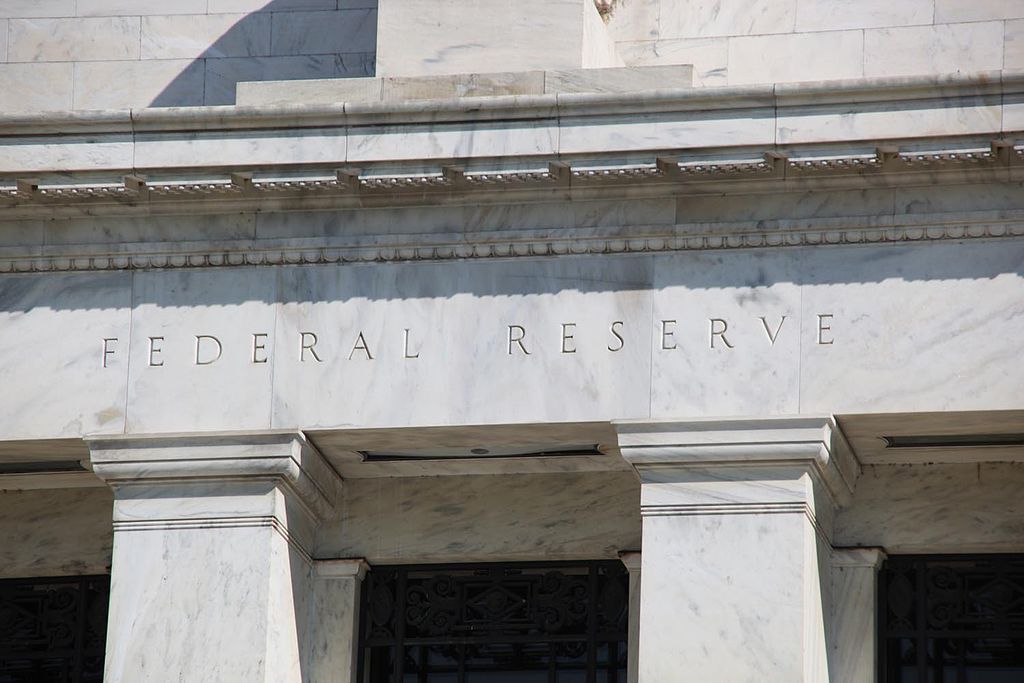
The Federal Reserve’s monetary policy strategy following the recent inflation surge is helping keep long-term US Treasury yields near multiyear highs, potentially creating wider risks across financial markets, according to Citadel Securities.
Nohshad Shah, Citadel Securities’ head of EMEA fixed-income sales, said long-dated Treasury yields have climbed to their highest levels in almost two decades even though the Fed’s policy rate remains 175 basis points below its previous peak.
Shah said the bond market appears increasingly concerned that both monetary and fiscal policymakers could favor less restrictive options when confronted with difficult economic decisions. As long as investors maintain that perception, elevated bond yields could remain a significant source of market risk.
The US 30-year Treasury yield climbed above 5.28% on Monday, reaching a 19-year high. The increase came as traders reduced expectations for a Federal Reserve interest rate cut in September following economic data indicating easing inflation and softer consumer demand.
However, Shah cautioned investors against assuming that improving inflation figures and weakness in the US labor market mean interest rates are positioned for a sustained decline. More than 55% of core goods prices are still increasing, he noted, leaving the Fed’s upcoming policy decision finely balanced.
Persistent inflation pressures could force the Federal Reserve to maintain tighter monetary policy for longer, potentially keeping US bond yields elevated and increasing pressure on equities, credit markets and other risk assets.
Shah also addressed the artificial intelligence investment landscape, arguing that opportunities are increasingly shifting from developing cutting-edge AI models toward the infrastructure required to operate and distribute AI services.
Major cloud computing companies such as Microsoft and Google could be better positioned to generate returns from the AI boom through computing capacity, inference services and distribution. These businesses may offer investors clearer paths to monetization than frontier AI developers such as OpenAI and Anthropic.
The combination of high Treasury yields, uncertainty over Fed rate cuts and changing AI investment trends could therefore remain important factors shaping financial markets and investor sentiment.







