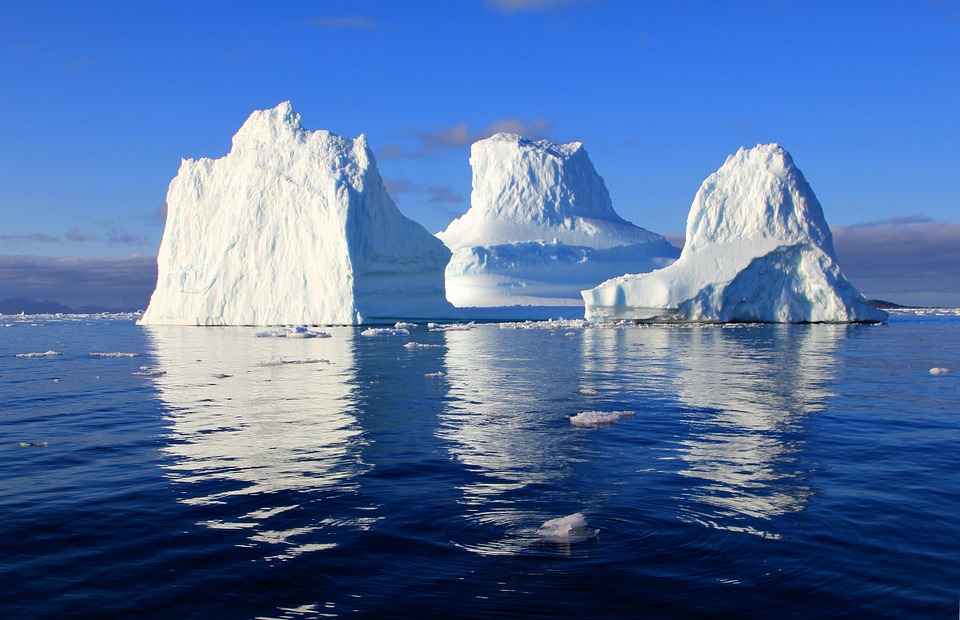
A persistent issue that the world is facing today is climate change, even in the midst of a pandemic. Researchers have now warned that the rate of ice sheet melting in Greenland has already hit its critical levels.
Ice sheets in frozen regions of the world are already melting at a concerning rate due to the changing temperatures. One ice sheet, in particular, has raised concerns among scientists regarding the rate that which it is melting. Researchers have now revealed that rising sea levels would become a consequence of the melting of Greenland’s ice sheet. Should the current trends of climate change continue, then the situation would become dire as the ice sheet will no longer be able to regrow.
The rising of sea levels is one of the most devastating effects brought on by climate change. Should this occur, countries and cities may be at risk of getting submerged. As of now, Greenland’s ice sheet is melting at a rate that would contribute to a rise of sea levels by less than a millimeter every year. However, even with the periods of growth in the ice, the ice sheet is believed to have shed up to 3.5 trillion tons of ice in a span of 20 years.
Experts have since predicted that should the global climate rise by two degrees celsius, this will result in a drastic loss of ice and a rise in sea levels by several meters. To make things worse, this may continue for thousands of years, which will only worsen should the rate of global warming increase.
Climate change has also taken its toll on animals and wildlife all over the world, including sharks. A recent report suggests that the warming temperatures may have led to increased shark attacks. This was because, in 2020 alone, there have been eight deadly shark attacks that occurred on the coast of Australia. This comes as a drastic increase compared to one fatal shark attack that usually tends to happen every year. Thus, scientists believe that climate change may have been the cause of the surge in shark attacks.
In Australia, the coral reefs have been dying off which results in smaller sea creatures moving towards warmer waters. This, in turn, has led to sharks following these creatures.