


 S&P 500 Rally Masks Losses for Over 40% of Stocks in 2026
  We combed through old botanical surveys to track how plants on Australia’s islands are changing
  Samsung, SK Hynix Shares Plunge as China Chip Competition Grows
  Philippines Current Account Deficit Seen at $19.1 Billion in 2026
  Russia Approves Sberbank for Crypto Exchange Services
  Oil Prices Fall as Russia Signals Higher Diesel Exports
  Nvidia’s China AI Chip Market Share Falls to 34% as Huawei Gains Ground
  Thousands of satellites are due to burn up in the atmosphere every year – damaging the ozone layer and changing the climate
  Meta Launches Muse Wonder AI Models, Shares Rise 3.7%
  Elon Musk Donates $366 Million to 2026 US Midterms
  Deutsche Bank CEO Urges Faster German Economic Reforms
  Oil Prices Surge Above $106 After Deadly Saudi Airport Attack
  How is Antarctica melting, exactly? Crucial details are beginning to come into focus
  Canton Network Expands in South Korea With Major Partnerships


 Add as a preferred source on Google
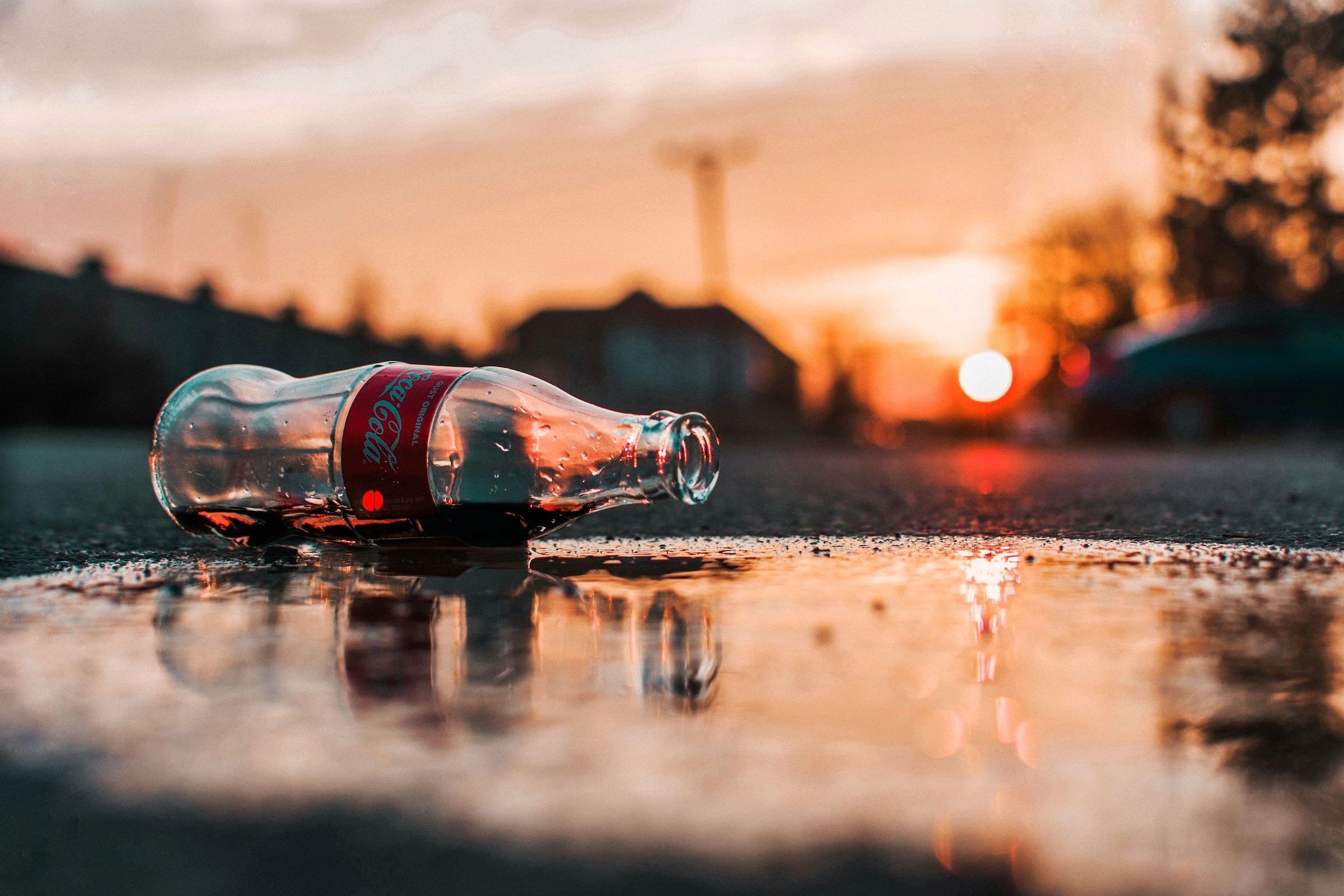
Coca-Cola announces an ambitious plan to support its 'World Without Waste' initiative. By 2030, the beverage giant aims to deliver 25% of its global product volume in reusable packaging, significantly reducing single-use waste and expanding sustainable packaging options across North America.
The company focuses on reusable packaging options such as returnable bottles and refillable cups for fountain dispensers to achieve this goal. While returnable glass and plastic bottles are prioritized in countries with established reuse infrastructures and supply chains, the company sees a significant opportunity to drive the adoption of refillable vessels and cups in North America. This would contribute to the global reusable target, reduce single-use waste, and minimize the use of new materials.
Coca-Cola is already taking action by scaling up its reusable packaging pilots in North America. One notable partnership is with r.Cup, a startup that aims to replace single-use cups with reusable cup solutions in large-scale sports and entertainment venues, cinemas, festivals, and events. Through this collaboration, Coca-Cola is helping to scale up r.Cup's turnkey platform in major cities like Los Angeles, San Francisco, Seattle, Denver, and Washington, D.C.
Anton van Zyl, the Director of Sustainable Packaging Strategy at Coca-Cola North America, emphasized the company's commitment to reducing its environmental impact and ensuring all packaging has value in the circular economy. As part of this effort, concessionaires can choose from a range of durable polypropylene cups that deliver a premium drinking experience. These cups are collected, washed, sanitized, inspected, and repackaged by r.Cup for reuse.
Coca-Cola North America collaborates with local bottling partners to help fountain customers incorporate reusable packaging solutions into their sustainability programs and business strategies.
In addition to these initiatives, the Coca-Cola System in Nigeria is reinforcing its commitment to promoting sustainable ecosystems and ocean preservation through its Annual System Beach Cleanup exercise. This exercise is aligned with the company's World Without Waste vision, which aims to collect and recycle a bottle or can for every one sold globally by 2030, regardless of its origin.
With these groundbreaking efforts, the Coca-Cola Company is not only reshaping the future of sustainable packaging but also inspiring others to join in creating a world without waste.
Photo: Krisztian Matyas/Unsplash







