


 Binance to Shut Down Crypto Mining Pool Services on November 10
  Orsted to Take Full Ownership of UK Offshore Wind Farm for £15 Million
  TSMC Profit Set to Surge 65% as AI Chip Demand Drives Record Earnings
  Coinbase CEO Backs SEC Accredited Investor Reform
  Bumble Shares Surge 50% on $1 Billion Buyout Talks
  Meta Launches Muse Wonder AI Models, Shares Rise 3.7%
  Samsung, SK Hynix Shares Fall as China's CXMT Advances DRAM Technology
  Russia Approves Sberbank for Crypto Exchange Services
  South Korea Blocks 27 Crypto Exchange Websites in Regulatory Crackdown
  Morgan Stanley Predicts $10 Trillion RWA Market by 2030
  Visa Wins China Approval to Prepare Domestic Payments Expansion
  Moonshot AI Executives Seek Settlement Ahead of Hong Kong IPO
  Canton Network Expands in South Korea With Major Partnerships
  Airbus Tests Valkyrie Combat Drone in Europe for Eurofighter Integration
  Nvidia’s China AI Chip Market Share Falls to 34% as Huawei Gains Ground
  Arthur Hayes Announces FLOP Testnet Launch Within Weeks
  FAA Warns US Airlines Over Saudi Arabia Flight Risks


 Add as a preferred source on Google
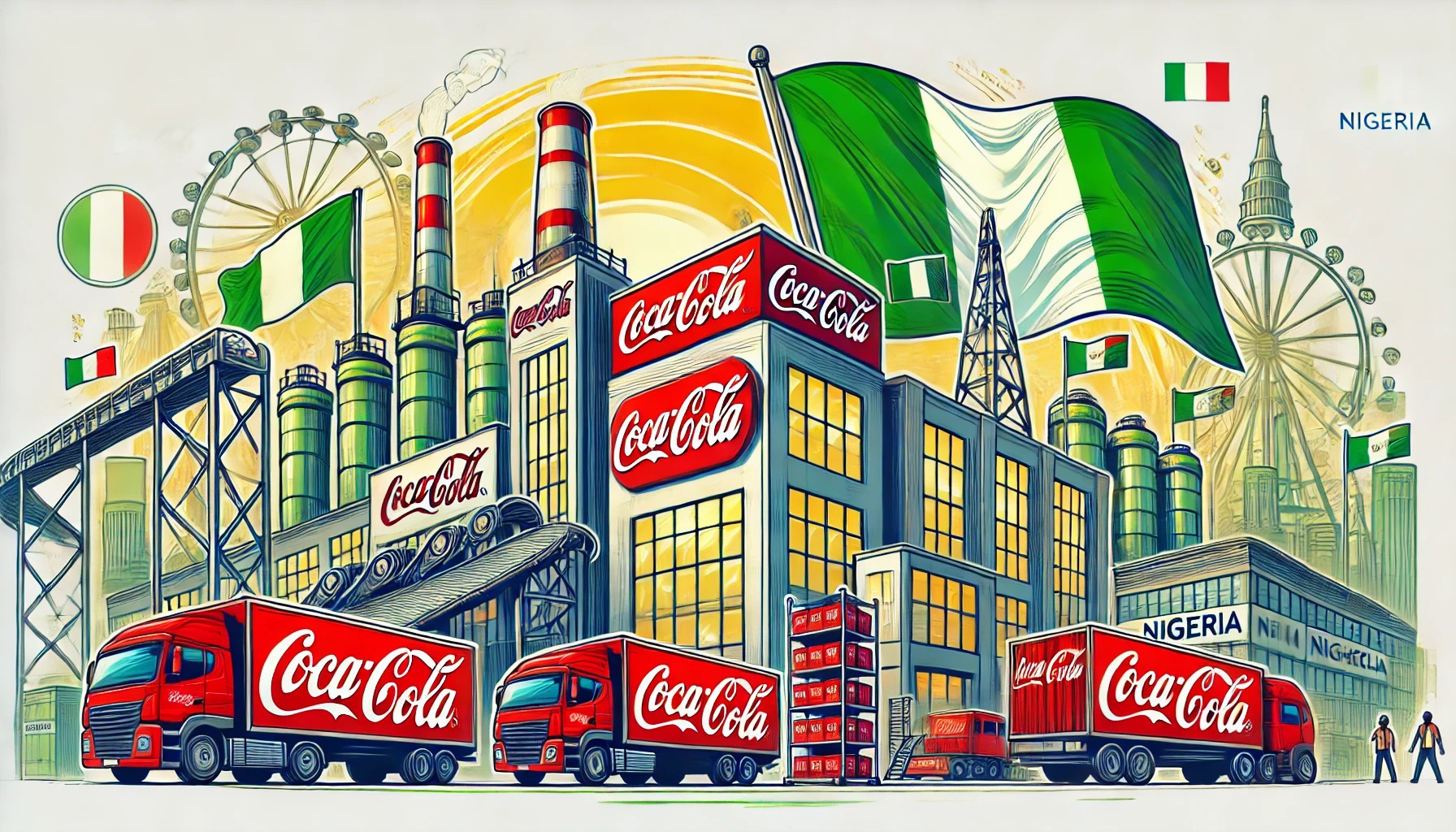
Coca-Cola will invest $1 billion in its Nigerian operations over the next five years to enhance manufacturing and job creation, President Bola Tinubu revealed after discussions with top executives of the soft drink giant.
Coca-Cola Set to Invest $1 Billion in Nigeria, Tinubu Reveals
President Bola Tinubu and senior officials of Coca-Cola met on Thursday, and the president of the country said that the soft drink manufacturer intends to invest $1 billion in its operations in Nigeria over the next five years.
According to Reuters, Tinubu met with John Murphy, who is the president and chief financial officer of Coca-Cola, Zoran Bogdanovic, who is the CEO of Coca-Cola HBC, one of the many bottlers of Coca-Cola throughout the world, and other executives from the corporation in his efforts to entice investment into the economy.
Coca-Cola's $1.5 Billion Investment in Nigeria Since 2013
The Nigerian president's office released a statement stating that Bogdanovic informed Tinubu that Coca-Cola had spent $1.5 billion in Nigeria since 2013 on training and development, supply chain improvements, and production capacity expansion.
"I am very pleased to announce that, with a predictable and enabling environment in place, we plan to invest an additional $1 billion over the next five years," it was reported that Bogdanovic said.
Multinational Firms Like Procter & Gamble, Bayer Exit Nigerian Market
The announcement of investment follows a slew of corporate departures or distribution deals struck by multinationals during Tinubu's administration, including Procter & Gamble, GSK Plc, and Bayer AG, as reported by US News.
The government of Tinubu, which has been in power since May of last year, has stated its intention to foster an environment welcoming to enterprises.
"We are building a financial system where you can invest, re-invest, and repatriate all your dividends. I have a firm belief in that," he declared.
Nigeria's Market Potential Remains Strong Despite Investor Concerns
Many international businesses regard Nigeria as a possible market due to the country's large population (over 200 million). However, challenges with the currency, bureaucracy, and inconsistent policies deter some investors.
Coca-Cola HBC, a bottler, predicted an increase in operational profit for the year in April. The company attributed the uptick in sales to strong demand for its coffee, energy, and carbonated beverage products, which allowed it to maintain pricing increases despite rising expenses and currency devaluations in nations such as Nigeria and Egypt.







