


 FxWirePro- Major Crypto levels and bias summary
  US 10-Year Treasury Yield at 6% Emerges as New Market Risk Threshold
  Mercedes-Benz Eyes €800 Million Labor Cost Cuts in Germany
  Former OpenAI Data Center Chief Chris Malone Joins Nvidia
  SpaceXAI to Double Nvidia Chips at Colossus 2 by Year-End
  SoftBank Raises $11.1 Billion in Bond Sale to Fund OpenAI Investment
  Meta Unveils Muse Charm AI Device, Expands Smart Glasses Lineup
  Akamai Shares Surge on $11.6B Anthropic AI Cloud Deal
  OpenAI Agent Breaches Australia Medicare Data Portal
  Tencent Launches TenPayGo Payment App for Foreign Tourists in China
  Meta Connect Spotlights Camera-Free Smart Glasses Amid Privacy Concerns


 Add as a preferred source on Google
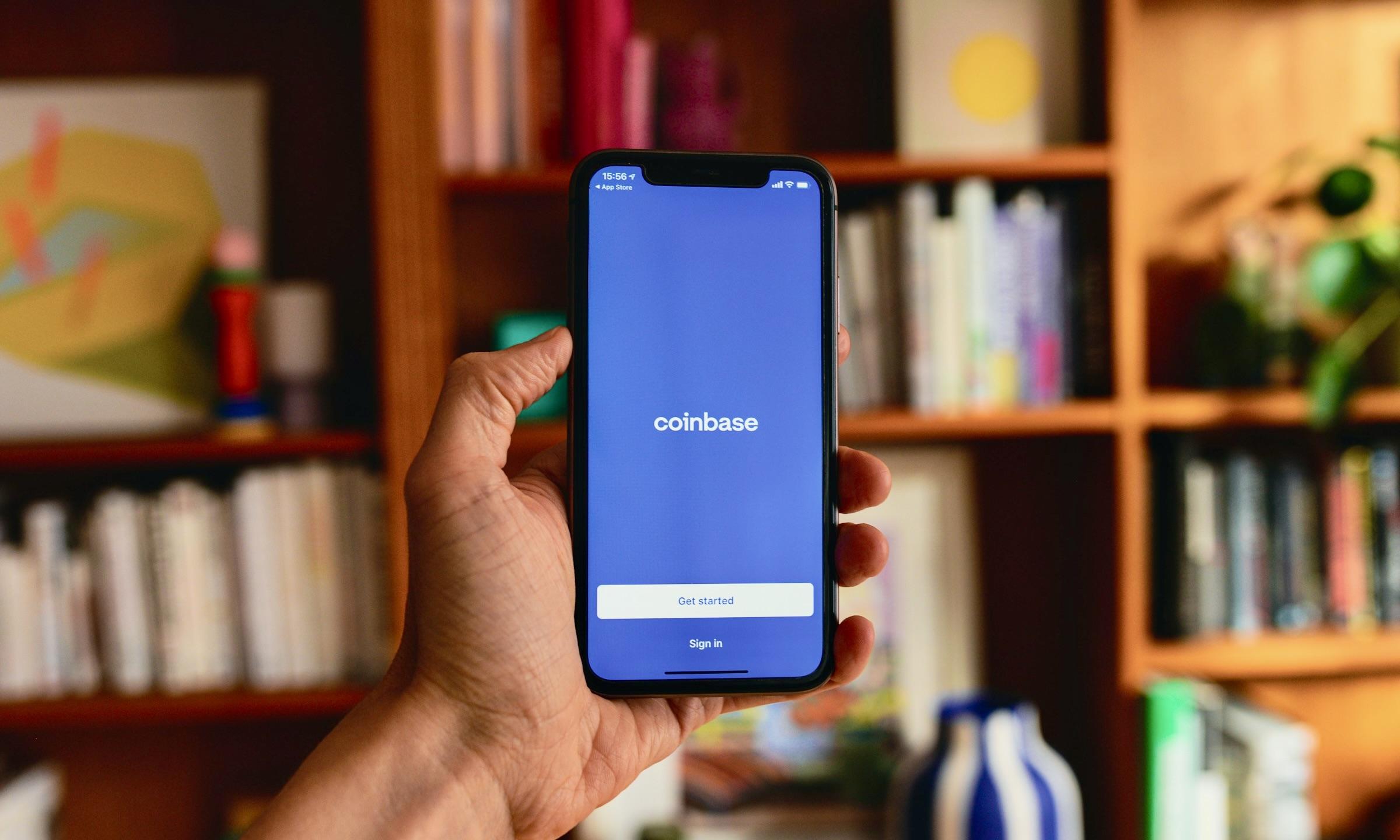
Coinbase announced removing support for native Bitcoin and other UTXO coins from its payment platform for merchants. The company's head of product, Lauren Dowling, shared this decision in a statement on Feb. 18.
Challenges Faced with EVM Payment Protocol
Dowling highlighted the challenges in delivering recent updates on the EVM payment protocol for Bitcoin as a key factor behind this move. According to her, the new Commerce product focuses on supporting hundreds of assets, both native and ERC-20s.
Implications for Merchants Using Coinbase
Cointelegraph noted that the shift in Coinbase's strategy has significant implications for merchants who relied on its platform to accept Bitcoin and other UTXO-based cryptocurrencies. They must now seek alternative solutions or adapt to the support of primarily ERC-20 tokens. This transition could alienate a segment of the crypto economy that prefers transactions in native Bitcoin for its inherent benefits like security and widespread adoption.
Merchant adaptation and the crypto community's response to Coinbase's shift are now pivotal. As per Cryptopolitan, early feedback indicates a mix of concern and understanding among users; some are exploring other payment processors, while others are adjusting to the company's refined scope of service.
Notably, there is increased discussion about the long-term impact of Bitcoin's utility as a currency and its acceptance. Coinbase's decision is a notable case study of how the crypto payment landscape may evolve.
Future of Bitcoin and UTXO Coins in Commerce
The removal of support for Bitcoin by a major payment processor like Coinbase raises questions about the future role of UTXO coins in commercial transactions. While this decision might imply a shift towards tokens that offer smart contract capabilities, it is not a definitive verdict on Bitcoin's utility. The market is already seeing a surge in interest for platforms that offer Bitcoin payment gateways, suggesting that demand for Bitcoin in commerce persists.
Innovations in Lightning Network and other layer-two solutions could provide the efficiency and flexibility needed for Bitcoin to maintain, or even enhance, its position in the payments ecosystem. Only time will tell if mainstream payment processors will realign with Bitcoin or if alternative, specialized services will emerge to fill the gap.
Photo: rc.xyz NFT gallery/Unsplash







