


 DeFi Development Adds 22,070 SOL to Solana Treasury
  Elon Musk Eyes Semiconductor Manufacturing Expansion With $15 Billion Terrafab Project
  Epic Games Delays Disney Shooter, Shifts to AI-First Development
  Apple Supplier Luxshare Sees Limited Impact From US Patent Probe
  Apple Supplier Luxshare Faces US Patent Probe, Sees Limited Impact
  TSMC Q3 Revenue Beats Estimates as AI Chip Demand Surges
  Apple Names Steve Smith M&A Chief in Leadership Shakeup
  Bitcoin Price Drops as US Dollar Hits 18-Month High
  TSMC Profit Set to Surge 65% as AI Chip Demand Drives Record Earnings
  Arthur Hayes Announces FLOP Testnet Launch Within Weeks
  Zcash Plans Quantum-Resistant Security Upgrade for January
  Ethereum Foundation-Linked Wallets Move $11.13M in ETH to Kraken


 Add as a preferred source on Google
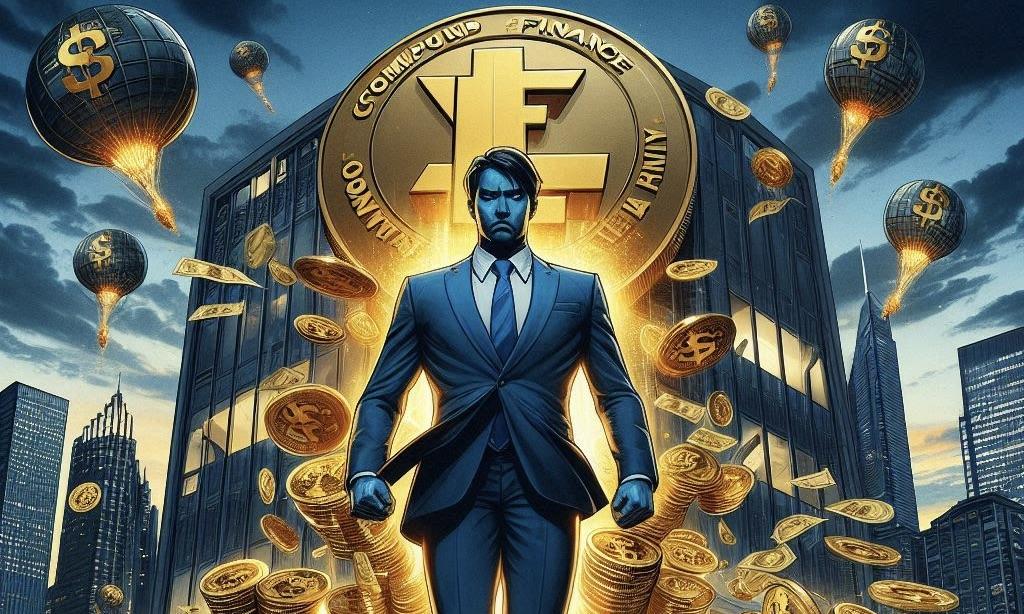
Compound Finance, a decentralized lending and borrowing protocol, is embroiled in a heated governance dispute following the recent passage of Proposal 289. The controversy has sparked allegations of a governance attack by a voting bloc known as the "Golden Boys."
The Catalyst for Controversy
The passage of Proposal 289 on July 28 has ignited claims of centralization efforts within the Compound community. This proposal, pushed by the Golden Boys, has led to significant unrest among community members, with accusations flying on social media and the Compound governance forums.
Governance Disputes Unfold
The turmoil began earlier this year when proposal 247, which aimed to invest 5% of COMP holdings into a GoldCOMP Vault, failed to reach a quorum and was subsequently canceled. The proposal intended to establish a wrapped COMP token managed by the Golden Boys to generate passive income for COMP holders. This wrapped token, GoldCOMP, was to be held in a separate treasury and invested at the discretion of the Golden Boys.
Despite the failure of Proposal 247, the Golden Boys persisted with a revised proposal, number 279, which also failed to pass on July 19. This proposal sought a one-year investment of 92,000 COMP into the GoldCOMP Treasury Fund. Other governance blocs, such as Wintermute Governance, raised concerns about the potential centralization of control over these funds.
Allegations of a Governance Attack
Wintermute Governance and other members of the Compound community expressed serious concerns about the Golden Boys' intentions. Wintermute pointed out that the Golden Boys would have exclusive control over the transferred funds, effectively delegating governance rights to their multi-sig wallet.
Michael Lewellen, representing the OpenZeppelin bloc, voiced his apprehensions, suggesting that the Golden Boys' proposals could be considered a governance attack. He emphasized the risk of a single group exerting undue influence over the protocol, contrary to the broader community's interests.
Passage of Proposal 289
On July 28, proposal 289 from the Golden Boys passed with a narrow margin, securing 682,191 votes in favor and 633,636 against. This proposal significantly increased the COMP requested for the GoldCOMP Treasury Fund from 92,000 to 499,000 COMP, worth approximately $24.1 million at the time of the vote. The implementation of this proposal is slated for July 30.
Future Implications
In response to the passage of Proposal 289, Proposal 290, titled "Precautionary Transfer of Timelock Admin," was introduced. This proposal aims to transfer the Compound Governance Timelock Admin to the CommunityMultiSig, potentially preventing future attempts similar to those of the Golden Boys. However, the impact of this measure may come too late to affect the already approved transfer of 499,000 COMP.
Conclusion
Compound Finance's governance system faces a critical test as the community grapples with allegations of centralization and governance attacks. The passage of Proposal 289 highlights the challenges of decentralized governance and the potential for significant power struggles within the community. As the implementation date approaches, the Compound community will closely watch the developments and their implications for the protocol's future.







