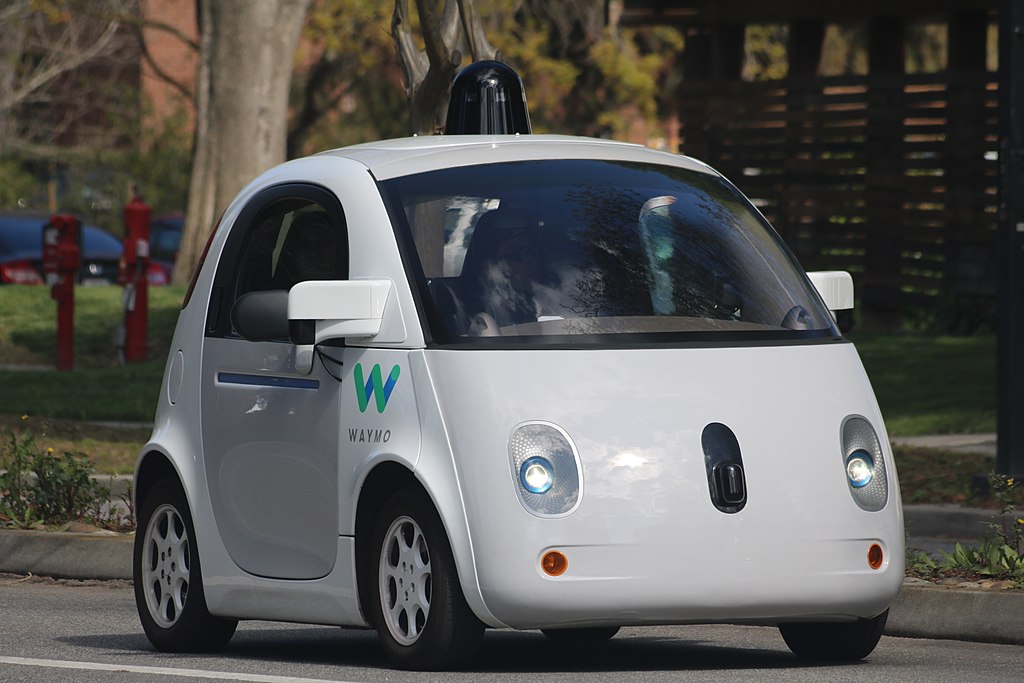
As further proof that the auto industry is heading towards a more autonomous future, the US House of Representatives recently voted unanimously on a bill that would allow car companies to speed up their development of the technology. The bill would also allow these car makers to put hundreds of thousands of driverless vehicles on US roads.
Called the “Safely Ensuring Lives Future Deployment and Research In Vehicle Evolution” (SELF DRIVE) act, the bill is meant to give auto companies some breathing room with regards to the red tape they have had to deal with thus far. Once the Senate approves the bill, it would be the first time that a legislation directly addressing driverless cars is enacted, The Verge reports.
What this bill will essentially do is create a framework for regulating driverless vehicles. This is something that experts in the field have been calling for in order to boost progress in the early phase of the technology.
In addition, it would also allow for more driverless vehicle tests, which means more cars on the road. With this bill, car companies can start putting 25,000 autonomous vehicles on the road per year. After some time, this number will be expanded to 100,000 per year.
Naturally, companies like Google, GM, Ford, and Tesla are praising this new bill. However, some consumer groups are concerned that the legislation does not cover the matter of safety as well as it should have, Reuters reports.
What’s more, this new bill does not exactly address driverless commercial trucks, which is what transport companies are investing heavily in right now. At this point, it’s unclear as to how the federal government will actually handle the matter of removing the driver from the equation during normal commutes. However, car companies are hoping that it would mean relaxed restrictions.