


 Trump Buys Up to $25M in Meta Stock, Invests in SpaceX Debt
  Merz Warns of Extremism After AfD Gains Power in Saxony-Anhalt
  FxWirePro: Daily Commodity Tracker - 21st March, 2022
  Iran Refuses to Halt Uranium Enrichment Amid US Nuclear Demands
  US-Led Coalition Targets Global Factory Overcapacity
  US, Greece Launch New Counterterrorism Security Program
  San Francisco Halts New Data Center Construction With 45-Day Moratorium
  Saudi Airport Attacks Kill Three as Yemen Fighting Escalates
  Italy Approves Electoral Reform Ahead of 2027 Election


 Add as a preferred source on Google
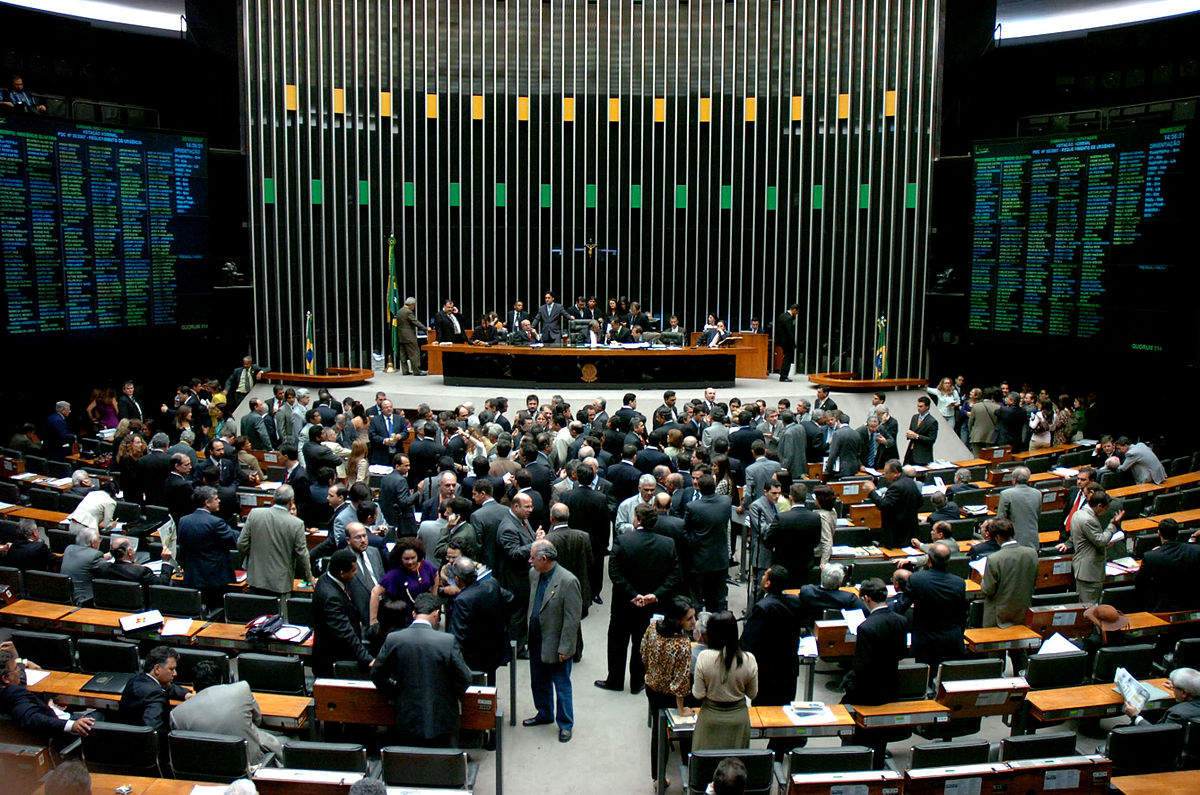
Congress is in recess until February, giving Brazilian assets a temporary break from the political turmoil, as there will be no further progress in President Rousseff's impeachment process, House Speaker Cunha's corruption investigation, or fiscal reform measures. Last week, Congress approved a primary surplus target of 0.5% of GDP, below the level proposed by Finance Minister Joachim Levy, who left his post as a result.
The government appointed former Planning Minister Nelson Barbosa as the new finance minister. Markets might react negatively, as Mr. Barbosa is not seen as fiscally conservative and business friendly as Levy. The heightened uncertainty about the fiscal consolidation and no progress on the political front amid a deepening recession will likely continue to weigh on the BRL. USDBRL is expected to reach 4.0 by year-end and 4.5 in 2016.
In terms of data, the most important release will be the Quarterly inflation report on December 23. It will provide updated forecasts by the central bank and might offer some guidance on the future path of monetary policy. Relatively to the previous report, more deterioration is expected in the inflation forecasts by the BCB, given the upward trajectory of inflation expectations and the incorporation of worse fiscal assumptions.
"We expect no increase in the Selic rate in the months to come, although the market is pricing a very aggressive tightening aimed at containing inflation expectations, regardless of the recession", says Barclays.

- News

- Economy

- Central Banks
- Investing
- Research
- Roundups
- Digital Currency
- Insights
- Technical Analysis
- Technology
- Business
- Law
- Health
- Nature
- Fintech
- Science
- Topic
- Opinions
- ©Econometrics LLC . All Rights Reserved.
Congress in recess while situation keeps deteriorating in Brazil
Sunday, December 20, 2015 11:14 PM UTC
Editor's Picks



- Market Data
Most Popular




