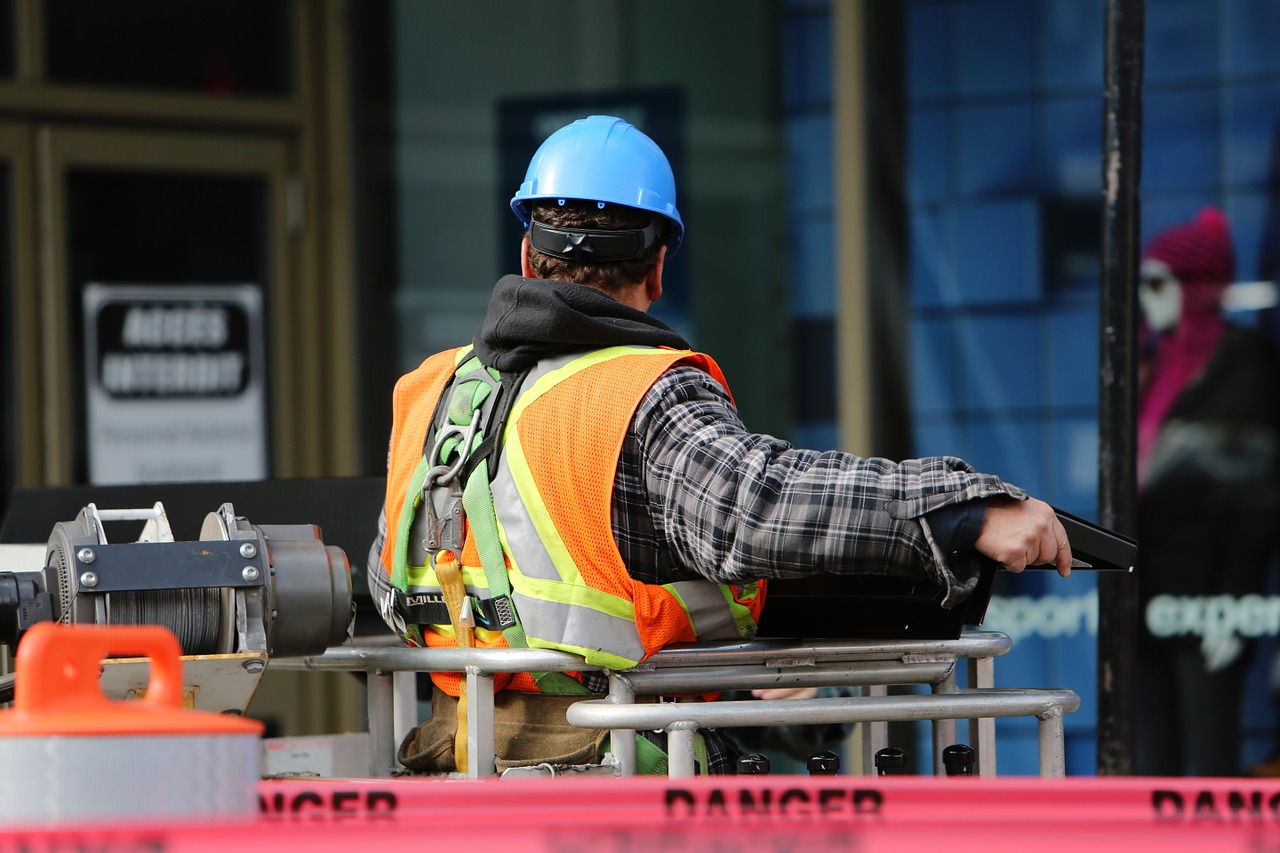
The literacy levels of construction workers are low relative to other industries, and yet prescriptions about how to work safely are often buried inside long and complicated documents.
Our research suggests workers may not even read these documents before they commence work. Also, no matter how complex they are, documents cannot cover all eventualities. There’s a gap between the way work is described in formal health and safety documents and the way it is practised on site.
Visual methods, including video, can overcome some of these difficulties. For a long time videos have been used to communicate health and safety information to workers. But safety training videos are often produced by technical experts or media companies and shown to workers in stand-alone presentations. In such uses, workers are passive audiences to generic video materials.
Construction companies are legally required to consult workers on health and safety issues, but this is often done in a very formal top-down way, rendering it meaningless.
This is a missed opportunity because construction workers possess a wealth of knowledge based on their practical experience, often gained over many years. Research conducted at RMIT University (undertaken in partnership with Melbourne-based firm CodeSafe Solutions) examined the potential for digital and mobile technologies to be used to access, capture and share workers’ health and safety knowledge.
In the research, construction workers were involved in making films about their everyday work practices. Unlike documentary, in which subjects have little or no say in how they are portrayed, participatory video engages people in making films about their everyday experiences.
Construction workers received basic media training before making digital videos about their work practices. The video making enabled workers and managers to understand and reflect on the way work is routinely done and, in doing so, identify constraints and enablers of safe and healthy ways of working. Only when watching the video footage did managers and workers identify problems inherent in standard operating procedures that were either poorly understood or impractical due to physical features of the work environment.
Gaps were identified between the way work was documented and the way that it is routinely practised. Understanding these gaps meant they could be discussed and collaboratively resolved. In several instances work equipment, processes or procedures were redesigned to improve safety. In some instances tasks that had been undertaken the same way for many years were redesigned to make them safer. Both workers and managers described how watching the video footage gave them a different perspective and enabled them to view and understand work in new ways. In one example an access platform erection process was redesigned after workers were seen working adjacent to an unprotected edge.
The collaborative redesigning of a long established work task reveals how workers’ tacit knowledge – which is not easily captured or written down - was made explicit and usable through the participatory video activities.
Once made, the digital videos are disseminated at participating worksites using quick response codes, accessible via smartphones. Some workers share these videos with workers outside their organisations, while others show them to builders and principal contractors to explain why they need to work in certain ways to remain safe.
The workers described video as being a powerful way to share “know how” as opposed to “know what.”
Digital and mobile technologies are now an integral part of everyday life. Using a smartphone to capture and share knowledge, experiences and ideas in video format is not only possible, but now second nature to many. The research shows it can also improve construction workers’ health and safety.

The research was funded by Victorian Department of Business and Innovation through its Business Research and Development Voucher program, and supported by CodeSafe Solutions.
Helen Lingard, Professor, Construction Occupational Health and Safety, RMIT University
This article was originally published on The Conversation. Read the original article.