


 What is Zionism? The different meanings of a contested term
  6 simple questions to tell if a ‘finfluencer’ is more flash than cash
  The American mass exodus to Canada amid Trump 2.0 has yet to materialize
  Stuck in a creativity slump at work? Here are some surprising ways to get your spark back
  The ghost of Robodebt – Federal Court rules billions of dollars in welfare debts must be recalculated
  Want to cut your energy bills? Here’s how five experts are doing it
  Britain has almost 1 million young people not in work or education – here’s what evidence shows can change that
  Why financial hardship is more likely if you’re disabled or sick
  Debate over H-1B visas shines spotlight on US tech worker shortages
  Time to buy local: war fuel price shocks reveal the folly of a long food supply chain
  Disaster or digital spectacle? The dangers of using floods to create social media content
  AI is driving down the price of knowledge – universities have to rethink what they offer
  Yes, government influences wages – but not just in the way you might think
  Office design isn’t keeping up with post-COVID work styles - here’s what workers really want
  Can your cat recognise you by scent? New study shows it’s likely


 Add as a preferred source on Google
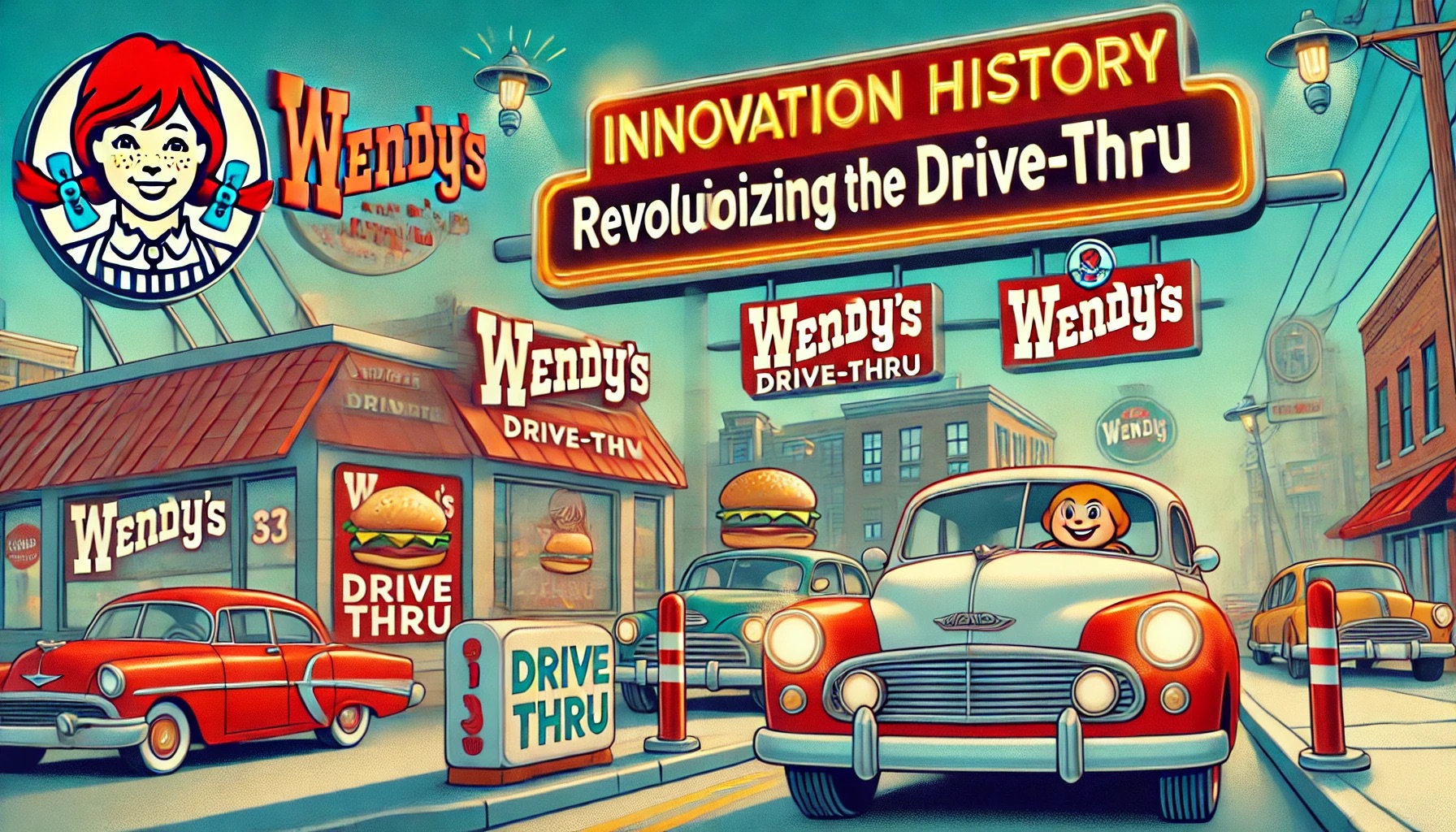
Wendy’s is widely known for its innovative contributions to the fast-food industry, including the introduction of the drive-thru service in 1970. While the idea of drive-thru wasn’t entirely new, Wendy’s efforts helped popularize and modernize the concept, making it a staple of fast-food culture.
Wendy’s Helped Revolutionize Drive-Thru Service in 1970, Building on Early Drive-Up Concepts
Wendy’s has long been associated with innovation in the fast-food industry, from its signature square burger patties to its beloved Frosty treats. In a report by The Takeout, the chain has also played a key role in modernizing how food is served, mainly through its pioneering efforts in the drive-thru experience. In 1970, just a year after the first Wendy’s opened in Columbus, Ohio, founder Dave Thomas introduced the world’s first freestanding Wendy’s with a pick-up window, revolutionizing the concept of drive-thru service.
While the idea of customers picking up food from a window without entering the restaurant wasn’t entirely new, Wendy’s claims to have been the first to make it successful. The concept of drive-up service dates back to the 1920s when Kirby’s Pig Stand in Dallas, Texas, introduced a carhop service to cater to car culture. As demand for Kirby’s food grew beyond the capacity of its parking lot, the restaurant created the first drive-thru to keep customers moving.
Over time, more restaurants adopted this model to expand service beyond limited dining spaces, with Red’s Giant Hamburg in Missouri introducing a drive-up window with speakers in 1947. West Coast chains like In-N-Out and Jack in the Box popularized the trend in the 1950s, though neither McDonald’s nor Burger King introduced drive-thru service until 1975, five years after Wendy’s debut.
Wendy’s Embraces AI with FreshAI Technology to Streamline Drive-Thru Service and Enhance Customer Experience
Fast forward to 2023, and Wendy’s is again at the forefront of drive-thru innovation. The company began testing new drive-thru technology at a Westerville, Ohio, location using Google Cloud’s generative AI, Wendy’s FreshAI, to enhance the ordering experience. Using AI to take orders, human employees can focus on preparing food more quickly or assisting in-store diners with complex requests. The system also recently expanded to include language capabilities, allowing Spanish-speaking customers to order in their native language.
Early reports suggest that Wendy’s FreshAI has increased service times by 22 seconds at a Columbus location—an essential improvement as drive-thru visits have surged since 2020, leading to wait times longer. Reducing these times boosts customer satisfaction and creates more opportunities to sell popular items like Saucy Nuggs.
While Dave Thomas may not have predicted the rise of AI in fast food, he would likely have embraced these technological advancements. In his memoir, Dave’s Way, Thomas reflected on his early successes by anticipating and meeting customer needs, stating, "Rounding out the menu to match the customer made all the difference." This philosophy drives Wendy’s forward, blending tradition with modern technology to enhance the customer experience.







