


 Panama Declares Emergency After 7.7 Earthquake Triggers 200 Aftershocks
  Most Americans Oppose Election Betting on Prediction Markets, Poll Finds
  Brazil Election: Lula and Bolsonaro Rally Ahead of October 25 Runoff
  US Condemns China Sanctions on Taiwan Allies Belize and Paraguay
  Trump Defends Russian Diesel Deal Amid US Sanctions Backlash
  Houthis Warn Saudi Airports After Deadly Riyadh Attack
  Yandex Data Center Hit by Drone Strike as Russia-Ukraine Cyber Infrastructure Attacks Escalate
  US Judge Blocks Trump Administration’s Taxpayer-Funded Political Ads
  North Korea Fires Ballistic Missiles Amid Rising Tensions With South Korea
  Kim Jong Un Showcases ICBM Ahead of Possible Trump Meeting
  European Auto Stocks Rise as EU-China Trade Deal Targets Hybrid Imports
  UK Finance Minister Healey Calls for Fiscal Discipline Amid Global Risks
  Mahmoud Abbas Postpones Palestinian Elections to September 2027
  Elon Musk Donates $366 Million to 2026 US Midterms
  Trump Announces Russia-Ukraine Energy Ceasefire as Zelenskiy Awaits Details
  India Voter List Protests Reach Supreme Court as Opposition Demands Election Chief's Resignation


 Add as a preferred source on Google
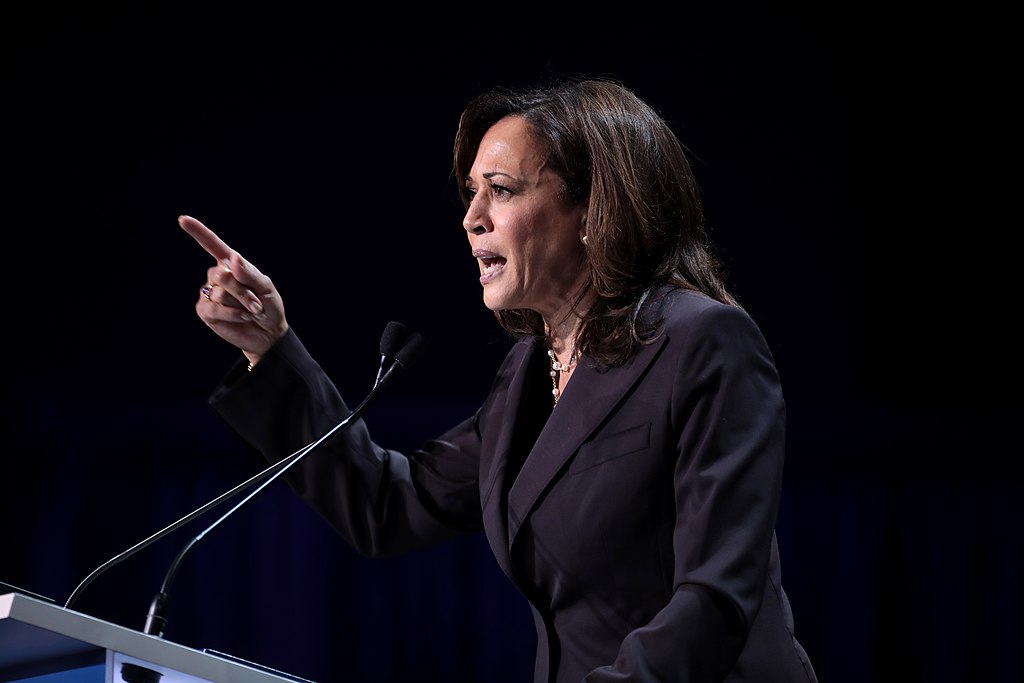
Vice President Kamala Harris has renewed accusations that former President Donald Trump intends to pass a nationwide abortion ban if re-elected. This claim, made during a recent campaign rally, has intensified the ongoing debate over abortion rights in the United States despite Trump’s repeated denials of such intentions.
Harris’s assertion that Trump would support a federal abortion ban has been a consistent theme in her rhetoric, aiming to galvanize pro-choice voters and draw a stark contrast between the Democratic and Republican stances on reproductive rights. She argues that a second Trump presidency would threaten women's autonomy over their bodies and roll back decades of progress in reproductive health.
However, Trump has consistently denied any plans to sign a nationwide abortion ban into law. During his previous tenure, Trump maintained that the issue should be left to individual states to decide. His stance aligns with the Republican Party's broader federalist approach, which advocates for states’ rights over federal mandates.
Despite Trump’s denials, Harris continues to emphasize the potential risks to abortion rights under a Trump administration. She points to the conservative majority in the Supreme Court, solidified during Trump’s presidency, as an indicator of the judicial landscape's potential shift against Roe v. Wade. The landmark 1973 decision, which legalized abortion nationwide, remains a focal point of contention in American politics.
Harris’s warnings resonate deeply with pro-choice advocates who fear that the conservative tilt of the Supreme Court could lead to more restrictive abortion laws or even the overturning of Roe v. Wade. They argue that even without a federal ban, individual states could enact draconian measures severely limiting access to abortion services.
Conversely, Trump’s supporters dismiss Harris’s claims as fearmongering. They argue that her statements are a strategic ploy to distract from other pressing issues and to mobilize the Democratic base through the polarizing topic of abortion. Trump’s backers maintain that his commitment to state-level decision-making on abortion is a moral stance that respects the federal structure of governance.
The debate over abortion rights continues to be a polarizing issue in American politics, with both sides using it to rally their respective bases. Harris’s recent comments are part of a broader strategy to highlight what she perceives as the dangers of a Trump presidency for women's rights. Her assertions aim to keep the issue at the forefront of voters' minds as the 2024 election approaches.
As the political landscape heats up, reproductive rights remain a critical issue for many voters. Harris’s claims, whether perceived as valid concerns or political tactics, underscore the high stakes of the upcoming election. The potential impact on the Supreme Court and federal policies regarding abortion will likely be pivotal factors influencing voter decisions.
Trump’s denials of a nationwide abortion ban, juxtaposed with Harris’s warnings, create a complex narrative for voters to navigate. The discourse surrounding this issue is set to remain contentious, reflecting broader societal divides over reproductive health and rights.
In this charged atmosphere, both Harris and Trump are leveraging the issue to their advantage, illustrating the enduring significance of abortion rights in American political discourse. Voters must sift through the rhetoric to discern the implications of each candidate's position on this deeply personal and highly political issue.







