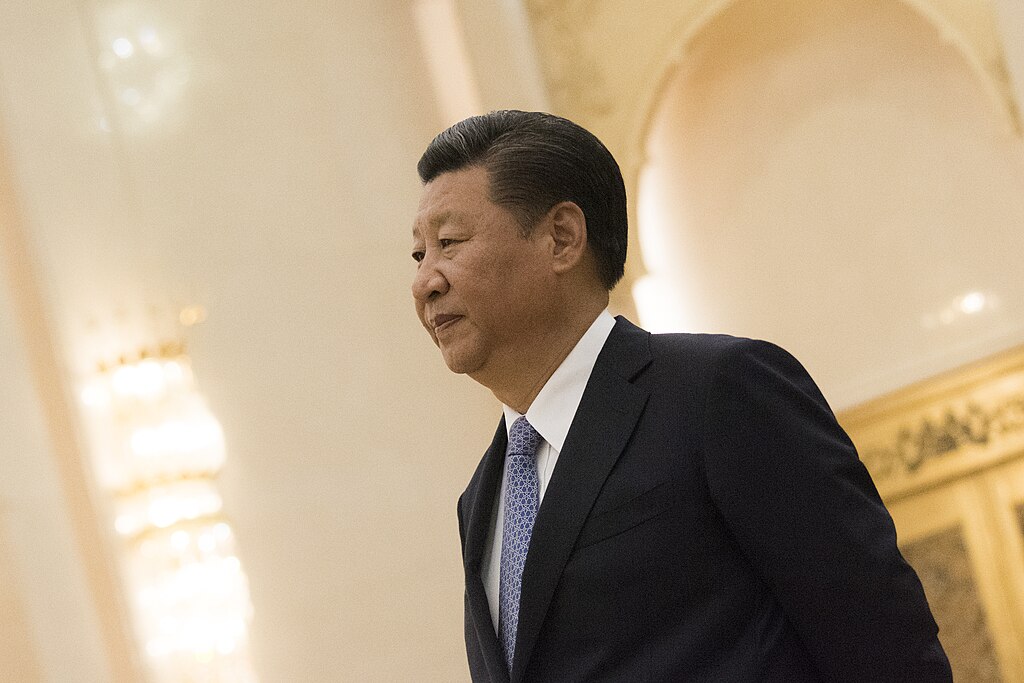
China’s President Xi Jinping has called for "self-reliance and self-strengthening" in artificial intelligence development, underscoring China’s ambition to compete with the United States in the strategic tech sector. Speaking at a Politburo study session on Friday, Xi emphasized using China’s "new whole national system" to accelerate AI innovation, according to state media outlet Xinhua.
"We must recognize the gaps and redouble efforts to advance technological innovation, industrial growth, and AI-powered applications," Xi said. He pledged policy support in areas like government procurement, intellectual property protection, research, and talent development.
China has been closing the AI gap with the U.S., highlighted by Chinese startup DeepSeek’s January launch of an AI reasoning model trained on less advanced chips at lower costs than Western rivals. The breakthrough challenged assumptions that U.S. sanctions would severely hinder China’s AI progress following OpenAI’s ChatGPT success in 2022.
Xi stressed the importance of strengthening basic research and mastering core technologies, including high-end chips and foundational software, to build a fully independent and controllable AI ecosystem. He also called for faster development of AI regulations and the establishment of a risk management system to ensure AI remains safe, reliable, and controllable.
Last year, Xi warned against AI becoming a "game of rich countries and the wealthy," advocating for greater international cooperation and governance. As the global AI race intensifies, China’s strategic focus on innovation and self-sufficiency signals its determination to lead the next wave of technological advancement.