


 North Korea Fires Ballistic Missiles Amid Rising Tensions With South Korea
  Trump Denies Russia and China Are Helping Iran in U.S. Conflict
  US Condemns China Sanctions on Taiwan Allies Belize and Paraguay
  Trump Announces Russia-Ukraine Energy Ceasefire as Zelenskiy Awaits Details
  Elon Musk Donates $366 Million to 2026 US Midterms
  Russian Strikes Kill Six in Ukraine, Including Three in Kharkiv
  Mahmoud Abbas Postpones Palestinian Elections to September 2027
  US Authorities Raid Ilhan Omar’s Home Amid Immigration Fraud Probe
  Trump Defends Russian Diesel Deal Amid US Sanctions Backlash
  Yandex Data Center Hit by Drone Strike as Russia-Ukraine Cyber Infrastructure Attacks Escalate
  Most Americans Oppose Election Betting on Prediction Markets, Poll Finds
  Pakistan Declares Emergency in Khyber Pakhtunkhwa, Suspends Imran Khan’s PTI Government
  Trump Calls for Zelenskyy Replacement Amid Russian Diesel Deal
  Trump Announces Russia-Ukraine Energy Ceasefire Amid U.S. Pressure on Kyiv
  Panama Declares Emergency After 7.7 Earthquake Triggers 200 Aftershocks
  India Voter List Protests Reach Supreme Court as Opposition Demands Election Chief's Resignation


 Add as a preferred source on Google
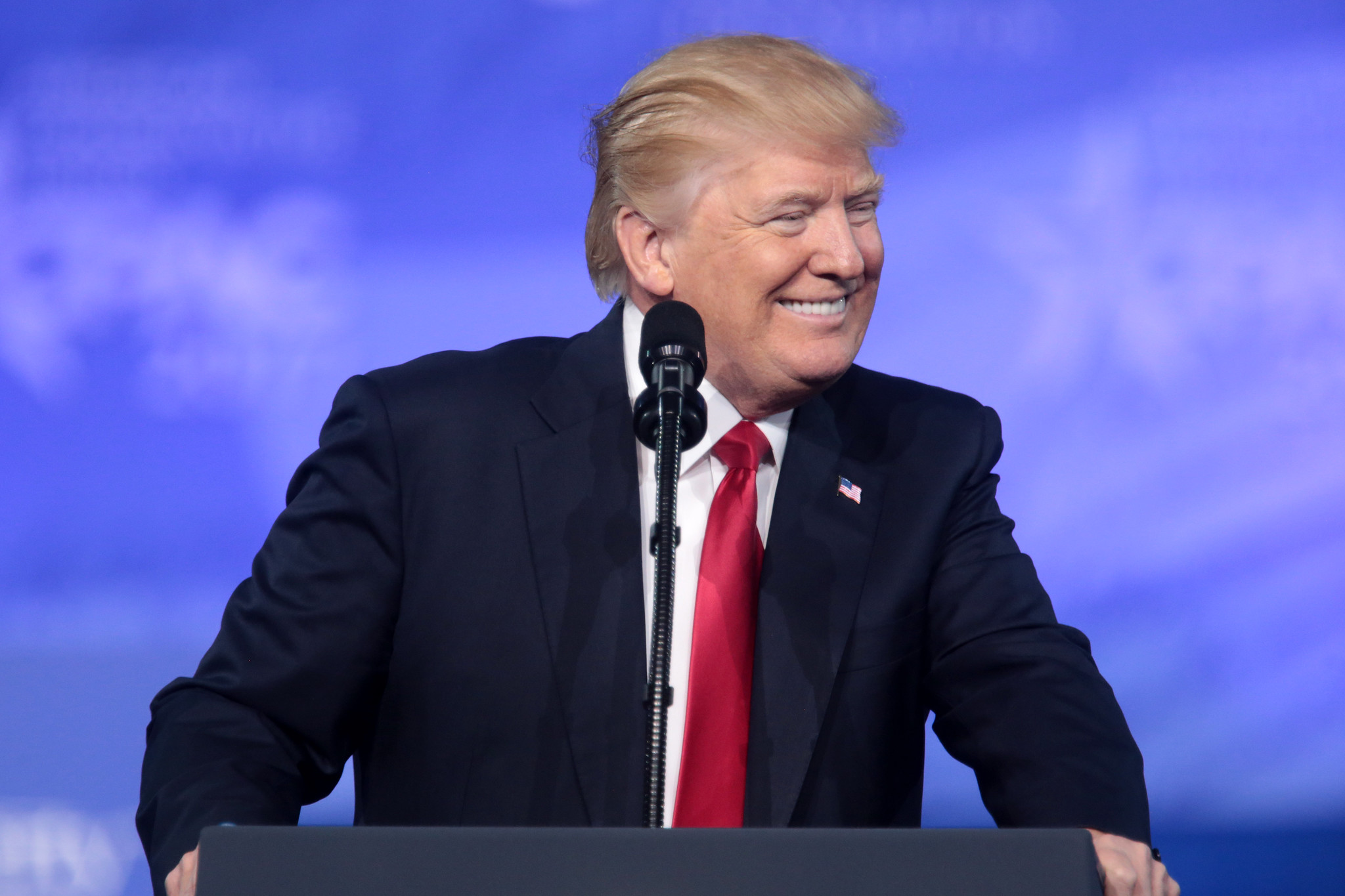
Instagram has removed videos featuring former President Donald Trump, citing its "spam" policy. This action has raised eyebrows and sparked conversations about the implications for political discourse on digital platforms.
The specific incident that triggered this controversy involves a video of Trump speaking at a Jewish fundraiser in Deal, New Jersey, on Sunday. The video, which had garnered significant attention, was taken down by Instagram, leading to accusations of bias and suppression of political speech.
Instagram, a subsidiary of Meta Platforms Inc., defended its decision by pointing to its policies designed to combat spam and misinformation. According to the platform, the video violated guidelines to prevent the spreading of deceptive content. However, critics argue that the removal of Trump's video is a blatant example of political interference, especially with the 2024 presidential election on the horizon.
This incident is not the first time Trump has faced challenges with social media platforms. Following the events of January 6, 2021, several major platforms, including Twitter and Facebook, suspended Trump's accounts, citing risks of incitement to violence. While some restrictions have been lifted, the relationship between Trump and social media companies remains tense.
Removing the video from Instagram has prompted a strong reaction from Trump's supporters and allies. They contend that such actions undermine free speech and unfairly target conservative voices. The debate underscores the broader issue of how social media platforms regulate content and the potential impact on political campaigns.
Legal experts and political analysts are weighing in on the ramifications of Instagram's actions. Some suggest that the platform's policies, while intended to maintain the integrity of information, may inadvertently stifle legitimate political discourse. Others argue that social media companies are responsible for preventing the spread of harmful or misleading content, even if it involves high-profile figures.
The timing of the video's removal is particularly sensitive, as Trump remains a prominent figure in the Republican Party and a potential candidate for the 2024 presidential election. The fundraiser in Deal, New Jersey, where Trump delivered the speech, was part of his ongoing efforts to galvanize support and maintain his influence within the party.
As social media becomes an increasingly crucial battleground for political messaging, the actions of platforms like Instagram will continue to be scrutinized. The balance between preventing misinformation and ensuring free expression is delicate, with significant implications for democracy and public discourse.
In response to the video's removal, Trump's team has criticized Instagram for what they perceive as an attempt to silence the former president. They argue that social media platforms should be neutral arbiters and not engage in selective policy enforcement. Many of Trump's supporters share this perspective and see the removal as part of a broader pattern of bias against conservative voices.
The controversy over Instagram's removal of Trump's video highlights the ongoing challenges in regulating content on social media. As the debate over free speech and misinformation continues, platforms like Instagram's actions will play a critical role in shaping the landscape of political communication in the digital age.
The incident reminds us of the powerful role social media companies play in modern politics. As the 2024 election approaches, scrutiny of these platforms and their policies is likely to intensify, raising important questions about the future of free speech and democratic engagement in the digital era.







