


 Trump Hopes Iran War Nears End as Yemen Fighting Escalates
  Venezuela Nears Deal to Move $4 Billion in Gold to New York Fed
  US Judge Dismisses Imran Ahmed Deportation Lawsuit
  Synthetic data could ease people’s concerns about privacy breaches. But who gets to create it?
  Pentagon Restarts Testosterone Testing for US Troops
  FDA Names Permanent Drug and Biologics Center Chiefs
  ICE Agent Arrested in Minneapolis Over Venezuelan Man Shooting
  Brazil Warns EU of Retaliation Over Animal Products Ban
  FCC Approves Foreign Investment in $110B Paramount-Warner Bros. Deal
  Trump Says US Army Base in Poland Talks Make Progress
  Najib Razak Granted House Arrest Until 2028
  U.S. Issues Cuba Health Alert as Illnesses Rise
  France Urges Faster AI Push Despite Safety Risks
  Trump Bans CNN, MS NOW and Politico From White House
  Iran Economic Crisis Forces Afghan Families to Return Home
  Russian Attack on Balakliia Kills Two, Injures Two
  Who should own the knowledge that underpins AI technology?


 Add as a preferred source on Google
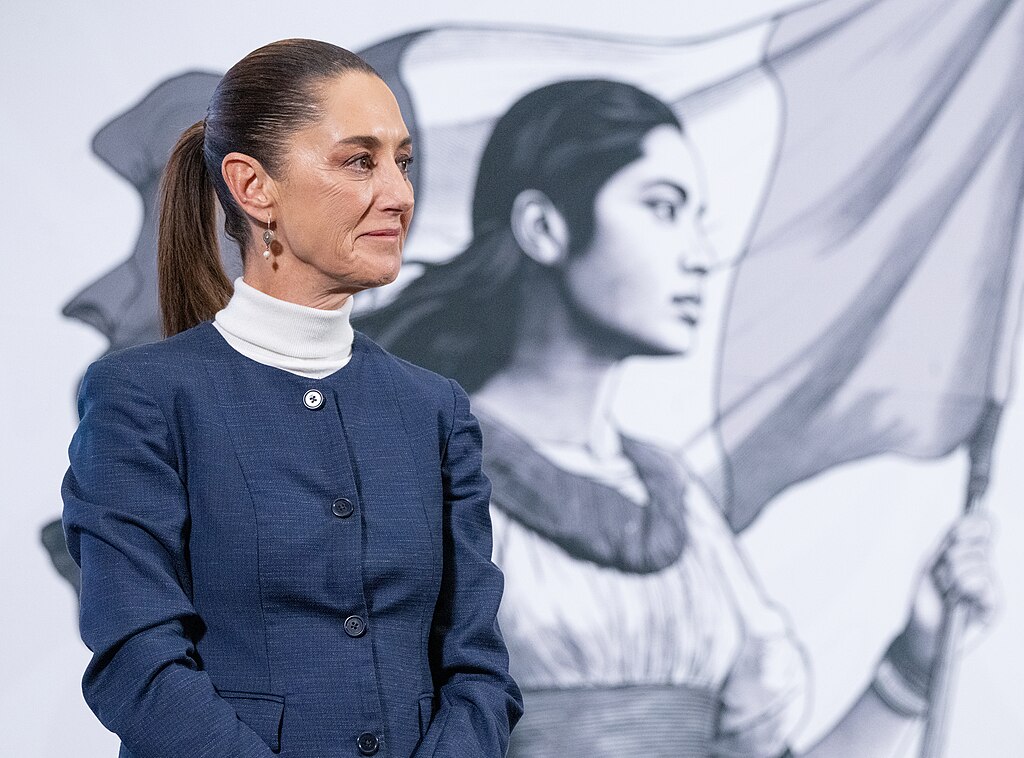
Mexican President Claudia Sheinbaum urged changes on Friday to a controversial telecommunications bill, following backlash over potential threats to free speech and government overreach. The bill, swiftly advanced through Senate committees just a day after Sheinbaum proposed it, emerged after controversy over a U.S. government ad discouraging migration aired locally.
Sheinbaum defended the bill, saying it aims to block foreign governments from broadcasting political propaganda in Mexico. However, critics argue it would hand telecom control to a new state-run agency, replacing the previous independent regulator abolished by Sheinbaum’s congressional allies last year.
At a press conference, Sheinbaum acknowledged concerns over Article 109 of the bill, suggesting it should be removed or reworded to prevent misinterpretations of censorship. "If there’s confusion, the government must make it clear that it will not censor anyone, especially on digital platforms," she said.
The U.N. High Commissioner for Human Rights in Mexico issued a statement urging lawmakers to ensure public consultation and respect international standards on freedom of expression, privacy, digital rights, and Indigenous rights. Originally slated for Senate approval next week, Sheinbaum called for extending debate to address concerns thoroughly.
Despite Morena and its allies holding a commanding majority that has pushed through major reforms since Sheinbaum took office in October, critics warn that issues with the bill extend beyond Article 109. Opposition senator Ricardo Anaya accused the ruling party of seeking "total control of the internet, social media, radio, and TV," calling the bill part of a broader plan for censorship.







