The U.S. dollar weakened sharply against the Japanese yen on Friday after the New York Federal Reserve conducted rate checks on the dollar/yen currency pair, according to a source familiar with the matter cited by Reuters. The move has fueled market speculation that U.S. and Japanese authorities may be preparing coordinated action to curb the dollar’s recent strength, as the yen has hovered near levels that historically trigger intervention concerns.
Around midday on Friday, the dollar was trading near 157.50 yen before tumbling to a four-week low of 155.66 later in the session. By the afternoon, the greenback was down roughly 1.6% at around 155.85 yen. Analysts said the sudden decline suggested that the rate checks may have unsettled markets and prompted traders to reduce long dollar positions amid fears of official intervention.
Rate checks are a well-known signaling tool used by monetary authorities. In such operations, officials ask market dealers what exchange rate they would receive if they entered the market. While no actual buying or selling occurs during a rate check, the practice often signals a readiness to intervene, which can influence market behavior almost immediately.
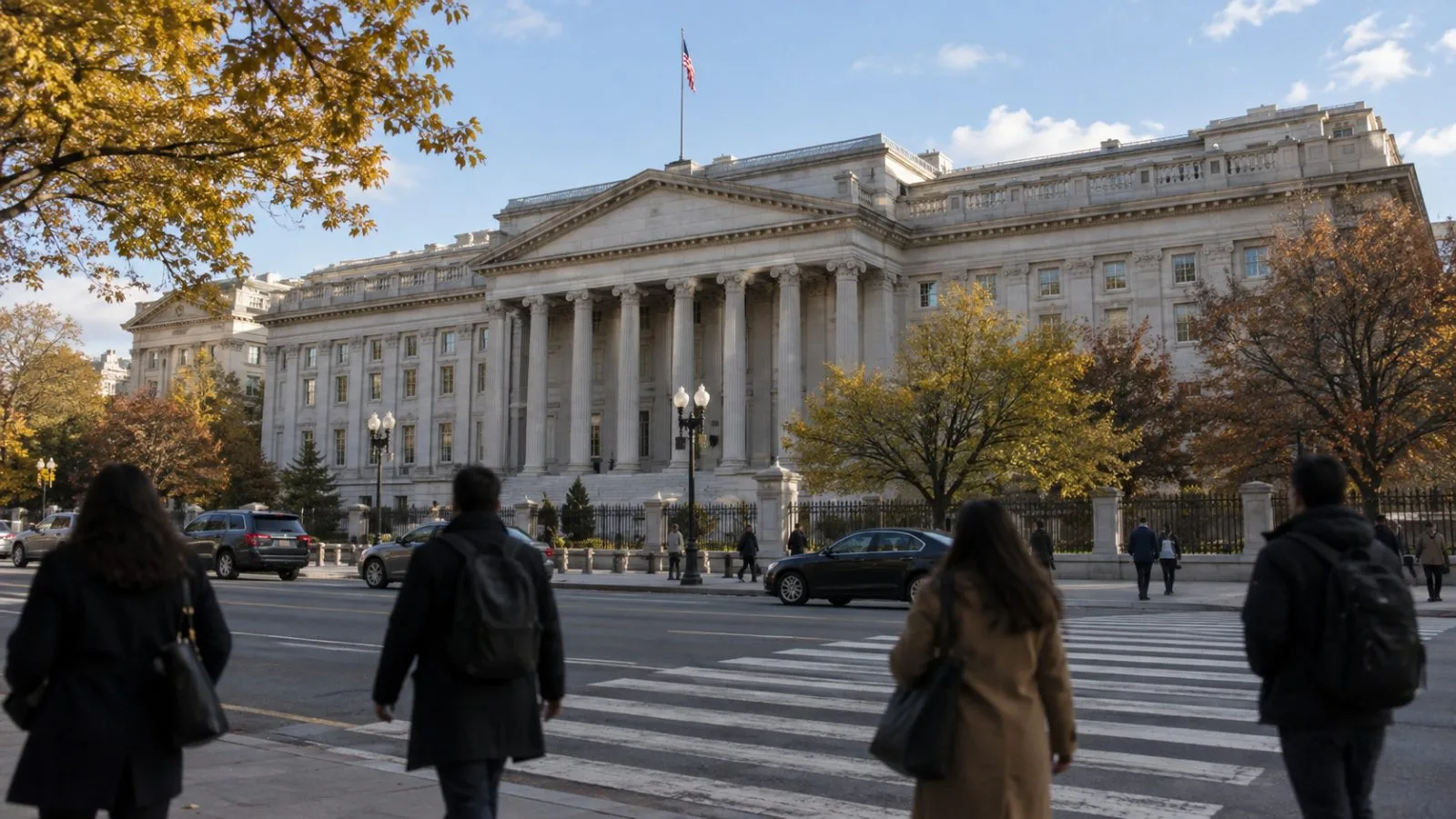
The New York Fed carried out the checks in its role as fiscal agent for the U.S. Treasury. The Treasury itself declined to comment on the matter, adding to the uncertainty surrounding official intentions. Meanwhile, traders have remained cautious as the yen has approached the psychologically important 160-per-dollar level, a zone widely seen as uncomfortable for Japanese policymakers.
Market participants will look for further clues in data set to be released by the Bank of Japan on Monday, which may help determine whether actual intervention occurred. Analysts noted that while U.S. involvement in what is typically a Japanese-led currency issue is unusual, it is not without precedent. The episode underscores growing global concern over excessive currency volatility and the potential for coordinated policy responses.