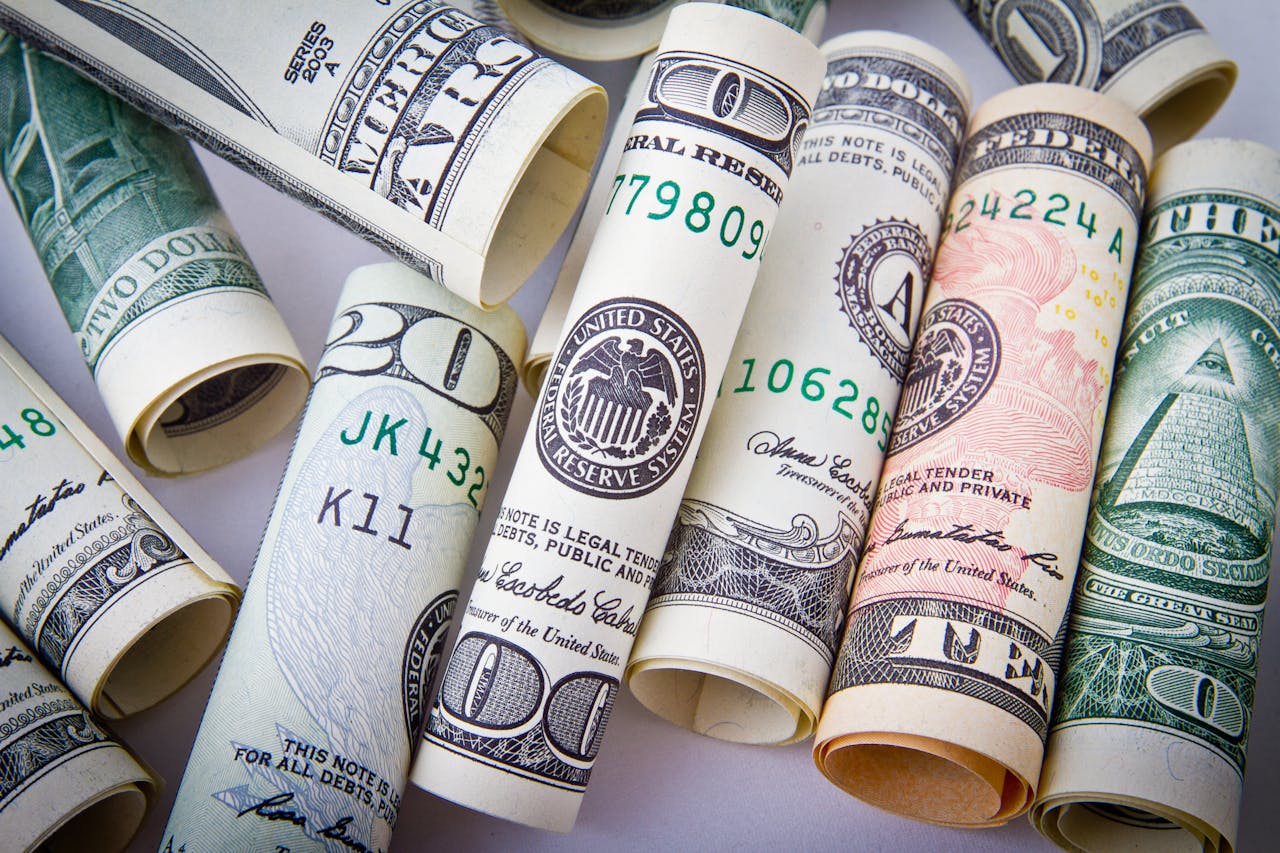
The U.S. dollar climbed to its strongest level since May last year on Monday, buoyed by growing geopolitical uncertainty in the Middle East. The U.S. Dollar Index, which measures the greenback against six major currencies, gained 0.4% to reach 100.51 — putting it on track for its largest monthly advance since July 2025.
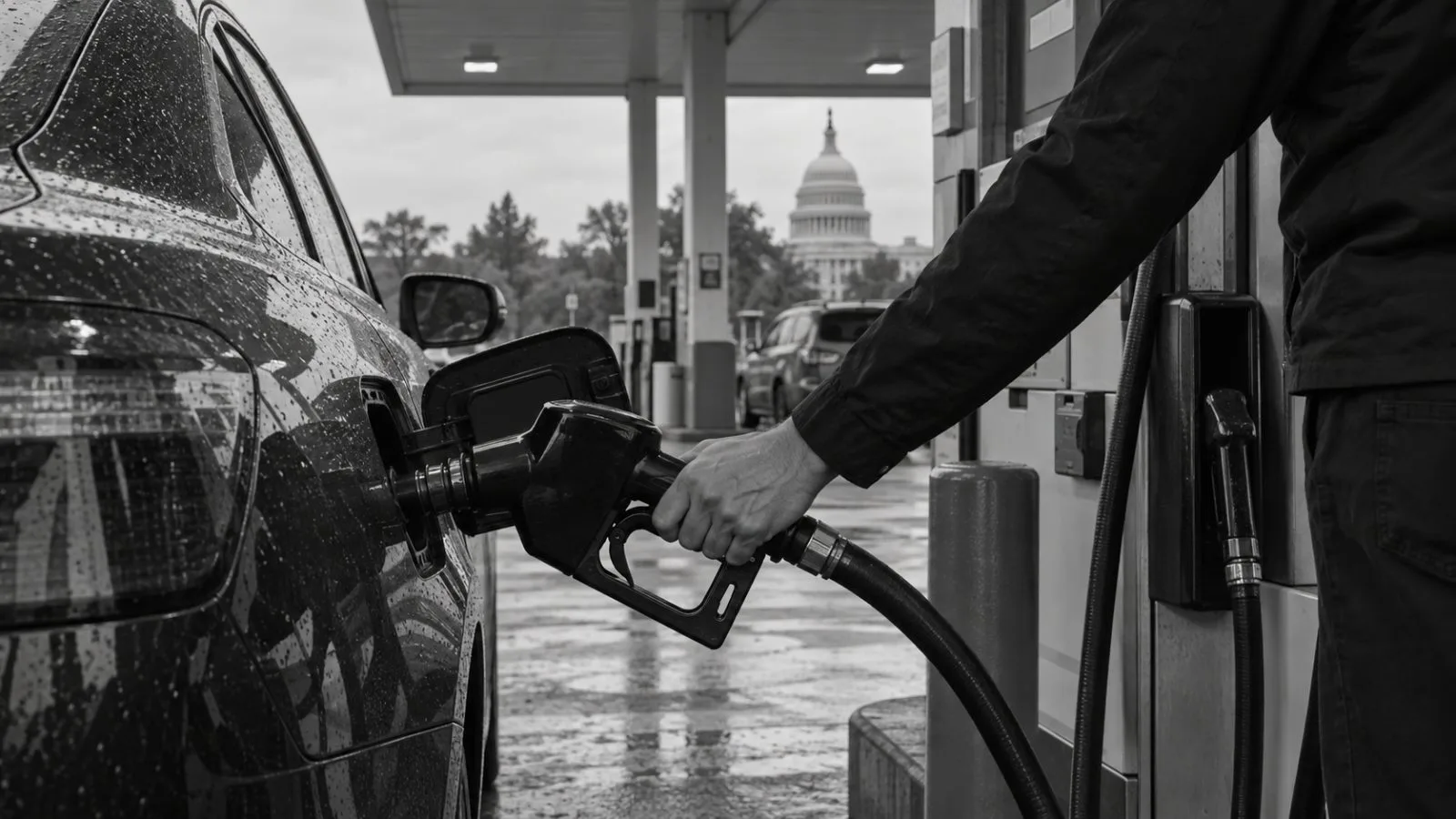
Investor appetite for safe-haven assets intensified after Yemen's Houthi group launched fresh attacks on Israel over the weekend, raising fears of broader oil supply disruptions in the Red Sea region. Iran's continued closure of the Strait of Hormuz — a critical chokepoint responsible for roughly one-fifth of global oil and gas flows — has added further pressure to energy markets worldwide.
President Trump escalated his rhetoric, threatening to destroy Iranian energy infrastructure, including Kharg Island and oil production facilities, if a diplomatic agreement is not reached soon. Despite the tough talk, the White House confirmed that negotiations with Tehran were continuing and making progress. Analysts at ING noted that without clear conciliatory signals from Iran, the dollar's recent gains were unlikely to reverse in the near term.
Federal Reserve Chair Jerome Powell also drew attention, stating that long-term inflation expectations remain well-anchored even as oil prices surge. Powell signaled a patient, wait-and-see approach to monetary policy, though markets are no longer pricing in any rate cuts for the year — a development that typically supports a stronger dollar.
Elsewhere in currency markets, the euro and British pound held relatively steady. The Japanese yen remained under pressure near the 160 level, prompting warnings of potential intervention from Japanese officials. The Australian dollar edged lower after the government announced a temporary fuel tax cut to ease the domestic impact of rising oil costs.