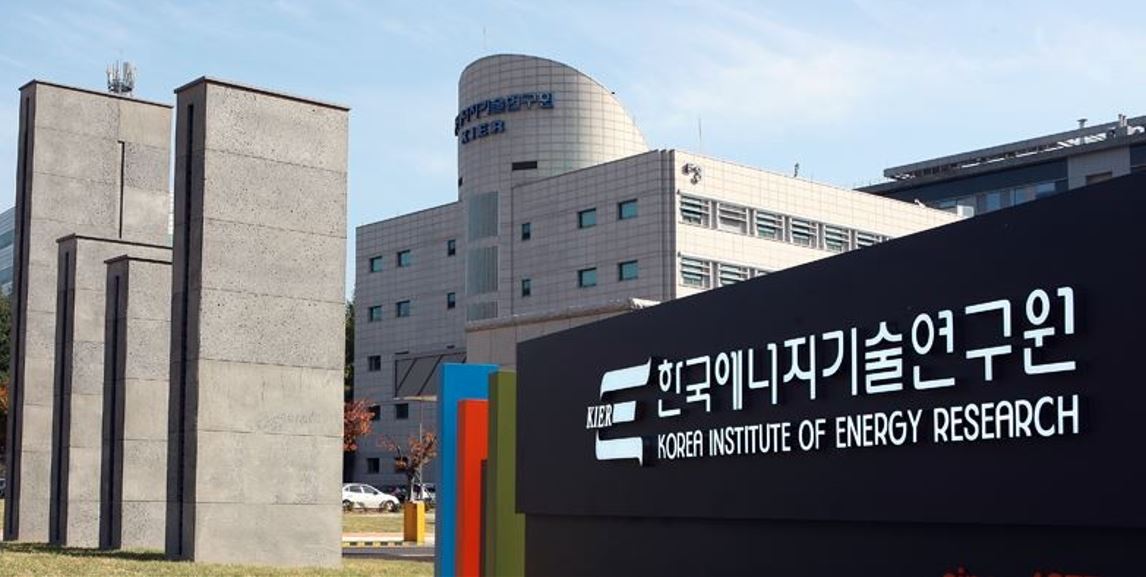
The Korea Institute of Energy Research (KIER) will invest 11.4 billion won in developing a solvent-free process that does not emit carbon dioxide in electrode manufacturing for lithium-ion batteries.
The process eliminates the 42 kilograms of carbon dioxide emitted by an electric car battery per kilowatt-hour to dry the solvent during the wet electrode manufacturing process.
KIER would be collaborating with three research institutions, two companies, and two universities over the next five years in developing devices and equipment based on the concept of dry processing.
The resulting lithium-ion battery has a 1.6 times higher energy density than existing batteries.
It’s also impossible to extend the thickness of electrode coatings up to a certain level element during the wet manufacturing process, thereby limiting energy density.
Cogent Biosciences Soars 120% on Breakthrough Phase 3 Results for Bezuclastinib in GIST Treatment
NASA Cuts Boeing Starliner Missions as SpaceX Pulls Ahead
European Oil & Gas Stocks Face 2026 With Cautious Outlook Amid Valuation Pressure
Gold Prices Steady as Markets Await Key U.S. Data and Expected Fed Rate Cut
FDA Lifts REMS Requirement for CAR-T Cell Cancer Therapies
Europe Confronts Rising Competitive Pressure as China Accelerates Export-Led Growth
BOJ Faces Pressure for Clarity, but Neutral Rate Estimates Likely to Stay Vague
CDC Vaccine Review Sparks Controversy Over Thimerosal Study Citation
Dollar Holds Steady as Markets Shift Focus to 2026 Rate Cut Expectations
Lab-grown meat: you may find it icky, but it could drive forward medical research
Spain’s Industrial Output Records Steady Growth in October Amid Revised September Figures
SpaceX Starship Test Flight Reaches New Heights but Ends in Setback
Is space worth the cost? Accounting experts say its value can’t be found in spreadsheets
Dollar Slides to Five-Week Low as Asian Stocks Struggle and Markets Bet on Fed Rate Cut
Germany’s Economic Recovery Slows as Trade Tensions and Rising Costs Weigh on Growth 


