


 Trump Announces Russia-Ukraine Energy Ceasefire Amid U.S. Pressure on Kyiv
  Yandex Data Center Hit by Drone Strike as Russia-Ukraine Cyber Infrastructure Attacks Escalate
  Trump Sanctions International Criminal Court, Sparking EU Backlash
  Ripple Chairman Chris Larsen Donates $22.5 Million Ahead of US Midterms
  Trump Announces Russia-Ukraine Energy Ceasefire as Zelenskiy Awaits Details
  Flydubai Co-Pilot Planned Suicide Attack on Israel Airport, UAE Says
  Mahmoud Abbas Postpones Palestinian Elections to September 2027
  Djibouti Migrant Boat Capsizes, Killing 139 and Leaving 84 Missing
  Venezuela’s Machado Calls for Elections by July 2027
  Pakistan Declares Emergency in Khyber Pakhtunkhwa, Suspends Imran Khan’s PTI Government
  US, EU Push for Action Against Asia’s Excess Factory Capacity
  RFK Jr. Launches Nationwide Vaccine Safety Review
  US Judge Blocks Trump Administration’s Taxpayer-Funded Political Ads
  Zelenskiy Slams US-Russia Diesel Deal as Funding War
  UK Finance Minister Healey Calls for Fiscal Discipline Amid Global Risks
  Trump Calls for Zelenskyy Replacement Amid Russian Diesel Deal


 Add as a preferred source on Google
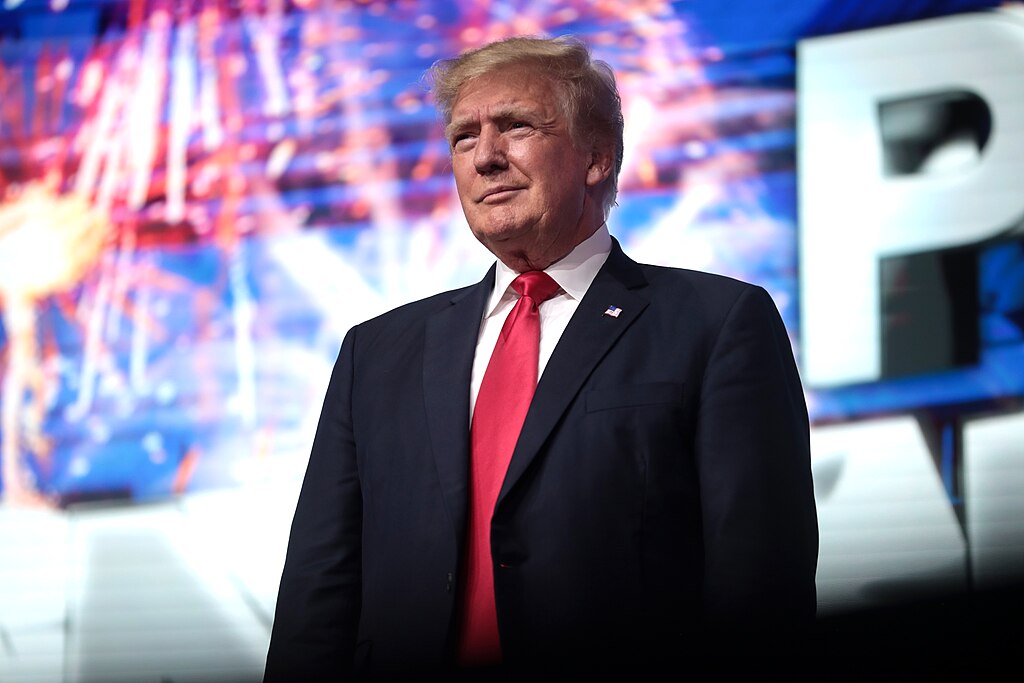
As Donald Trump continues his push toward a potential 2024 presidential campaign, his latest rallying cry focuses on a hardline approach to national security and immigration. Trump has pledged to deport foreign jihad sympathizers, ban refugee resettlement from "terror-infested" regions such as the Gaza Strip, and reinstate his controversial travel ban targeting countries with ties to terrorism. The statements, made during a recent campaign stop, mark a return to the strict immigration policies that defined much of his first term in office.
Trump’s call to action centers on what he frames as a renewed threat from international terrorism, with specific attention given to supporters of Hamas and other jihadist organizations. By promising to deport foreign nationals who sympathize with jihadist causes and ban refugees from areas he deems as "terror-infested," Trump is seeking to draw a stark contrast between his approach and the policies of the Biden administration. His plan also includes the reinstatement of the travel ban, a policy he first enacted in 2017, which restricted entry to the U.S. from several predominantly Muslim countries.
This rhetoric comes amid heightened global tensions, particularly regarding the Israeli-Palestinian conflict and recent outbreaks of violence in the Gaza Strip. Trump’s proposal to ban refugee resettlement from regions like Gaza echoes his earlier attempts to limit immigration from countries tied to terrorism. His supporters argue that these measures are necessary to protect American citizens from potential terror attacks, while critics see them as discriminatory and ineffective.
The potential reinstatement of the travel ban, a highly controversial policy during Trump’s presidency, has already sparked significant debate. The original executive order, signed in 2017, faced numerous legal challenges and was criticized as a "Muslim ban" by opponents. However, Trump maintained that it was essential for national security, arguing that countries with high levels of terrorism posed an unacceptable risk to the U.S.
If re-elected, Trump’s pledge to bring back the travel ban and enforce strict deportation policies is expected to face fierce opposition from civil rights groups, immigration advocates, and international organizations. Legal challenges are likely to arise, as was the case during his first term when courts repeatedly struck down or modified his immigration executive orders.
For Trump’s core base, this aggressive stance on immigration and national security remains a key selling point, particularly as concerns over global terrorism persist. His supporters view these proposals as a necessary step to safeguard the nation, emphasizing their desire for strong borders and reduced refugee resettlement from conflict zones. On the other hand, Democrats and progressive activists argue that such policies will further isolate the U.S. on the global stage and deepen divisions within the country.
Trump’s promises to clamp down on what he describes as threats from jihad sympathizers and refugees are sure to remain a central theme in his 2024 campaign. As the political landscape continues to shift, his tough-on-terrorism rhetoric is likely to ignite further debate over the balance between security and human rights.
EconoTimes cannot independently verify the claims made by Donald Trump regarding the proposed deportation of jihad sympathizers or the implementation of refugee bans. These statements are part of his political campaign, and further analysis is required to assess their potential impact.







