


 Elon Musk Donates $366 Million to 2026 US Midterms
  Jordan Bardella Antisemitism Allegations Threaten Le Pen’s Campaign
  US Judge Blocks Trump Administration’s Taxpayer-Funded Political Ads
  Russian Strikes Kill Six in Ukraine, Including Three in Kharkiv
  Mahmoud Abbas Postpones Palestinian Elections to September 2027
  Trump Plans White House Shake-Up of Key AI Safety Agency
  UK Finance Minister Healey Calls for Fiscal Discipline Amid Global Risks
  Trump Denies Russia and China Are Helping Iran in U.S. Conflict
  Houthis Warn Saudi Airports After Deadly Riyadh Attack
  Greenland Lawmakers Back Trump Security Deal Despite Economic Concerns
  US Authorities Raid Ilhan Omar’s Home Amid Immigration Fraud Probe
  Zelenskiy Offers Russia Energy Truce Amid Trump Pressure
  Pakistan Declares Emergency in Khyber Pakhtunkhwa, Suspends Imran Khan’s PTI Government
  North Korea Fires Ballistic Missiles as Tensions With South Korea Escalate
  Trump Calls for Zelenskyy Replacement Amid Russian Diesel Deal
  Trump Announces Russia-Ukraine Energy Ceasefire as Zelenskiy Awaits Details
  Trump Defends Russian Diesel Deal Amid US Sanctions Backlash


 Add as a preferred source on Google
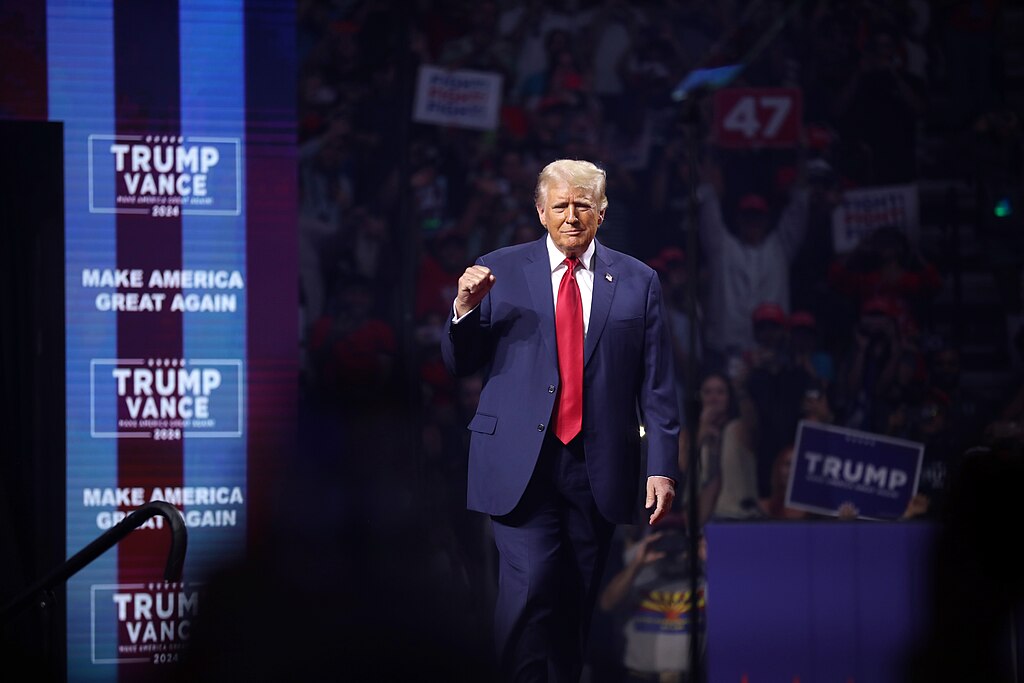
Donald Trump is gearing up to make a splash with a new economic proposal that he claims will put the United States back at the top of the global manufacturing industry. At a recent rally, the former president announced plans to propose a “Made in America” corporate tax rate of just 15% for U.S.-based manufacturers. Trump’s bold plan is aimed at revitalizing American industry by incentivizing companies to bring production back home and create jobs domestically.
Speaking to a crowd of supporters, Trump declared, “We’re going to make America the manufacturing giant again!” He emphasized that this proposed tax cut would lower the corporate tax rate for U.S. manufacturers from its current level to 15%, which he believes would be a game-changer for the industry. “This 15% rate will keep jobs here, bring new factories here, and make America the global leader in production once more,” Trump added.
The plan has already sparked heated debate. Supporters argue that reducing the corporate tax burden will make the U.S. more competitive on the global stage, particularly against countries like China and Mexico, where production costs are lower. They believe that Trump’s proposal could encourage American companies to relocate their operations from overseas, creating thousands of new jobs and boosting the economy.
However, critics are less enthusiastic about the plan. Many argue that such a significant reduction in corporate tax revenue could lead to budget shortfalls and negatively impact funding for essential services and infrastructure. Skeptics also question whether the tax cut would truly incentivize companies to shift production back to the U.S., given the additional challenges they face in the American market, such as higher labor costs and regulatory requirements.
One of the most controversial aspects of Trump’s proposal is its potential impact on the federal budget. Economists warn that cutting the corporate tax rate to 15% could result in a substantial decrease in government revenue, which may lead to increased deficits unless other taxes are raised or spending is cut. “While the proposal sounds good on the surface, there are serious fiscal consequences to consider,” said one financial analyst.
Despite the controversy, Trump’s plan has been well-received by his base, many of whom feel that American manufacturing has been neglected for too long. Supporters view the 15% tax rate as a way to return to the days when the U.S. was a global manufacturing powerhouse. “This is exactly what we need,” said one rally attendee. “For too long, we’ve been sending jobs overseas. It’s time to bring them back.”
As Trump prepares to officially unveil his “Made in America” tax proposal, the debate surrounding its potential impact is only heating up. Will the 15% tax rate truly revive American manufacturing, or is it a populist promise that could create more financial problems than solutions?
One thing is certain: Trump’s latest proposal has reignited the discussion on how to strengthen U.S. industry, and his supporters are rallying behind the plan, eager to see if it will bring back the manufacturing dominance that once defined America.







