


 Elon Musk Donates $366 Million to 2026 US Midterms
  Zelenskiy Says Ukraine Received No Warning Before Russian Missile Attack
  China Resumes US Soybean Purchases After Trump-Xi Summit
  US Supreme Court Denies Release of Anti-ICE Activist Kyle Wagner
  North Korea Fires Ballistic Missiles Amid Rising Tensions With South Korea
  Trump Announces Massive Oil and Mineral Exploration Plans in Greenland
  China Warns Taiwan Over South China Sea Coast Guard Incident
  US Senate Midterms 2026: Key Races That Could Flip Control
  Most Americans Oppose Election Betting on Prediction Markets, Poll Finds
  Trump Plans White House Shake-Up of Key AI Safety Agency
  US Recalls Nicaragua Envoy After Ambassador Rejection
  Jordan Bardella Antisemitism Allegations Threaten Le Pen’s Campaign
  Trump Defends Russian Diesel Deal Amid US Sanctions Backlash
  Kim Jong Un Showcases ICBM Ahead of Possible Trump Meeting
  US Justice Department Drops Prosecution of Ex-CIA Analyst Sue Mi Terry
  MI5 Warns of Rising Iran, Russia Threats and AI Bioweapon Risks
  Greenland Lawmakers Back Trump Security Deal Despite Economic Concerns


 Add as a preferred source on Google
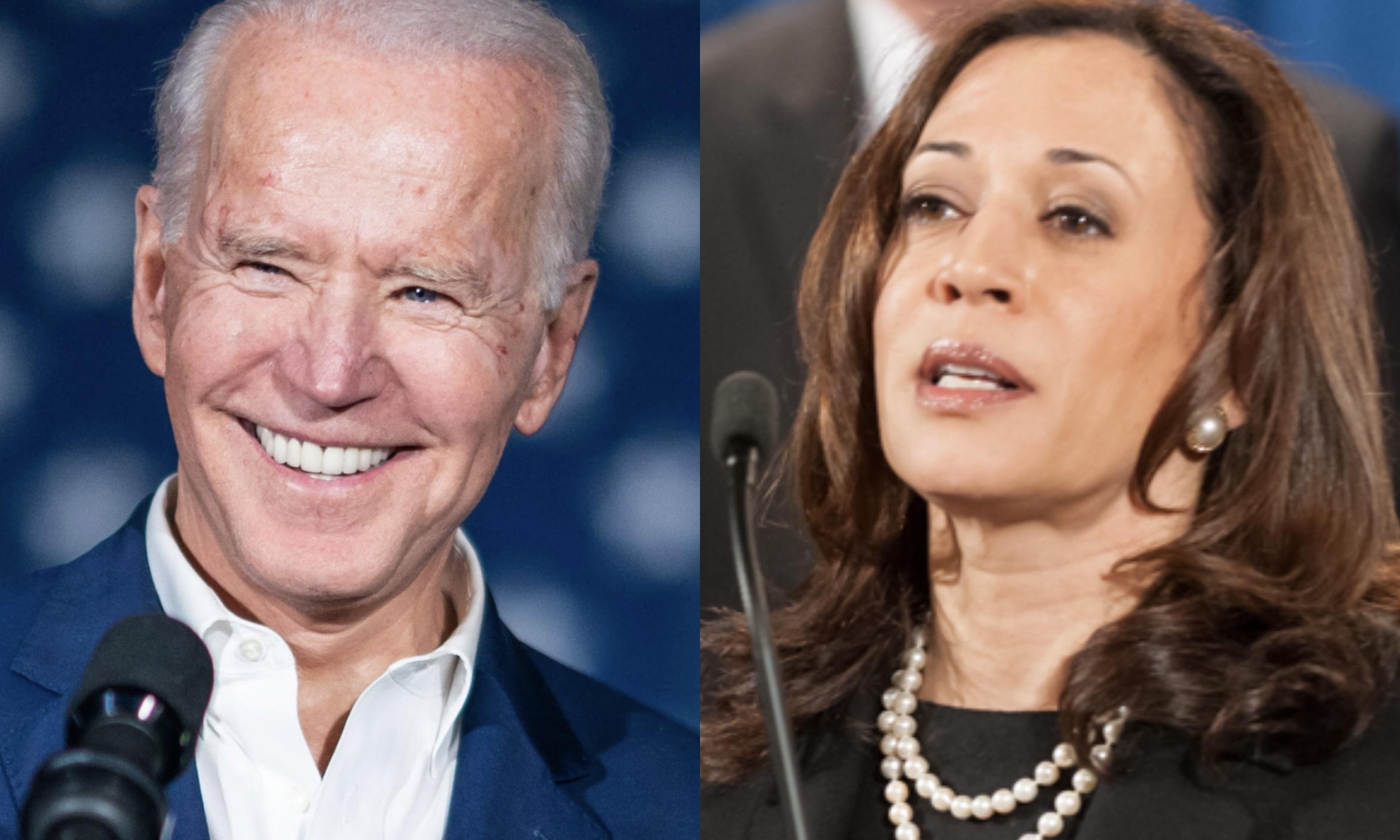
The Biden-Harris administration is facing intense scrutiny following the release of a Congressional report that revealed nearly a billion dollars were spent on promoting COVID-era messaging—much of which was later found to be misleading or untrue. The explosive report has ignited a firestorm of controversy, with critics accusing the administration of wasting taxpayer money while spreading inaccurate information.
According to the report, the administration allocated close to $1 billion for public relations campaigns, advertisements, and other forms of communication during the COVID-19 pandemic. The messaging aimed to promote vaccines, health protocols, and government policies related to the pandemic. However, the Congressional findings indicate that a significant portion of these efforts was based on information that was later debunked or proven to be misleading.
"This is a shocking misuse of taxpayer dollars," one Congressional leader stated. "The Biden-Harris administration spent nearly $1 billion to push messaging that turned out to be false or misleading. It’s an outrage, and the American people deserve answers."
The report detailed how government-funded campaigns promoted information that has since been discredited, including exaggerated claims about the effectiveness of certain health measures and the long-term safety of vaccines. Critics argue that these inaccuracies not only wasted public funds but also contributed to confusion and mistrust among the American public during an already chaotic time.
"People were scared and vulnerable, and the administration spent nearly a billion dollars feeding them misleading information," one political analyst remarked. "This isn’t just about the money—it’s about the erosion of trust in public health institutions."
The revelation has sparked heated debate on social media, with many expressing anger over the misuse of funds. "They could have spent that money on real solutions, but instead, they wasted it on propaganda!" one user posted on X (formerly Twitter). Another wrote, "We were told to trust the science, but now it turns out a lot of that messaging was false."
Defenders of the administration argue that the messaging was created in real-time under unprecedented circumstances and based on the best available information at the time. "The Biden-Harris administration acted swiftly to protect public health during a global pandemic," one supporter stated. "While some information evolved, the intention was always to safeguard the American people."
However, the Congressional report highlights several instances where the administration allegedly doubled down on certain claims even after evidence emerged that contradicted the messaging. The report suggests that public relations firms were hired to promote these narratives aggressively, raising questions about the transparency and accountability of the campaign.
The Biden-Harris administration has yet to officially respond to the findings of the report, but the revelations are expected to fuel further investigations. Lawmakers are calling for greater oversight of government-funded communication efforts, particularly during public health crises.
As the nation continues to grapple with the aftermath of the pandemic, the controversy surrounding the administration’s COVID-era messaging is likely to remain a focal point of public debate. Whether the Biden-Harris administration will face any consequences for the spending remains to be seen.







