


 Jordan Bardella Antisemitism Allegations Threaten Le Pen’s Campaign
  US Justice Department Drops Prosecution of Ex-CIA Analyst Sue Mi Terry
  Container Ship Sinks in Strait of Hormuz as Iran Attacks Escalate
  Trump Announces Massive Oil and Mineral Exploration Plans in Greenland
  Trump Denies Russia and China Are Helping Iran in U.S. Conflict
  Gaza Olive Harvest Collapses as War Destroys Farmland
  Zelenskiy Says Trump’s Support for Russia Is ‘Painful’
  China Warns Taiwan Over South China Sea Coast Guard Incident
  US Senate Midterms 2026: Key Races That Could Flip Control
  China Resumes US Soybean Purchases After Trump-Xi Summit
  UN Urges Talks on Lebanon Peacekeeping Mission Extension
  MI5 Warns of Rising Iran, Russia Threats and AI Bioweapon Risks
  FBI Denies Report of Kash Patel’s Russia Visit
  Elon Musk Donates $366 Million to 2026 US Midterms
  Trump Denies China, Russia Are Helping Iran in War
  Trump Warns Houthis Over Attacks, Considers Erdogan Intervention


 Add as a preferred source on Google
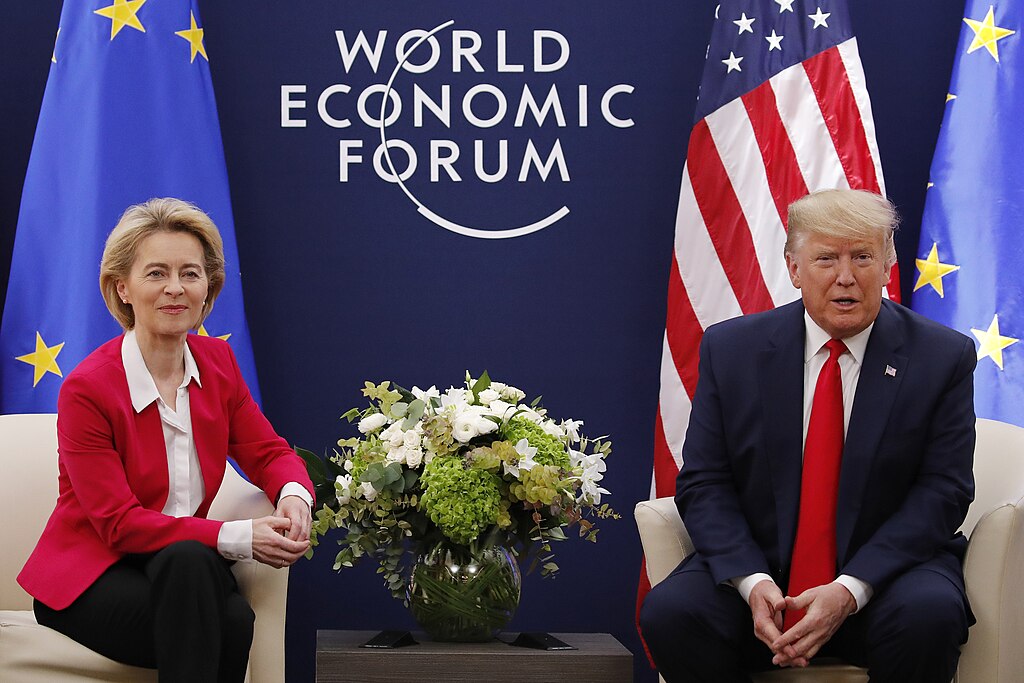
As former President Donald Trump prepares for a potential return to the White House, individuals charged in connection with the January 6 Capitol riot are expressing optimism that he will fulfill his pledge to pardon them on his first day back in office.
Throughout his campaign, Trump has consistently vowed to grant clemency to those he refers to as "political prisoners" of the Biden-Harris administration. In a statement, he emphasized his commitment to "rapidly review the cases of every political prisoner unjustly victimized by the Biden-Harris regime" and to "sign their pardons on Day 1."
This promise has led several defendants and their legal representatives to seek delays in their legal proceedings, anticipating potential clemency. For instance, attorneys for Christopher Carnell, convicted of obstruction and other charges related to the January 6 events, filed a motion to postpone a status hearing, citing expectations of relief from the incoming administration. The motion stated that Carnell is "awaiting further information from the Office of the President-elect regarding the timing and expected scope of clemency actions relevant to his case."
Similarly, Jaimee Avery, another defendant, requested a delay in her sentencing, arguing that proceeding would be "fundamentally unfair" given the "real possibility that the incoming Attorney General will dismiss Ms. Avery's case or, at the very least, handle the case in a very different manner."
Legal experts note that the presidential pardon power is broad and largely unchecked by other branches of government. Jeffrey Crouch, an assistant professor at American University and author of "The Presidential Pardon Power," stated, "Legally, there's not much that Congress or the courts can do to stop the president from granting clemency."
However, critics argue that issuing blanket pardons could undermine the rule of law and set a concerning precedent. U.S. Attorney General Merrick Garland responded to Trump's vow, warning against contemplating future insurrections and emphasizing the importance of upholding justice.
The potential pardons have also sparked debate among the public and lawmakers. Some view the January 6 defendants as individuals who were misled and deserve leniency, while others see them as perpetrators of a violent attack on democracy who should be held accountable.
As the situation develops, the legal community and the nation at large are closely monitoring how these promises will be implemented and their implications for the justice system. The balance between executive clemency and judicial accountability remains a pivotal issue in the discourse surrounding the aftermath of January 6.







