


 IMF Warns US Debt Crisis Needs Fiscal Action, Urges China to Boost Consumption
  US Supreme Court Denies Release of Anti-ICE Activist Kyle Wagner
  Gaza Olive Harvest Collapses as War Destroys Farmland
  US Justice Department Drops Prosecution of Ex-CIA Analyst Sue Mi Terry
  Elon Musk Donates $366 Million to 2026 US Midterms
  China Resumes US Soybean Purchases After Trump-Xi Summit
  Flavio Bolsonaro Backs Brazil’s 40-Hour Workweek Reform Ahead of Runoff
  US Condemns China Sanctions on Taiwan Allies Belize and Paraguay
  Kim Jong Un Showcases ICBM Ahead of Possible Trump Meeting
  SpaceX Starlink Restrictions Disrupt Ukraine Military Operations
  China Warns Taiwan Over South China Sea Coast Guard Incident
  Jordan Bardella Antisemitism Allegations Threaten Le Pen’s Campaign
  Trump Confirms US Intelligence Sharing With Ukraine Amid Russian Strikes
  Trump Warns Houthis Over Attacks, Considers Erdogan Intervention
  Zelenskiy Seeks New US Talks to Revive Ukraine-Russia Peace Negotiations
  Netanyahu Rejects Preemptive Iran Strike Ahead of Israel Election


 Add as a preferred source on Google
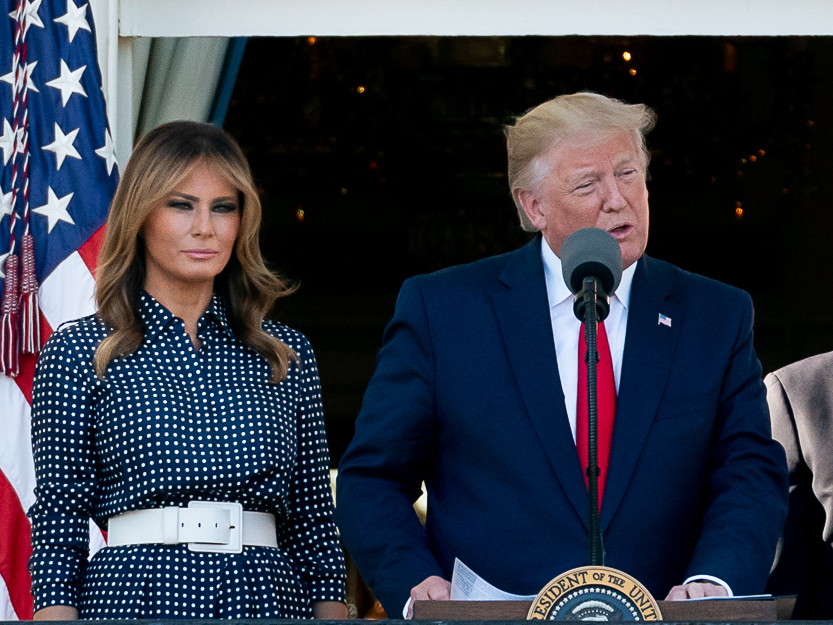
President-elect Donald Trump has doubled down on his plans for mass deportations, stating his administration will have “no choice” but to carry out a sweeping policy to expel undocumented immigrants. Trump’s remarks, made during a recent address to supporters, highlighted his uncompromising stance on immigration and national security, affirming his belief that there is “no price tag” too high when it comes to securing the nation’s borders.
The announcement comes as Trump continues to outline his policy goals ahead of his return to the White House. This latest statement has stirred both his base and his critics, intensifying debates over the financial, social, and ethical implications of mass deportations. In his address, Trump portrayed the initiative as essential, positioning it as a non-negotiable move in the fight to protect American sovereignty.
“We have no choice,” Trump asserted firmly, adding, “This is about the safety of our country. There is no price tag when it comes to ensuring our citizens are safe.” His comments underscore a core message in his campaign—placing border security and immigration control at the forefront of his agenda.
No Compromise on National Security
Throughout his political career, Trump has remained consistent in advocating for stricter immigration enforcement, but his recent statements suggest an even more determined approach. Trump’s “no price tag” assertion has drawn attention for its boldness, signaling a potential willingness to allocate substantial resources, regardless of cost, to execute his plan. However, he did not specify the estimated budget or operational details of the deportation program, leaving open questions about how such an initiative would be funded and implemented.
Proponents of Trump’s stance argue that his approach addresses longstanding concerns over illegal immigration and national security. Supporters claim that mass deportation is a necessary step to ensure the safety of American communities and to protect jobs for American citizens. “Trump is right—there’s no cost too high for the security of our people,” said Martha Adams, a spokesperson for Secure America, a conservative immigration policy group. “It’s time for decisive action, and he’s ready to deliver.”
Critics Warn of Economic and Social Fallout
Not everyone agrees with Trump’s “no choice” perspective. Opponents of the mass deportation proposal have raised significant concerns, arguing that the human and economic costs of such a policy could be devastating. Immigration advocates, civil rights organizations, and progressive lawmakers warn that mass deportations could lead to family separations, disrupt local economies, and overburden government resources.
“This ‘no price tag’ approach is reckless and dangerous,” said Linda Martinez, director of the American Immigration Council. “Mass deportation would not only be enormously expensive but would also tear apart communities and families who contribute to our society.” Martinez added that many undocumented immigrants play essential roles in industries like agriculture, construction, and healthcare, and that deporting large numbers could harm the economy.
Some financial analysts also questioned the practicality of Trump’s declaration, suggesting that the potential economic impact on industries dependent on immigrant labor could be significant. Moreover, logistics experts point out that executing a plan of this magnitude would require immense resources, coordination, and infrastructure.
A Controversial Path Forward
Trump’s declaration of “no choice” and “no price tag” has intensified the political discourse surrounding immigration policy. With opponents decrying the plan as socially destructive and financially unsustainable, the president-elect’s commitment to following through may set the stage for a contentious policy battle as he takes office.
Whether Trump’s base will rally around his mass deportation plan or whether opposition from lawmakers and activists will present formidable obstacles remains to be seen. His unwavering position, however, underscores the central role immigration will likely play in his administration’s agenda.
In the meantime, Trump’s bold words continue to echo, sparking fierce debates over what “securing the nation” truly means and how far the government should go to accomplish it. As he prepares to take office, his stance on immigration is already shaping up to be one of the most divisive issues of his tenure, leaving Americans to grapple with the future of the nation’s borders and the values it upholds.







