


 NATO Commander Warns Russia of Devastating Response to Attack
  Elon Musk Donates $366 Million to 2026 US Midterms
  European Auto Stocks Rise as EU-China Trade Deal Targets Hybrid Imports
  Brazil Election: Lula and Bolsonaro Rally Ahead of October 25 Runoff
  India Voter List Protests Reach Supreme Court as Opposition Demands Election Chief's Resignation
  US Condemns China Sanctions on Taiwan Allies Belize and Paraguay
  Most Americans Oppose Election Betting on Prediction Markets, Poll Finds
  North Korea Fires Ballistic Missiles Amid Rising Tensions With South Korea
  Djibouti Migrant Boat Capsizes, Killing 139 and Leaving 84 Missing
  Trump Announces Russia-Ukraine Energy Ceasefire as Zelenskiy Awaits Details
  US Judge Blocks Trump Administration’s Taxpayer-Funded Political Ads
  Trump Announces Russia-Ukraine Energy Ceasefire Amid U.S. Pressure on Kyiv
  Trump Defends Russian Diesel Deal Amid US Sanctions Backlash
  Zelenskiy Offers Russia Energy Truce Amid Trump Pressure
  Greenland Lawmakers Back Trump Security Deal Despite Economic Concerns
  US Authorities Raid Ilhan Omar’s Home Amid Immigration Fraud Probe


 Add as a preferred source on Google
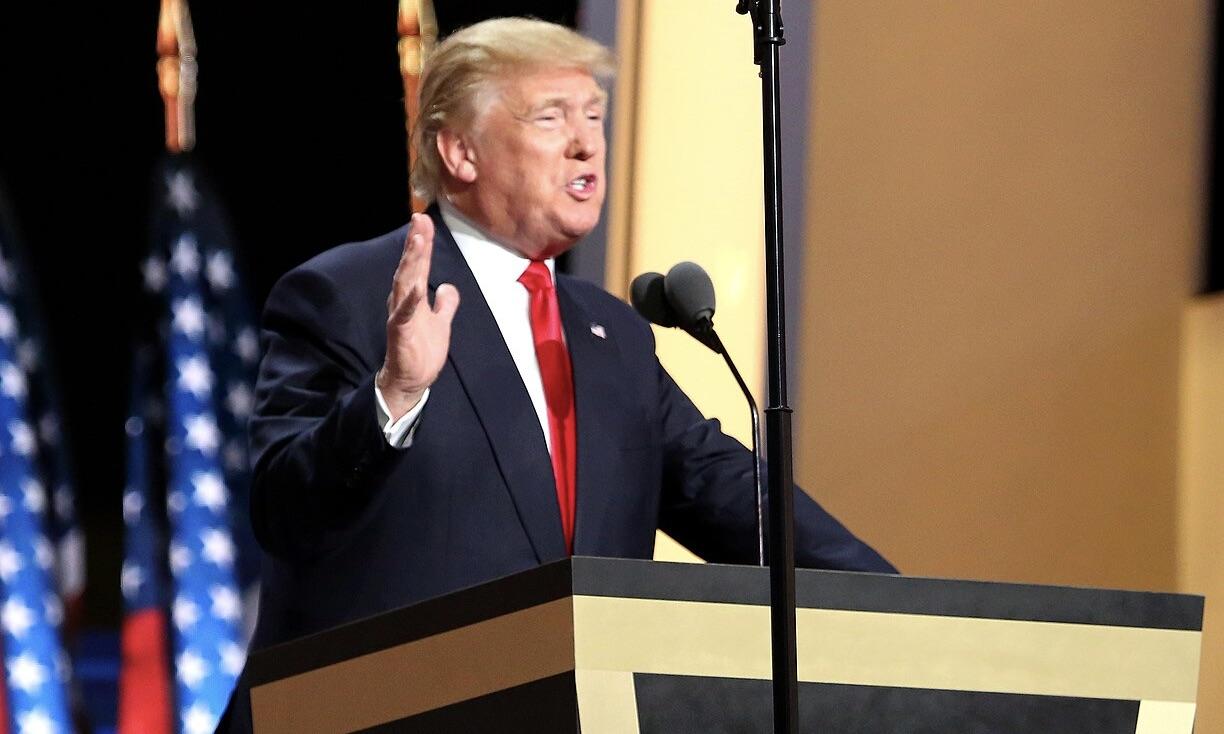
As former President Donald Trump gears up for the 2024 election, a new concern has emerged from within his own family. Fred Trump III, the nephew of the 45th president, has raised alarming questions about Trump’s mental fitness, suggesting that signs of dementia—an affliction that has impacted other members of the Trump family—might be manifesting in the former president.
Fred Trump III, who has generally kept a low profile, made these comments during an interview on The Dean Obeidallah Show. When asked directly about any similarities between his uncle’s current behavior and the dementia that plagued their grandfather, Fred did not hesitate to draw a connection. His observations have sparked fresh speculation about Trump’s cognitive health, a topic that has lingered in the public discourse for some time.
The issue is particularly poignant given the family history. Fred noted that their grandfather, Fred Trump Sr., who passed away in 1999, spent his final years battling dementia—a condition that he believes may now be affecting Donald Trump. The former president’s erratic behavior, including his obsession with crowd sizes and other seemingly trivial matters, has been a point of concern for many observers, and Fred’s comments have only added fuel to the fire.
The nephew’s concerns extend beyond Donald Trump, noting that other family members, including Trump’s cousin John Walters, have also been diagnosed with dementia. Fred, who is not a medical professional, acknowledged that his worries are rooted in personal observations rather than a formal diagnosis. However, he emphasized that the signs he sees in his uncle are reminiscent of what he witnessed in other family members who suffered from the debilitating condition.
Fred Trump III’s remarks come at a critical time as Donald Trump prepares for another potential run for the presidency. The former president’s mental acuity has been a subject of debate among political commentators and medical experts alike. Instances where Trump appeared confused or made statements that didn’t align with reality have only intensified these discussions. Critics have often pointed to these moments as evidence of cognitive decline, though Trump’s supporters dismiss such claims as politically motivated attacks.
The implications of Fred Trump III’s statements are significant, particularly as the nation inches closer to the 2024 election. If the concerns about Trump’s mental state gain traction, they could influence public perception and potentially impact his campaign. For now, Trump remains a dominant figure in the Republican Party, with a base that is fiercely loyal. However, Fred’s comments might give some of Trump’s supporters pause as they consider the future.
While Donald Trump has not directly addressed these recent claims from his nephew, the conversation around his mental fitness is likely to persist. As the political landscape continues to evolve, so too will the scrutiny of those vying for the highest office in the land.







