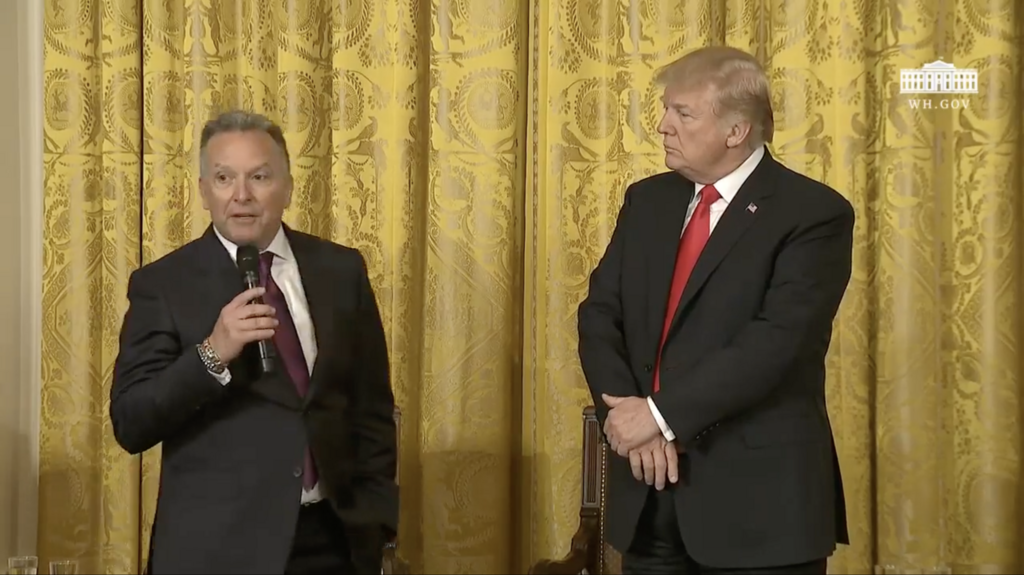
U.S. Special Envoy Steve Witkoff has ignited backlash after proposing a Ukraine ceasefire plan that would grant Russia control over four eastern Ukrainian regions—Luhansk, Donetsk, Zaporizhzhia, and Kherson. The proposal, delivered to President Donald Trump during a recent White House meeting, mirrors Moscow's demands and has drawn criticism from U.S. officials and allies alike.
General Keith Kellogg, Trump’s Ukraine envoy, rejected the idea, emphasizing that Kyiv would never agree to cede full ownership of its territory. Witkoff, a longtime Trump ally, previously voiced the proposal during an interview with conservative commentator Tucker Carlson, stating that the regions are “Russian-speaking” and had shown preference for Russian rule through disputed referendums.
The controversy intensified after Witkoff hosted Russian negotiator Kirill Dmitriev—who is under U.S. sanctions—at his home, a move that broke protocol and alarmed national security officials. The meeting was later moved to the White House. Witkoff's increasing influence in foreign policy and perceived pro-Russian stance have drawn criticism from Republicans, Democrats, and Western diplomats, with some calling for his replacement.
Despite internal division, Trump remains committed to brokering a Ukraine ceasefire by May and has eased several Biden-era sanctions on Russia. However, partial ceasefire efforts have stalled, frustrating the administration.
Witkoff continues to lead negotiations, recently meeting with Russian President Vladimir Putin and preparing for talks with Iran. Critics argue the U.S. lacks a unified strategy, with allies expressing concern over mixed signals from Washington and the potential risks to European security.
National Security Adviser Mike Waltz defended Witkoff, highlighting his urgency and private-sector negotiation skills. Still, many fear that the absence of a coordinated policy is undermining U.S. credibility in the ongoing Ukraine-Russia conflict.