


 Trump Sanctions International Criminal Court, Sparking EU Backlash
  JD Vance Questions Pentagon Plan to Livestream Fort Hood Shooter’s Execution
  Trump Announces Russia-Ukraine Energy Ceasefire as Zelenskiy Awaits Details
  Brazil Election: Lula and Bolsonaro Rally Ahead of October 25 Runoff
  US Judge Blocks Trump Administration’s Taxpayer-Funded Political Ads
  Mahmoud Abbas Postpones Palestinian Elections to September 2027
  Zelenskiy Offers Russia Energy Truce Amid Trump Pressure
  Venezuela’s Machado Calls for Elections by July 2027
  Panama Declares Emergency After 7.7 Earthquake Triggers 200 Aftershocks
  Yandex Data Center Hit by Drone Strike as Russia-Ukraine Cyber Infrastructure Attacks Escalate
  Flydubai Co-Pilot Planned Suicide Attack on Israel Airport, UAE Says
  Trump Calls for Zelenskyy Replacement Amid Russian Diesel Deal
  Ripple Chairman Chris Larsen Donates $22.5 Million Ahead of US Midterms
  Trump Announces Russia-Ukraine Energy Ceasefire Amid U.S. Pressure on Kyiv
  US Charges Maduro and Wife With Torture Conspiracy
  UK Finance Minister Healey Calls for Fiscal Discipline Amid Global Risks


 Add as a preferred source on Google
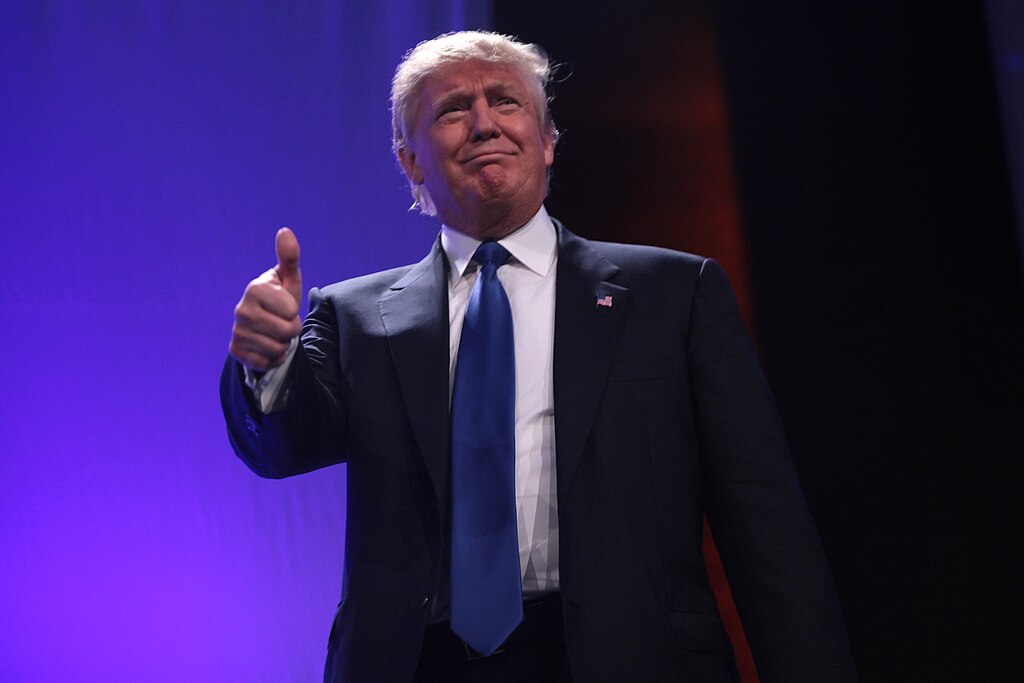
As President Donald Trump embarks on his second term in January 2025, his administration is poised to make significant judicial appointments that could reshape the federal judiciary for decades. Building upon his first-term legacy of appointing 234 federal judges, including three Supreme Court justices, Trump aims to further solidify a conservative judicial philosophy across the nation's courts.
Supreme Court Prospects
With the potential for additional vacancies on the Supreme Court, Trump's shortlist reportedly includes staunch conservatives committed to originalist interpretations of the Constitution. Legal analysts suggest that such appointments could entrench a conservative majority, influencing rulings on pivotal issues like abortion, gun rights, and executive power.
Lower Court Appointments
Beyond the Supreme Court, the administration is expected to focus on filling vacancies in the U.S. Courts of Appeals and District Courts. Emphasizing candidates with strong conservative credentials, the goal is to ensure that judicial decisions align with the administration's policy objectives. This strategy reflects a departure from traditional reliance on the Federalist Society, as Trump seeks judges who demonstrate unwavering loyalty to his agenda.
Controversial Nominations
Among the anticipated nominees is Representative Matt Gaetz for Attorney General, a choice that has sparked considerable debate. Gaetz's nomination faces scrutiny due to past allegations and his outspoken political stance, raising concerns about the politicization of the Department of Justice. Senate Republicans are reportedly divided over the confirmation, with some expressing reservations about the potential impact on the department's integrity.
Public Reaction
The administration's judicial appointment strategy has elicited a spectrum of reactions:
-
@LegalEagle: "Stacking the courts with loyalists undermines judicial independence. This sets a dangerous precedent."
-
@ConservativeVoice: "Finally, a president committed to restoring constitutional principles in our judiciary. Long overdue!"
-
@JusticeForAll: "Concerned about the erosion of checks and balances. The judiciary must remain impartial."
Conclusion
President Trump's 2025 judicial appointment plans signal a concerted effort to influence the federal judiciary's direction for generations. While supporters applaud the move toward conservative jurisprudence, critics warn of potential threats to judicial independence and the balance of powers. As the nomination process unfolds, the nation watches closely, aware of the profound implications these appointments hold for the future of American law and governance.







