


 Venezuela’s Machado Calls for Elections by July 2027
  US, EU Push for Action Against Asia’s Excess Factory Capacity
  Zelenskiy Offers Russia Energy Truce Amid Trump Pressure
  Trump Sanctions International Criminal Court, Sparking EU Backlash
  Djibouti Migrant Boat Capsizes, Killing 139 and Leaving 84 Missing
  US Charges Maduro and Wife With Torture Conspiracy
  US Judge Blocks Trump Administration’s Taxpayer-Funded Political Ads
  Flydubai Co-Pilot Planned Suicide Attack on Israel Airport, UAE Says
  Houthis Warn Saudi Airports After Deadly Riyadh Attack
  Trump Calls for Zelenskyy Replacement Amid Russian Diesel Deal
  Trump Buys Up to $25M in Meta Stock, Invests in SpaceX Debt
  Panama Declares Emergency After 7.7 Earthquake Triggers 200 Aftershocks
  RFK Jr. Launches Nationwide Vaccine Safety Review
  Yandex Data Center Hit by Drone Strike as Russia-Ukraine Cyber Infrastructure Attacks Escalate
  Zelenskiy Slams US Over Deadly Russian Strikes on Ukraine
  Trump Announces Russia-Ukraine Energy Ceasefire as Zelenskiy Awaits Details


 Add as a preferred source on Google
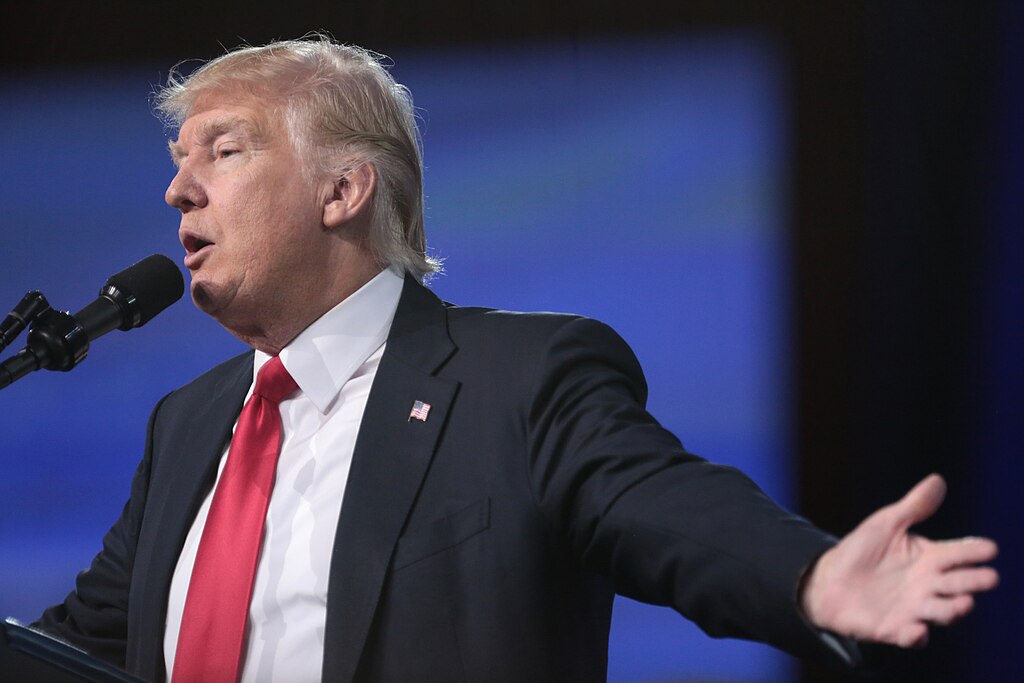
As President-elect Donald Trump prepares to assume office in January 2025, his administration is unveiling an assertive strategy to combat crime nationwide. Central to this plan is the deployment of military forces to support law enforcement in areas experiencing significant unrest, a move that has sparked considerable debate.
Military Involvement in Domestic Law Enforcement
A cornerstone of Trump's crime reduction strategy involves utilizing active-duty military personnel to assist in policing efforts within the United States. This approach aims to address escalating violence in urban centers and reinforce local law enforcement agencies. However, the proposal has raised legal and ethical concerns, particularly regarding the potential implications for civil liberties and the traditional separation between military and civilian roles.
Mass Deportation Initiatives
The administration plans to initiate a large-scale deportation program targeting undocumented immigrants with criminal records. This initiative is intended to remove individuals deemed threats to public safety. Critics argue that such measures could lead to family separations and strain community relations, while supporters believe they are necessary for national security.
Capital Punishment for Drug Offenses
Trump's plan includes advocating for the death penalty for individuals convicted of drug trafficking offenses. This policy aims to deter high-level drug crimes and address the opioid crisis. Opponents contend that it may not effectively reduce drug-related activities and could disproportionately affect marginalized communities.
Reforming the Department of Justice
The administration intends to restructure the Department of Justice (DOJ) to align more closely with its law enforcement objectives. Proposed changes include increasing oversight of federal prosecutors and revising policies related to civil rights investigations. These reforms aim to enhance accountability and efficiency within the DOJ. However, there are concerns about potential politicization of the department and the impact on its independence.
Public Reaction
The proposed crime reduction measures have elicited a range of responses:
-
@JusticeAdvocate: "Deploying the military for domestic policing sets a dangerous precedent. Civil liberties are at risk."
-
@LawEnforcementSupporter: "It's about time we take strong action against crime. Our cities need law and order restored."
-
@ImmigrationRights: "Mass deportations will tear families apart and sow fear in immigrant communities. We must find humane solutions."
Conclusion
President-elect Trump's 2025 crime reduction plan outlines a series of bold initiatives aimed at addressing public safety concerns. While supporters argue that these measures are necessary to restore order, critics caution against potential overreach and the erosion of civil liberties. As the administration moves forward, the balance between security and individual rights will remain a central point of contention.







