


 Fed Unveils Stablecoin Rules Under GENIUS Act
  Japan Factory Output Unexpectedly Falls 1.7% in August
  BOJ Signals Faster Rate Hikes as Inflation Risks Grow
  US Stocks Slip as Treasury Yields Ease, AI Trade Rebounds
  Gold Plunges 4% as Treasury Yields Surge and Fed Rate Hike Bets Rise
  Gold Steady as Softer U.S. Inflation Eases Fed Rate Hike Bets
  Oil Prices Steady as Middle East Crude Flows Recover
  Yen Sinks as BOJ Rate Hike Fails to Impress Markets
  Global Central Banks Brace for More Rate Hikes as Inflation Risks Rise
  Trump Eyes $54 Billion South Korean Investment in Alaska LNG
  Australia Trade Surplus Shrinks Sharply as Imports Surge
  Asian Stocks Rise as Bond Yields Ease Ahead of U.S. Inflation Data
  BlackRock’s Rick Rieder Favors Bonds Over Stocks as Treasury Yields Surge
  RBA Says ASX Still Falls Short on Governance and Risk Controls


 Add as a preferred source on Google
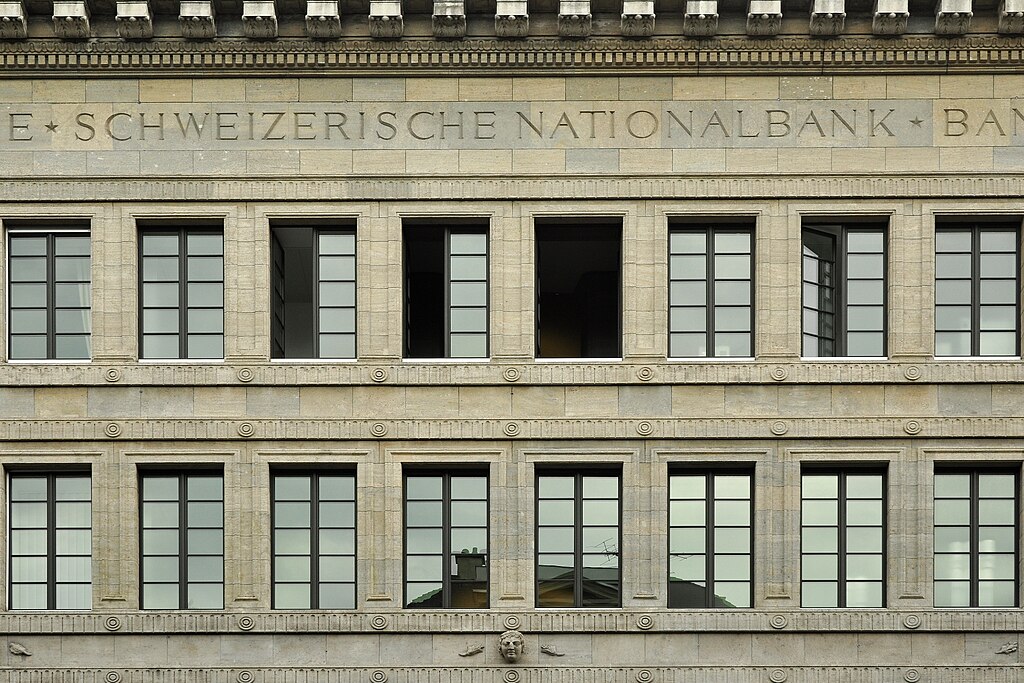
Swiss National Bank (SNB) Chairman Martin Schlegel warned on Friday that rising global economic risks, fueled by U.S. tariffs and trade uncertainty, will likely slow Switzerland’s economic growth. Speaking at the SNB’s annual general meeting in Bern, Schlegel stressed that maintaining stable prices is now more critical than ever.
With Switzerland’s export-driven economy facing a 31% U.S. tariff, Schlegel said the country is particularly vulnerable to protectionist measures. He highlighted that the uncertainty around trade policy is "very high," posing a real threat to long-term global economic integration. As a result, Swiss GDP growth is expected to be weaker than previously forecast. In March, the SNB projected growth of 1% to 1.5% for 2025, already below Switzerland’s historical average of 1.8%.
Schlegel noted that while central banks cannot control global trade policies or prevent tariffs, ensuring price stability remains their primary role. The SNB targets inflation between 0% and 2%, which it sees as crucial for economic prosperity and social stability. March inflation was recorded at 0.3%, raising concerns about possible deflation.
If necessary, the SNB will adjust monetary policy, including interest rate changes and foreign currency interventions, to maintain price stability. However, Schlegel acknowledged that stable prices alone cannot eliminate trade policy uncertainty, warning that prolonged uncertainty could delay investments and consumer spending.
The speech underlines Switzerland’s heightened exposure to global protectionism and reinforces the SNB’s commitment to price stability as a safeguard for the economy.







