DoorDash Inc. experienced a significant setback as its shares plunged over 14% in after-hours trading on Wednesday following its announcement of a weaker-than-expected profit outlook for the second quarter. The San Francisco-based online food delivery giant cited rising operational costs and stricter regulatory measures as primary culprits behind the disappointing forecast.
Regulatory Challenges and Operational Costs
Reuters reported that to comply with new wage regulations introduced in New York City and Seattle, DoorDash has increased minimum pay for its delivery workers. According to CFO Ravi Inukonda, this move and other rising costs contributed to a squeeze on the company's margins.
"Costs did go up from Q4 to Q1," Inukonda stated, highlighting the company's struggle to balance operational expenses with growth. Consequently, DoorDash has introduced new consumer fees to offset some of these increases.
According to Yahoo, DoorDash's guidance indicates an expected adjusted EBITDA (earnings before tax, interest, depreciation, and amortization) ranging from $325 million to $425 million for the second quarter. This projection falls short of market expectations, with a midpoint below the estimated $393.8 million.
Impact of New Regulations
The newly imposed regulations have also had an adverse effect on the flexibility and accessibility of the DoorDash platform for its delivery personnel in affected cities, leading to a slight reduction in total orders.
Analysts, such as Jim Sanderson from Northcoast Research, emphasize the importance of innovative growth strategies for DoorDash, especially considering the potential for decreased order volumes from U.S. restaurants and the increasing burden of labor expenses.
Efforts to Diversify and Gain Market Share
In the face of these challenges, DoorDash has not been idle. The company is actively diversifying its service offerings, venturing into grocery, retail, and alcohol delivery to capture a wider customer base and compete with rivals like UberEats and Instacart.
This strategic expansion seems to be paying off, with DoorDash reporting a 21% increase in total orders, reaching 620 million for the quarter. Furthermore, the firm has seen a significant spike in its gross order value, a 21% rise to $19.24 billion.
Despite the hurdles, DoorDash's first-quarter performance exceeded expectations, with revenue climbing over 23% to $2.51 billion. The company also narrowed its net loss to $23 million, or 6 cents per share, a notable improvement from the previous year.
Looking ahead, DoorDash anticipates a gross order value of between $19 billion and $19.4 billion for the second quarter, indicating persistence in its growth trajectory despite prevailing challenges.
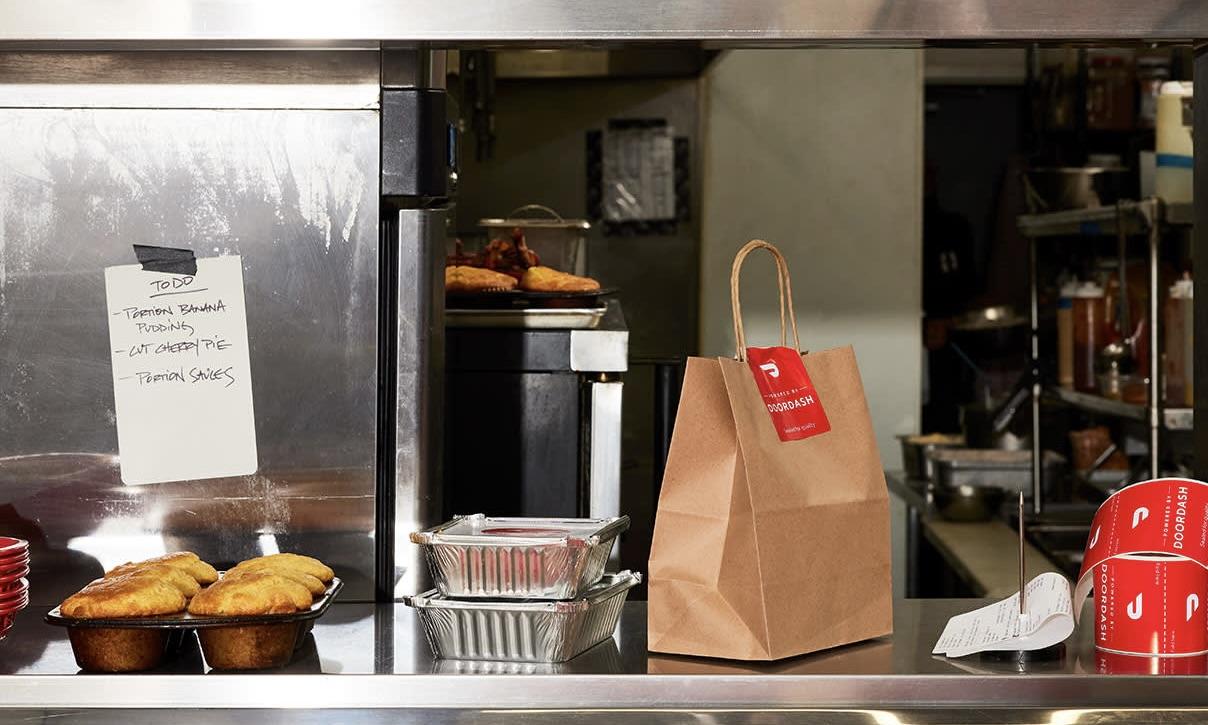
Photo: DoorDash Newsroom