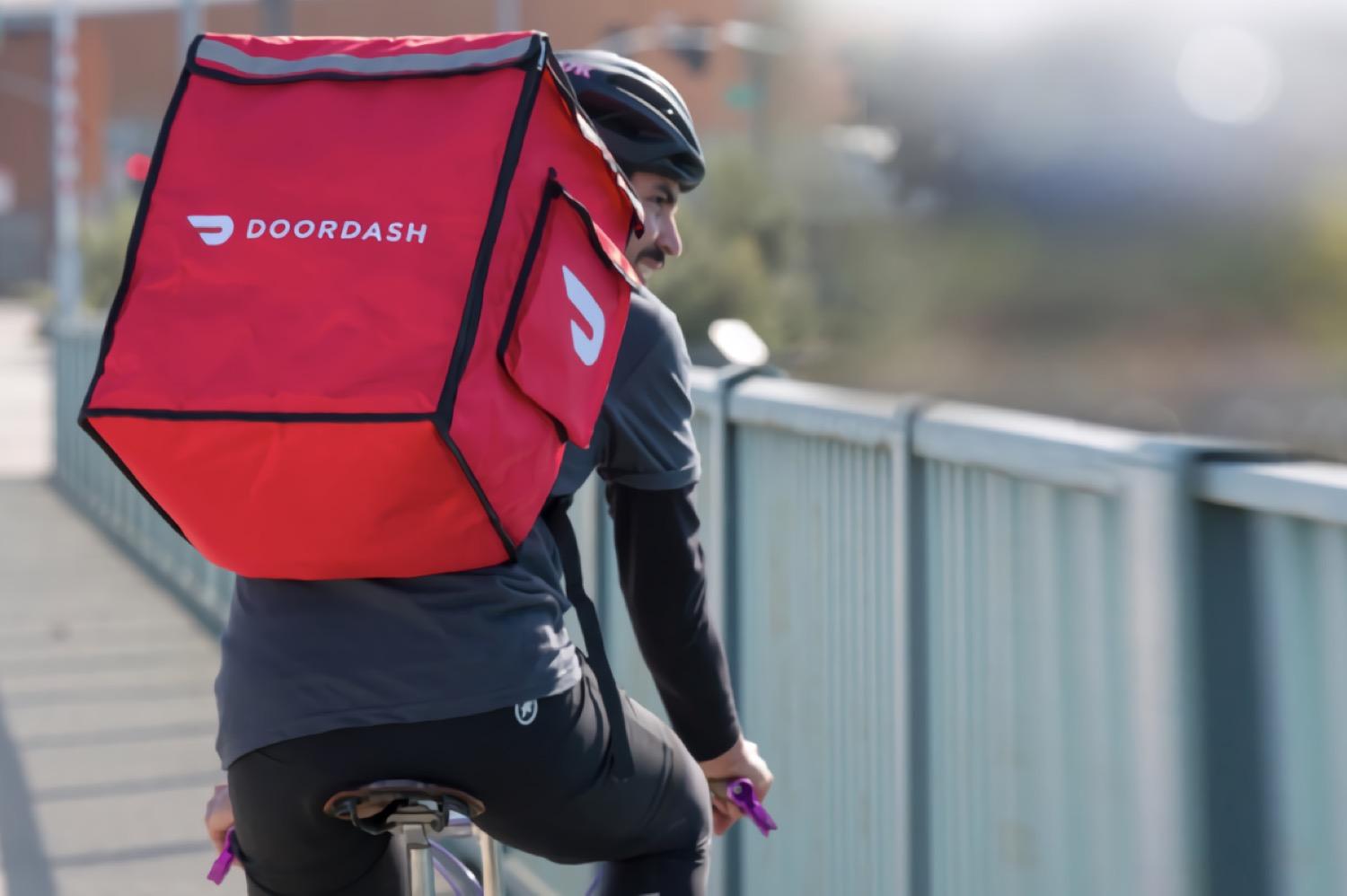
San Francisco-based DoorDash Inc., the biggest food-delivery company in the US, is bringing its on-demand delivery to Asia with its first stopover in Sendai, Japan, one of the world's most restaurant-dense areas.
DoorDash’s marketplace app allows users to order from an array of participating eateries, as an offers the storefront, an online ordering product that helps restaurants create their pickup and delivery websites.
The storefront service will be commission-free through the end of the year, with the only cost to the merchants being payment processing fees, DoorDash said.
Sendai was chosen by DoorDash to begin its operation in Japan due to the low penetration rate of delivery services and with demand expected to grow, according to DoorDash Japan Country Manager Ryoma Yamamoto.
While he added that it will be easy to develop suburban-type services in Sendai, he did not discuss expansion plans in other Japanese cities.
Meanwhile, DoorDash Co-founder and CEO Tony Xu noted that their strategy is to empower local economies, especially the underserved suburban markets with a high appetite for connectivity between merchants and customers.
DoorDash has benefited from the pandemic-induced boom in food delivery and has since expanded its market share to 56 percent of US food-delivery sales as of April.
Japan that DoorDash has reached outside the US for DoorDash after Canada and Australia.
DoorDash has reportedly made inquiries on acquiring food delivery businesses in Europe.