


 Fed’s Williams Signals One More Rate Hike Before Year-End
  BOJ Set for 25-Basis-Point Rate Hike as Yen Weakness Fuels Inflation
  Gold Plunges 4% as Treasury Yields Surge and Fed Rate Hike Bets Rise
  US Dollar Hits Two-Month High as Aussie, Pound Slide
  Trump Demands Powell Resign Over Fed Renovation Cost Overruns
  South Korea Exports Surge 83.5% on AI Chip Boom
  Asian Stocks Rise as Bond Yields Ease Ahead of U.S. Inflation Data
  Oil Prices Slide as Middle East Flows Recover
  Australia Trade Surplus Shrinks Sharply as Imports Surge
  Yen in Focus as BOJ, Fed Rate Hikes Reshape Currency Markets
  U.S. Stock Futures Steady as AI, Rate Concerns Weigh
  Gold Steady as Softer U.S. Inflation Eases Fed Rate Hike Bets
  Australia Inflation Accelerates to 4% After RBA Rate Hike
  RBA Hikes Interest Rate to 4.60% as Inflation Risks Rise


 Add as a preferred source on Google
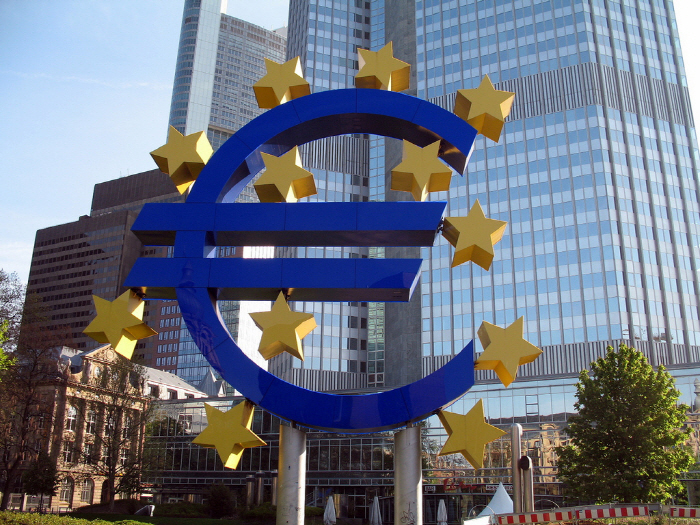
The European Central Bank (ECB) is expected to lower interest rates three more times in 2025, bringing the key deposit rate to 1.5%, according to analysts at Deutsche Bank. The forecast includes 25 basis point cuts in June, September, and December as part of an ongoing easing cycle. However, Deutsche Bank cautions that “two-sided risks” could shift this path.
One scenario involves delayed U.S. tariffs triggering a eurozone "growth shock," which may push rates below the 1.5% threshold. Alternatively, stronger-than-expected economic resilience could halt the rate cuts earlier than projected.
In April, President Donald Trump’s announcement of sweeping U.S. tariffs, including 10% levies on European steel, aluminum, and autos, rattled global markets. Although some tariffs have been postponed, continued trade tensions remain a significant threat to eurozone growth. ECB policymakers note that heightened uncertainty and volatile financial markets may tighten financing conditions, further pressuring the economic outlook.
In response to weak economic momentum, the ECB recently cut its deposit rate by 25 basis points to 2.25%—its seventh cut in a year. The main refinancing rate dropped to 2.40%, and the marginal lending facility fell to 2.65%.
Policymakers cite falling inflation as another reason for the dovish stance. Headline and core inflation both declined in March, and services sector price gains have cooled, suggesting inflation may settle near the ECB’s 2% medium-term target.
Despite signs of resilience, the eurozone economy remains vulnerable to global shocks. ECB officials warn that if U.S. tariffs are fully implemented, euro area GDP growth could be reduced by up to 0.5 percentage points this year.







