


 Fed’s Hammack Says Bond Yield Surge Is Not Driven by Inflation Fears
  US Stocks Slip as Treasury Yields Ease, AI Trade Rebounds
  Gold Prices Slip as High Treasury Yields Weigh on Bullion
  Japanese Yen Retreats as Dollar Rises Ahead of Fed, BOJ Rate Decisions
  Fed Unveils Stablecoin Rules Under GENIUS Act
  BOJ Signals Faster Rate Hikes as Inflation Risks Grow
  China Cuts Tariffs on U.S. Farm Goods but Excludes Soybeans
  Oil Prices Jump Nearly 3% as Iran Holds Firm on Hormuz Conditions
  Yen Sinks as BOJ Rate Hike Fails to Impress Markets
  Asian Stocks Fall as Bond Yields and Oil Prices Surge
  Dollar Eases Near Two-Month High as Yen Rebounds
  BlackRock’s Rick Rieder Favors Bonds Over Stocks as Treasury Yields Surge
  Gold Rebounds as Oil Falls and Treasury Rout Eases


 Add as a preferred source on Google
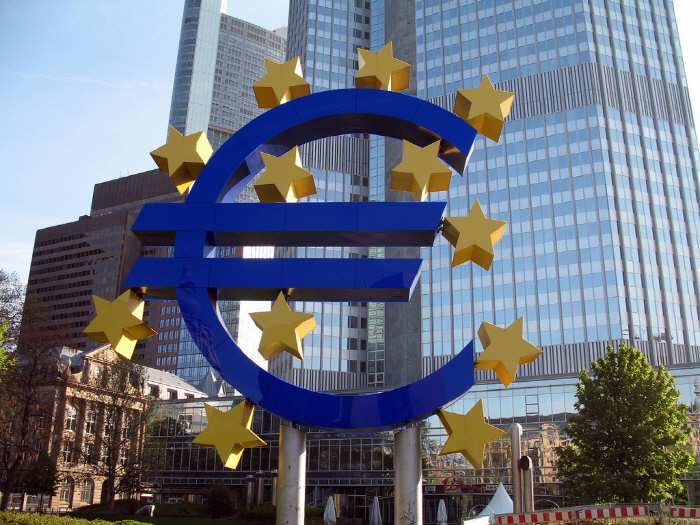
The European Central Bank (ECB) is unlikely to implement another interest rate cut anytime soon, according to board member Isabel Schnabel. Speaking with financial newswire Econostream, Schnabel emphasized that the threshold for further monetary easing is "very high," given the eurozone economy's stronger-than-expected performance and anchored inflation.
The ECB recently reduced its policy rate to 2%, marking a significant shift from the previous year. This rate, which now falls within the estimated neutral range of 1.75% to 2.25%, is viewed by Schnabel as “becoming accommodative.” She stressed that any further rate cuts would require “a material deviation” from the ECB’s 2% inflation target, dismissing the idea of adjusting rates based on short-term fluctuations such as oil prices.
Inflation expectations remain well anchored, and Schnabel signaled confidence in the ECB’s current stance. The economy has shown resilience despite global trade tensions and uncertainty driven by U.S. tariff policies under President Donald Trump. Additionally, increased fiscal spending in Germany is expected to support growth across the region.
Schnabel also downplayed recent euro strength, suggesting its impact on inflation would be limited and instead reflected optimism about the eurozone’s economic prospects. Echoing this sentiment, ECB chief economist Philip Lane recently stated that only “material” changes in inflation would prompt policy action.
Highlighting potential medium-term inflation risks, Schnabel noted that trade tariffs could drive prices higher due to costlier, less efficient supply chains—factors not fully captured by current economic models. Overall, she said the risks to the euro area growth outlook are now “more balanced,” reinforcing the ECB’s preference to hold rates steady in the near term.







