


 U.S. Stock Futures Fall as Iran, Oil and AI Risks Rattle Markets
  BOJ Set to Raise Rates to 1.25% as Inflation Risks Build
  Yen Sinks as BOJ Rate Hike Fails to Impress Markets
  Oil Prices Slide as Middle East Flows Recover
  XRP Price Targets $1.70 as Bullish Momentum Builds
  Japan Factory Output Unexpectedly Falls 1.7% in August
  Global Central Banks Brace for More Rate Hikes as Inflation Risks Rise
  US Alcohol Ban Exposes Canada’s Internal Trade Barriers
  Gold Rebounds as Oil Falls and Treasury Rout Eases
  Australia Budget Deficit Narrows to A$22.3 Billion on Stronger Tax Revenue
  BlackRock’s Rick Rieder Favors Bonds Over Stocks as Treasury Yields Surge
  RBA Says ASX Still Falls Short on Governance and Risk Controls
  China Industrial Profit Growth Slows as Weak Demand Offsets AI Gains
  U.S. Stock Futures Steady as AI, Rate Concerns Weigh
  ECB May Stop Rate Hikes After December, Capital Economics Says


 Add as a preferred source on Google
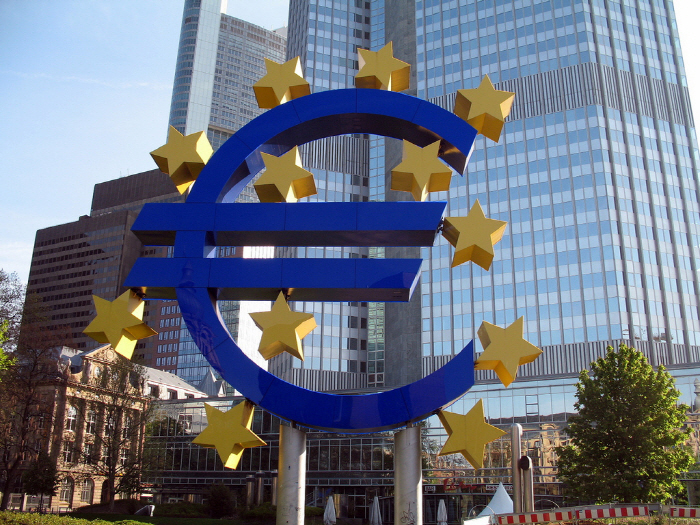
The European Central Bank may have to rethink its monetary strategy if rapid growth in stablecoins destabilizes global markets, according to ECB policymaker Olaf Sleijpen. In a recent interview with the Financial Times, the Dutch central bank governor highlighted the rising influence of digital tokens and the risks they could pose to Europe’s financial stability.
Sleijpen noted that stablecoins—cryptocurrencies designed to maintain a steady value by being pegged to assets such as the U.S. dollar—are expanding quickly, especially in the United States. He warned that if they continue growing at their current pace, they could soon reach a level where they become “systemically relevant,” meaning their failure or volatility could have far-reaching economic consequences.
This potential scenario raises concerns for the ECB, particularly around financial stability and inflation. Since Europe’s economy is closely interconnected with global capital flows, a major disruption in U.S. stablecoin markets could trigger ripple effects across European banks, payment systems, and consumer behavior. Such an event might compel the ECB to intervene or recalibrate its monetary policy to maintain price stability and protect the broader economy.
Sleijpen emphasized that the expanding role of digital assets demands closer regulatory attention. While stablecoins aim to provide a predictable alternative to traditional cryptocurrencies, their backing mechanisms and reserves are not always transparent or robust. A sudden loss of confidence—similar to a bank run—could lead to massive withdrawals, affecting liquidity and amplifying economic stress.
The policymaker’s remarks underscore the growing need for central banks and regulators to monitor the crypto sector as it becomes more integrated with mainstream finance. As adoption rises and stablecoins continue to influence cross-border payments and investment flows, authorities may face increasing pressure to establish clearer rules and safeguards.
Ultimately, Sleijpen’s warning signals that the evolution of stablecoins is no longer a niche issue. Their future trajectory could directly affect Europe’s economic outlook, potentially prompting decisive action from the ECB to maintain stability in an increasingly digital financial system.







