


 Oil Prices Jump Nearly 3% as Iran Holds Firm on Hormuz Conditions
  Oil Surge Pressures Global Stocks as U.S.-Iran Truce Hopes Fade
  RBA Set for September Rate Hike as Inflation Stays High
  Fed Unveils Stablecoin Rules Under GENIUS Act
  UK Housebuilder Stocks Surge on New First-Time Buyer Loan Scheme
  BOJ Raises Interest Rate to 31-Year High as Yen Weakens
  Asian Currencies Mixed as Yen Weakens, RBA Hike Looms
  Gold Slides Below $4,300 as Oil Surge Fuels Fed Rate Hike Bets
  Europe’s AI Data Centre Boom Strengthens Case for Nuclear Power
  Asian Currencies Weaken as Dollar, Oil Prices Rise
  BlackRock’s Rick Rieder Favors Bonds Over Stocks as Treasury Yields Surge
  Hong Kong Home Prices Stabilize in August After July Decline
  Yen Sinks as BOJ Rate Hike Fails to Impress Markets


 Add as a preferred source on Google
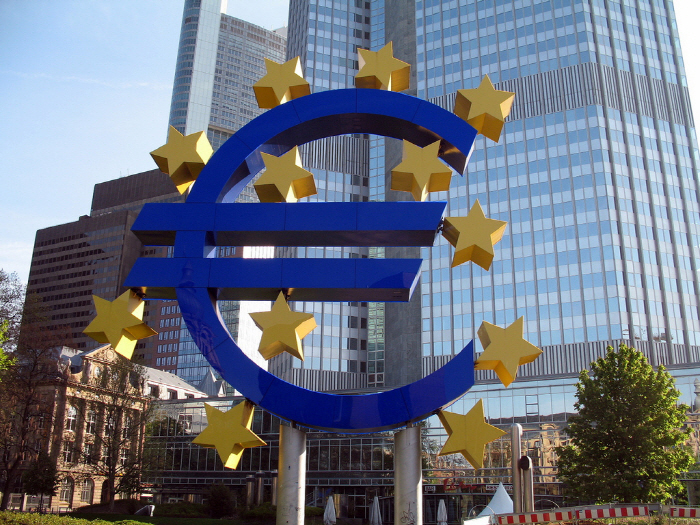
The European Central Bank faces mounting pressure to act decisively as inflation risks intensify across the euro zone. ECB Governing Council member Dimitar Radev has cautioned that price expectations could shift more rapidly than historical patterns suggest, urging the central bank to remain prepared for swift interest rate increases if persistent inflation signals emerge.
Energy costs, driven sharply higher by the ongoing Iran war, have already pushed inflation well beyond the ECB's 2% target. Policymakers are now carefully weighing whether tightening monetary policy is necessary to prevent this spike from embedding itself across broader goods and services — a development that could trigger a damaging price spiral.
"The balance of risks has shifted in an unfavourable direction," Radev stated, noting that the probability of a more adverse economic scenario has grown considerably given current energy market volatility and widespread uncertainty.
A critical concern is consumer and business behavior. Having lived through the inflation surge that followed Russia's 2022 invasion of Ukraine, households and companies may respond faster to new price pressures by demanding higher wages and raising prices — accelerating an inflation cycle that becomes increasingly difficult and costly to reverse.
Current data offers some reassurance. March inflation figures showed slowing price growth in the services sector, and long-term inflation expectations remain anchored near the ECB's target. However, Radev stressed that the situation remains fragile and could deteriorate quickly if energy prices stay elevated and begin influencing wages and profit margins.
Financial markets have already priced in more than two ECB rate hikes for the year, with June identified as the likely starting point. Radev added that discussions at the April 30 meeting should allow for a more concrete policy assessment.
Governments considering energy subsidies could further complicate the outlook, potentially amplifying inflationary pressures rather than containing them.







