


 RBI Raises Repo Rate to 5.50% in Hawkish Shift on Inflation Risks
  Trump Demands Powell Resign Over Fed Renovation Cost Overruns
  BOJ Raises Interest Rate to 31-Year High as Yen Weakens
  RBA Says ASX Still Falls Short on Governance and Risk Controls
  Best Gold Stocks to Buy Now: AABB, GOLD, GDX
  ECB May Stop Rate Hikes After December, Capital Economics Says
  Fed’s Logan Signals 50 Basis Points More in Rate Hikes
  Gold Prices Fall Amid Rate Jitters; Copper Steady as China Stimulus Eyed
  Fed’s Hammack Says More Data Needed Before Next Rate Move


 Add as a preferred source on Google
After the press conference held by president Draghi, who has a good track record of being ahead of the market, ECB board members (Praet, Constancio, Coeuré) signalled significant dovishness, indicating that the ECB now looks increasingly set to act in December.
On Tuesday, Praet said that "there is a growing risk that inflation in the eurozone will not return to levels conducive to healthy economic growth by 2017, as initially forecast". The staff inflation forecast for 2017 currently stands at 1.7% on average, which means close to 2.0% by the end of 2017. Praet's comments suggest a downward revision. When the ECB launched QE in March this year, it said QE would help meet the 2.0% target medium term (i.e. in 2017).
A meaningful change of forecast would be a trigger for action. On Wednesday, ECB vice president Constancio reiterated that the "ECB balance sheet will continue to expand until we see a sustained adjustment in the path of inflation", while Coeuré indicated that downside risks to the inflation outlook may warrant more stimulus. All this suggests that the use of the "vigilant" wording (a key word in the past for imminent key rate changes) was intentional.

- News

- Economy

- Central Banks
- Investing
- Research
- Roundups
- Digital Currency
- Insights
- Technical Analysis
- Technology
- Business
- Law
- Health
- Nature
- Fintech
- Science
- Topic
- Opinions
- ©Econometrics LLC . All Rights Reserved.
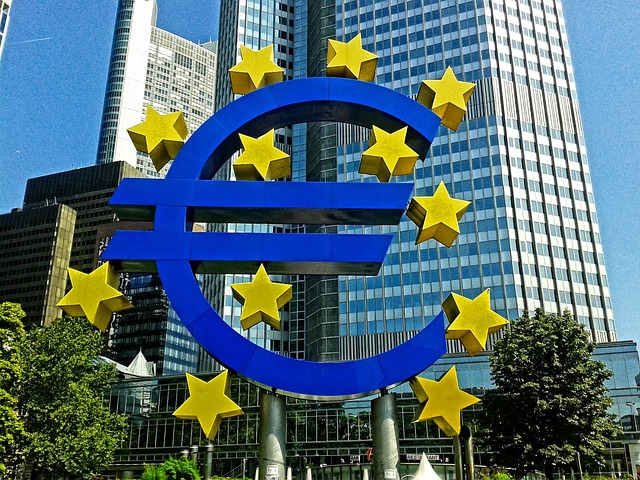
ECB meeting: Dovish tone from ECB board members
Thursday, October 29, 2015 8:33 PM UTC
Editor's Picks



- Market Data
Most Popular




