


 Solidigm Taps Goldman, Morgan Stanley for $10 Billion US IPO
  Robinhood Chain Eyes Priority Gas Auctions for Faster Trades
  Amazon in Talks to Acquire AI Startup Decart for $7 Billion
  Broadcom, Oracle and SpaceX Seek Billions in Private Debt for AI Expansion
  Trump Buys Up to $25M in Meta Stock, Invests in SpaceX Debt
  Arthur Hayes Announces FLOP Testnet Launch Within Weeks
  Apple Names Steve Smith M&A Chief in Leadership Shakeup
  Meta Launches Muse Wonder AI Models, Shares Rise 3.7%
  Apple Cuts iPhone 18 Pro Production Orders Amid Weak Demand
  TSMC Q3 Revenue Beats Estimates as AI Chip Demand Surges
  Samsung Q3 Profit Hits Record High on AI Memory Demand
  Epic Games Delays Disney Shooter, Shifts to AI-First Development
  Zcash Plans Quantum-Resistant Security Upgrade for January
  Tencent Shares Fall as $5 Billion AI Bond Sale Weighed
  Moonshot AI Executives Seek Settlement Ahead of Hong Kong IPO
  Apple Supplier Luxshare Sees Limited Impact From US Patent Probe


 Add as a preferred source on Google
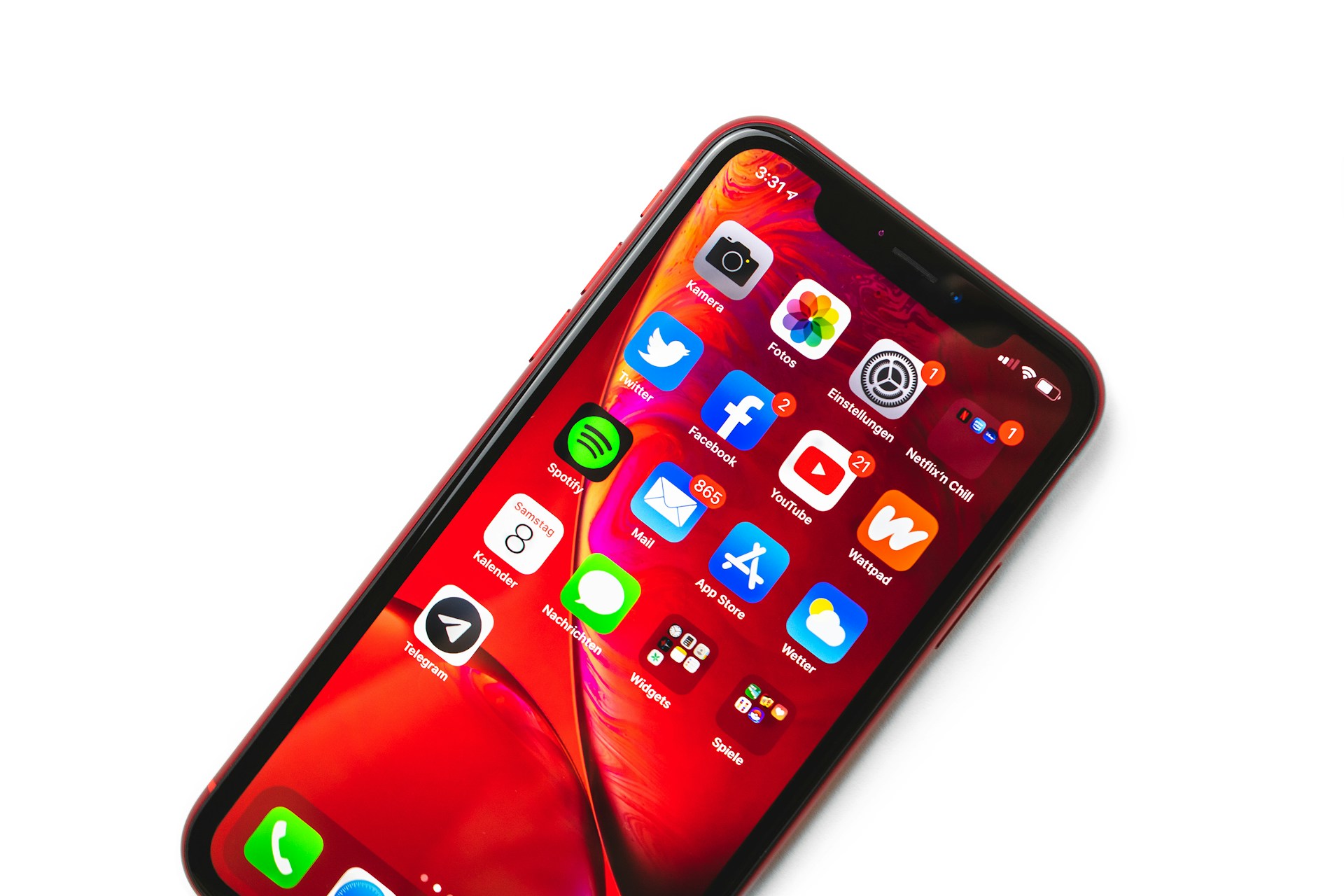
In a move highlighting the tension between tech giants and regulatory bodies, the European Union's competition commissioner, Margrethe Vestager, announced that Apple might need to permit iPhone users to delete the pre-installed Photos app. This directive could transform iOS's fundamental operations.
EU's New Directive Challenges Apple: A Shift Towards User Autonomy in App Management
Vestager, the EU competition commissioner, suggested that Apple may be required to allow iPhone owners to delete the Photos app.
While this possibility had not previously been raised, Vestager stated in a brief speech that it was one of the things Apple failed to do in its DMA response, and it would require a significant change to the way iOS works.
“Under Article 6(3) of the DMA, gatekeepers have an obligation to enable easy uninstallation of apps and easy change of default settings. They must also display a choice screen. Apple’s compliance model does not seem to meet the objectives of this obligation […]” Daring Fireball’s John Gruber spotted the remarks, which Vestager made last week.
Apple also failed to make several apps uninstallable, including Photos. As Gruber points out, this would necessitate extensive rewriting of iOS to support alternative default photo-management apps.
Photos is more than just an app on iOS; it is the system's interface to the camera roll. This is built into the entire iOS system, with per-app permission prompts that grant varying levels of access to your photos.
To comply with the DMA, Vestager believes Apple must allow third-party apps to serve as the system-level image library and camera roll. That is an enormous demand, and I honestly don't know how to reconcile it with system-wide photo access permissions.
Some commentators, including Gruber, have made the unlikely suggestion that the scope of the EU's demands may force Apple to stop selling iPhones in member countries. The logic is that it may be the less expensive option, with potential fines of up to 10% of global revenue and EU sales accounting for roughly 7% of that.
"A market of 450 million customers is simply unthinkable for anyone not to be there. Where the digital giants could pay fines of several billion dollars without batting an eye — by the way, when they had to pay them, after long years of procedures, which was not systematic, far from it — today none of them can afford not to be in our market," EU commissioner for the internal market Thierry Breton stated, dismissing this possibility.
Navigating the Complexities of Digital Privacy and Regulation: Apple's Standoff with the EU's DMA
In the evolving landscape of digital regulation, the Digital Markets Act (DMA) stands as a pivotal framework in the European Union's effort to balance innovation with user protection.
While aimed at fostering a competitive digital market, this legislation has sparked discussions about the practicality and reasonableness of its application, particularly concerning the safeguarding of personal data such as photographs.
Apple Inc., known for its stringent data protection measures, is central to this debate. The company's approach to photo privacy is emblematic of its broader commitment to user security. Through its iOS platform, Apple mandates that any third-party application seeking access to the Photos app must obtain explicit permission from the user.
This permission can be finely tuned, allowing users to grant access to all photos or select images only. Furthermore, iOS regularly prompts users to review and confirm ongoing permissions, ensuring access remains consensual and controlled.
The question of allowing third-party applications to assume the role of the default photo management tool on iOS devices has raised significant concerns. The risks associated with entrusting sensitive personal data to external parties are considerable from a security standpoint. The intimate nature of photographs and the potential for misuse underscores the need for a cautious approach to digital permissions and data access.
Regarding the European Union's regulatory stance, Apple exiting the EU market in response to the DMA's stringent requirements appears to be an improbable scenario. Thierry Breton, a key figure in EU digital policy, has echoed this sentiment, suggesting that the prospect of such a drastic measure is not grounded in reality. Similarly, the possibility of the EU imposing fines of up to 10% of Apple's global turnover—a punitive measure designed to enforce compliance—remains a theoretical extreme.
While the General Data Protection Regulation (GDPR) empowers the EU to levy fines based on a percentage of global turnover, historical enforcement actions have not reached the upper limits of these penalties. This discrepancy between potential and actual fines raises questions about the strategic use of maximum penalties as a deterrent rather than an expected outcome.
The intersection of digital regulation, corporate compliance, and user privacy is a complex domain where theoretical extremes meet practical considerations. The EU's approach to digital market regulation, exemplified by the DMA and GDPR, reflects an ongoing effort to align technological innovation with the imperative of protecting personal data. As companies like Apple navigate this regulatory landscape, the balance between enabling functionality and safeguarding user privacy remains a paramount concern.
This discourse on digital privacy, market regulation, and the implications for global tech giants underscores the nuanced challenges at the heart of the digital age. As the EU continues to refine its regulatory frameworks, the dialogue between policymakers, corporations, and users will be crucial in shaping a digital environment that is both innovative and secure.
Photo: Sara Kurfeß/Unsplash







