


 Houthis Warn Saudi Airports After Deadly Riyadh Attack
  US Judge Blocks Trump Administration’s Taxpayer-Funded Political Ads
  India Voter List Protests Reach Supreme Court as Opposition Demands Election Chief's Resignation
  Trump Announces Russia-Ukraine Energy Ceasefire as Zelenskiy Awaits Details
  Yandex Data Center Hit by Drone Strike as Russia-Ukraine Cyber Infrastructure Attacks Escalate
  Mahmoud Abbas Postpones Palestinian Elections to September 2027
  Djibouti Migrant Boat Capsizes, Killing 139 and Leaving 84 Missing
  Trump Defends Russian Diesel Deal Amid US Sanctions Backlash
  North Korea Fires Ballistic Missiles Amid Rising Tensions With South Korea
  Trump Calls for Zelenskyy Replacement Amid Russian Diesel Deal
  US Authorities Raid Ilhan Omar’s Home Amid Immigration Fraud Probe
  Most Americans Oppose Election Betting on Prediction Markets, Poll Finds
  Zelenskiy Offers Russia Energy Truce Amid Trump Pressure
  Trump Plans White House Shake-Up of Key AI Safety Agency
  Pakistan Declares Emergency in Khyber Pakhtunkhwa, Suspends Imran Khan’s PTI Government
  US Condemns China Sanctions on Taiwan Allies Belize and Paraguay
  Greenland Lawmakers Back Trump Security Deal Despite Economic Concerns


 Add as a preferred source on Google
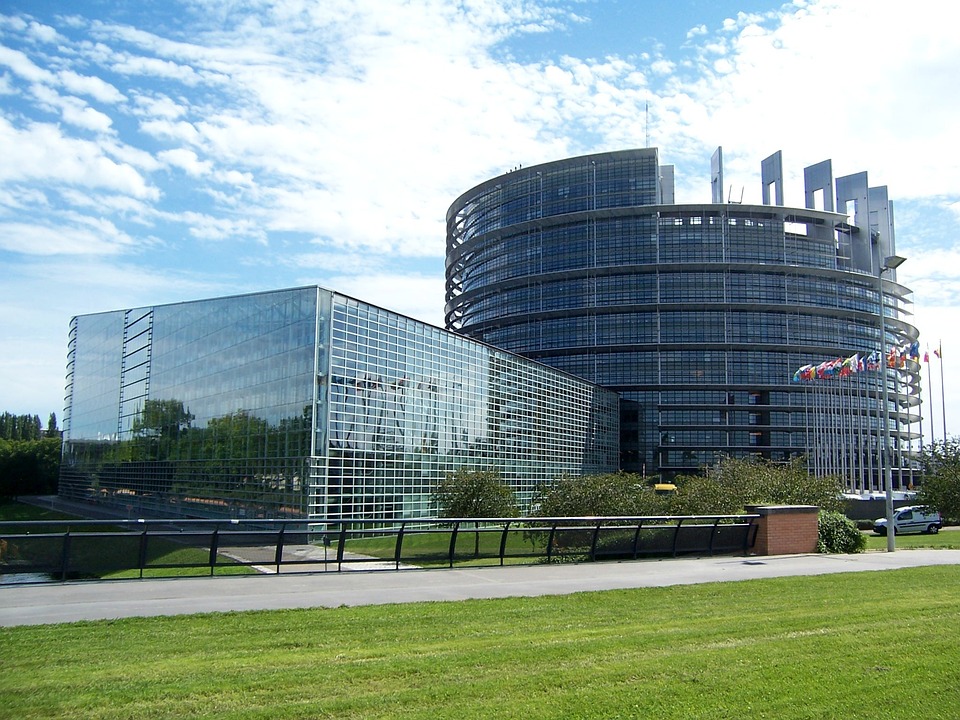
In an effort to actively combat climate change, the countries in the European Union have all agreed to adopt a mechanism that would impose carbon dioxide emissions tariffs. The tariffs would target imports of polluting goods.
The EU countries have agreed to adopt a mechanism that would impose tariffs on imported polluting goods such as iron, steel, cement, fertilizers, aluminum, and electricity. The mechanism, also known as the Carbon Border Adjustment Mechanism, will target the industrial imports of the 27 member countries of the EU, with the highest polluting products first.
The deal to adopt the mechanism was reached Tuesday in Brussels and would require companies, both domestic EU and overseas firms, to buy certificates to cover the embedded carbon dioxide emissions. Companies outside the EU are already required to obtain permits from the EU carbon market before they pollute.
“CBAM will be a crucial pillar of European climate policies,” said European Parliament member Mohammed Chahim from the Netherlands, in a statement issued by the parliament. “It is one of the only mechanisms we have to incentivize our trading partners to decarbonize their manufacturing industry.”
Chahim said that it would allow the bloc to “apply the ‘polluter pays’ principle to our industry.”
The goal of the mechanism is that European companies would not be undercut by cheaper goods that are produced in countries with weaker environmental rules. The deal also includes imported hydrogen that was initially not proposed by the bloc but lawmakers have pushed for during negotiations. Some details on the mechanism have yet to be determined this week in related negotiations related to the reform of an EU carbon market.
On the same day, the bloc’s foreign ministers have agreed to grant Bosnia candidate status to join the EU. This would put the Balkan nation on the road to membership.
Russia’s invasion of Ukraine has prompted the EU to consider expansion toward the eastern European countries. The willingness comes as the bloc is concerned that Russia and China may attempt to spread their influence into the Balkan regions should the countries hoping to join the bloc are thwarted.







