


 Amazon in Talks to Acquire AI Startup Decart for $7 Billion
  Apple Cuts iPhone 18 Pro Production Orders Amid Weak Demand
  TSMC Profit Set to Surge 65% as AI Chip Demand Drives Record Earnings
  TSMC Q3 Revenue Beats Estimates as AI Chip Demand Surges
  Zcash Plans Quantum-Resistant Security Upgrade for January
  Elon Musk Eyes Semiconductor Manufacturing Expansion With $15 Billion Terrafab Project
  Jameson Lopp Downplays AI Threat to Bitcoin Cryptography
  Robinhood Chain Eyes Priority Gas Auctions for Faster Trades
  Apple Supplier Luxshare Sees Limited Impact From US Patent Probe
  Moonshot AI Executives Seek Settlement Ahead of Hong Kong IPO
  Oracle Uses Trucked Natural Gas to Power AI Data Centers Amid Pipeline Delays
  Arthur Hayes Announces FLOP Testnet Launch Within Weeks
  OpenAI Revenue Hits $50 Billion, Below Earlier $70 Billion Estimate
  US Suspends Microsoft, Adobe From Green Card Program
  Elon Musk Accuses Indian Telecom Giants of Blocking Starlink Launch
  OpenAI Annualized Revenue Hits $50 Billion, Below Earlier Estimates
  Samsung, SK Hynix Shares Plunge as China Chip Competition Grows


 Add as a preferred source on Google
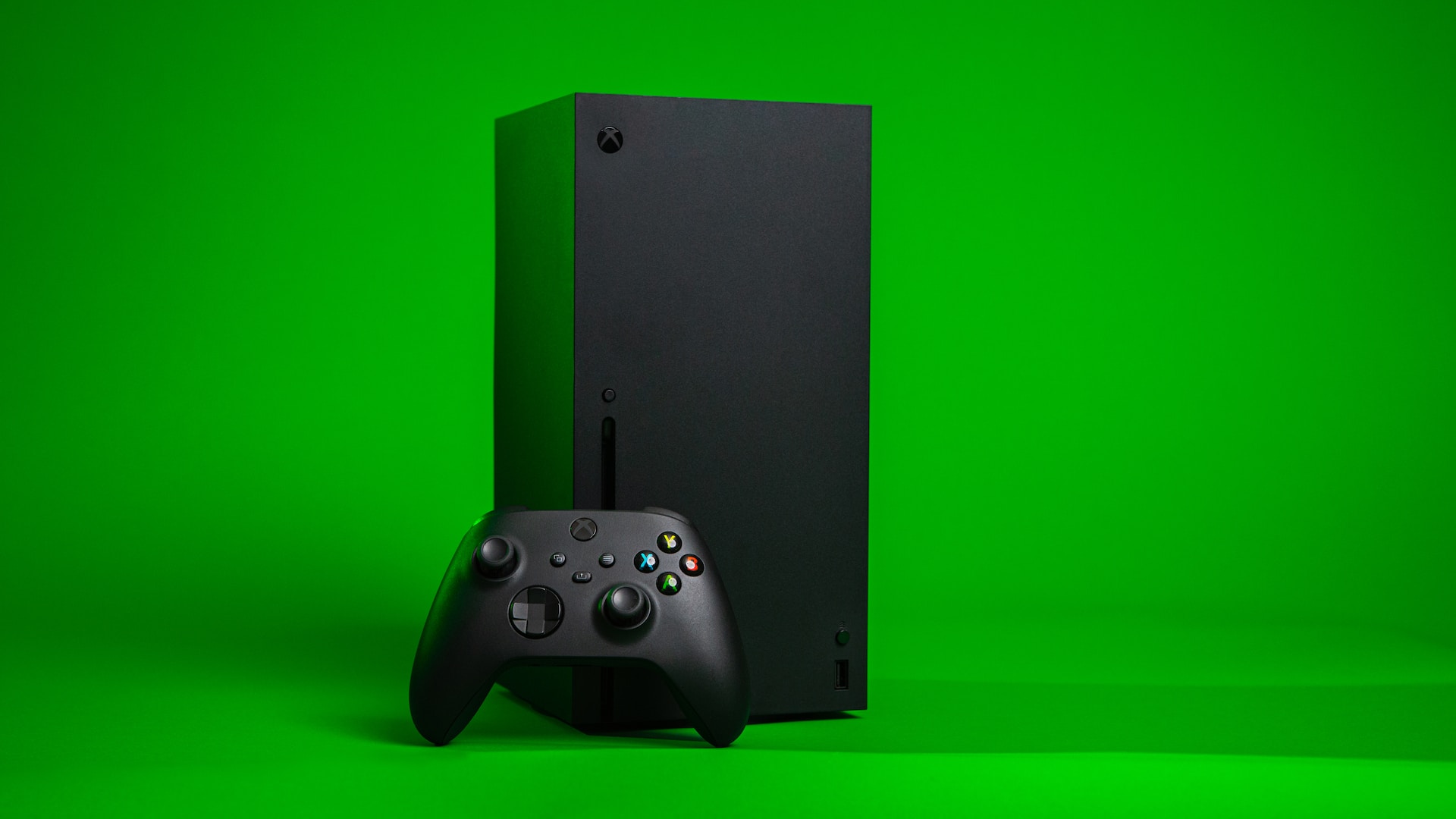
The next generation Xbox console is still a few years away, but it appears that it will be introduced before the PlayStation 6 because Microsoft wants to set the tone for the following generation of consoles.
Next Generation Xbox Will Be Powered By Zen 5 CPU
RedGamingTech showed in a new YouTube video how the timeframe for Microsoft's next console has moved dramatically since the FTC published data earlier this year. The console will be released in 2026, according to sources, and will be powered by a Zen 5 CPU rather than a Zen 6 CPU, as disclosed in the documents, because the sixth generation of the Zen architecture will not be ready by then.
Why is Microsoft intending to introduce the next generation Xbox before the PlayStation 6? It appears that the firm wants to set the tone for the next generation of consoles, as it did effectively with the Xbox 360 generation. The hardware will obviously be less powerful than the competition, but this will not only make it less expensive than the PlayStation 6 but also allow Microsoft to offer a more powerful hardware iteration in the future.
Although it is unknown whether Microsoft will sell two SKUs of their future console, speculations say that the lower-end market will be serviced by a cloud-gaming-focused console, which would make sense considering the company's focus on Xbox Game Pass and cloud gaming.
Fans must take these early speculations with a grain of salt because the next-generation Xbox is still a few years away. If the console does actually launch in a little more than two years, we won't have to wait long to hear more about it.
While Microsoft appears to be entirely focused on the next-generation Xbox, Sony is apparently developing a PlayStation 5 Pro console. The hardware update will be unveiled and released next year.
Zen 2 CPU in PlayStation 5 Pro is the Most Logical Choice
According to fairly fascinating research, the PlayStation 5 Pro is rumored to be powered by a Zen 2 CPU, which is the most appropriate for the device.
LeviathanGamer examined the alleged specifications of the new system on X/Twitter, going over both CPU and GPU. According to the analysis, a CPU with the same architecture as the base PS5 CPU makes the most sense, as the Zen 3 architecture provides a 16% performance increase but with an increase in die size, which would be a problem for an APU, raising manufacturing costs and potentially not providing any true performance benefit for a system that cannot disable CPU cores.
It would be the same with a Zen 4 CPU, as the increased die size would cause identical concerns. A Zen 4c CPU would likewise be unsuitable for the PlayStation 5 Pro since its lower chip size would necessitate costly modifications to make its 16-core layout work with an 8-core processor.
All of the performance gains delivered by these newer architectures would likewise be insignificant for CPU-bound games, making a Zen 2 CPU the most reasonable choice for the system.
Photo: Billy Freeman/Unsplash







