


 Tencent Shares Fall as $5 Billion AI Bond Sale Weighed
  Elon Musk Accuses Indian Telecom Giants of Blocking Starlink Launch
  Apple Cuts iPhone 18 Pro Production Orders Amid Weak Demand
  Moonshot AI Executives Seek Settlement Ahead of Hong Kong IPO
  Yandex Data Center Hit by Drone Strike as Russia-Ukraine Cyber Infrastructure Attacks Escalate
  OpenAI Revenue Hits $50 Billion, Below Earlier $70 Billion Estimate
  Robinhood Chain Eyes Priority Gas Auctions for Faster Trades
  Elon Musk Eyes Semiconductor Manufacturing Expansion With $15 Billion Terrafab Project
  Nvidia’s China AI Chip Market Share Falls to 34% as Huawei Gains Ground
  Samsung, SK Hynix Shares Plunge as China Chip Competition Grows
  US Suspends Microsoft, Adobe From Green Card Program
  Solidigm Taps Goldman, Morgan Stanley for $10 Billion US IPO
  Amazon in Talks to Acquire AI Startup Decart for $7 Billion
  Apple Names Steve Smith M&A Chief in Leadership Shakeup
  TSMC Q3 Revenue Beats Estimates as AI Chip Demand Surges


 Add as a preferred source on Google
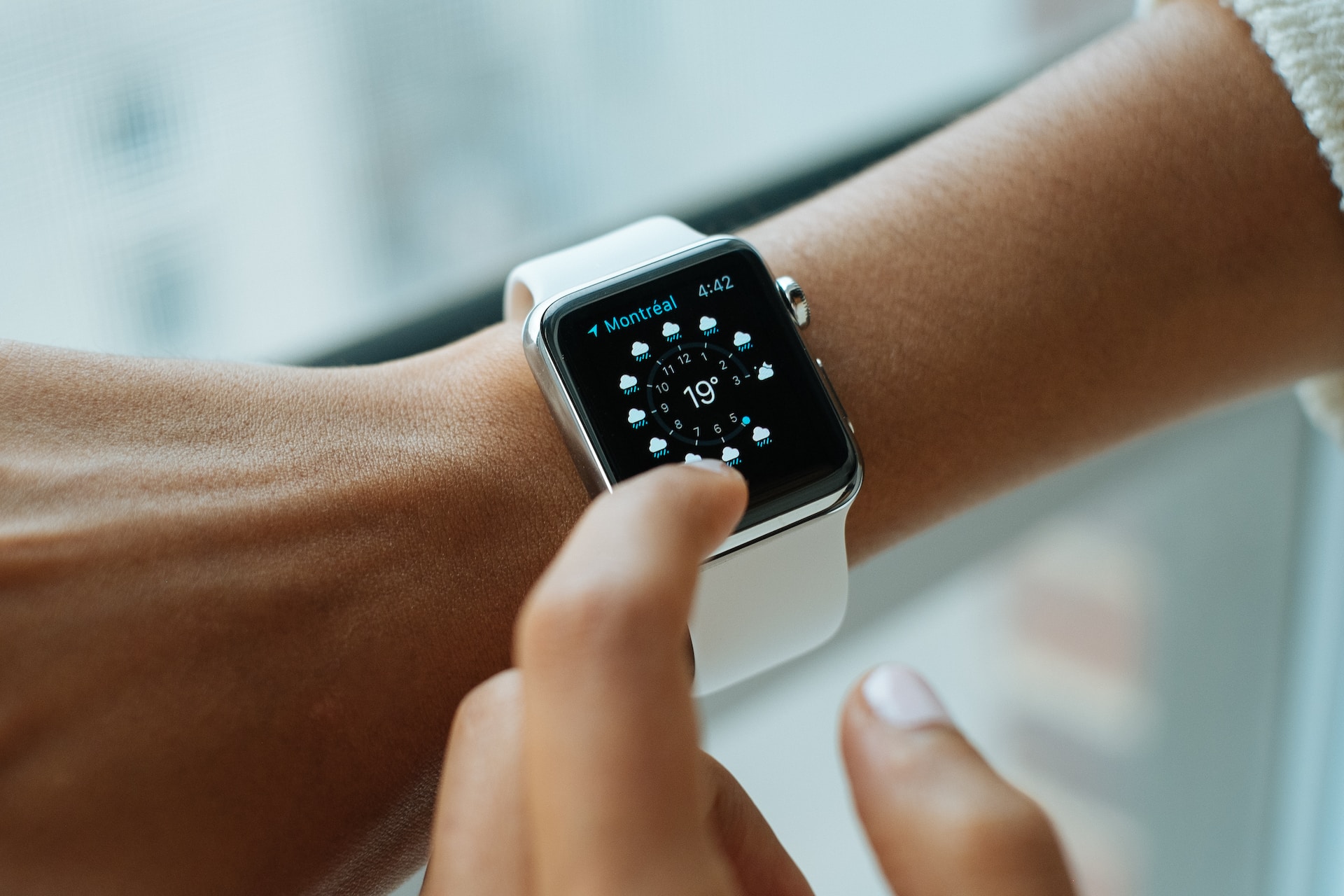
Apple has stated that sales of its two most current Apple Watch models, the Series 9 and Watch Ultra 2, will be halted starting December 21.
Apple To Stop Selling Apple Watch Series 9 and Watch Ultra 2
Apple has announced that it will suspend sales of its two most recent Apple Watch models, the Series 9 and Watch Ultra 2, awaiting an expected ban by the US International Trade Commission, according to WIRED. The federal agency is mulling a ban due to a disagreement over a patent for the technology used in Apple's blood-oxygen sensor in the latest Watch models.
According to 9to5Mac, sales on Apple.com will cease at 3 p.m. Eastern on December 21, and in-store inventory will be unavailable at retail locations beginning on December 24. Because the ITC's restriction only applies to Apple, the watches will continue to be sold in shops such as Amazon and Best Buy for the time being. The proposed prohibition also only applies to watch imports into the United States, thus, both watches will remain available in other nations.
Apple Faces Legal Challenges and Options for Its Watch Series 9 and Ultra 2
The suspension is the result of a long-running disagreement with the medical technology business Masimo. According to Engadget, Masimo will sue Apple in 2021. Apple was accused of infringing on one of the company's patents pertaining to light-based blood-oxygen monitoring. In October, the ITC upheld a judge's judgment that Apple had infringed on the patents. The decision triggered a 60-day presidential review period that ends on December 25. Apple is taking proactive steps to comply.
Apple has various alternatives for reintroducing wearables to the market. The business intends to file an appeal in federal court. It can also settle with Masimo by turning off the blood-oxygen sensing features. More information about the Watch 9 and Ultra 2's future plans should be available when the evaluation session ends on December 25.
Because many smartwatches look similar and have comparable functionality, it is uncommon for a business to successfully stop a competitor's sales by claiming patent infringement. Fitbit tried to prevent the import of Jawbone products in a patent battle in 2016 but dropped the claim after finding that... well, Jawbone doesn't sell that many fitness trackers anyhow. To see this happen to a Goliath corporation like Apple, the producer of the world's best-selling timepieces, is simply remarkable.
The verdict does not apply to the Watch SE since it lacks blood-tracking sensors. In our top Apple Watches guide, Apple's entry-level choice is our top overall pick. The prohibition also does not apply to any series prior to Series 9. Apple will include blood-monitoring capabilities in the Watch Series 6 in 2020; the Series 7 and Series 8 will remain available.
Photo: Luke Chesser/Unsplash







