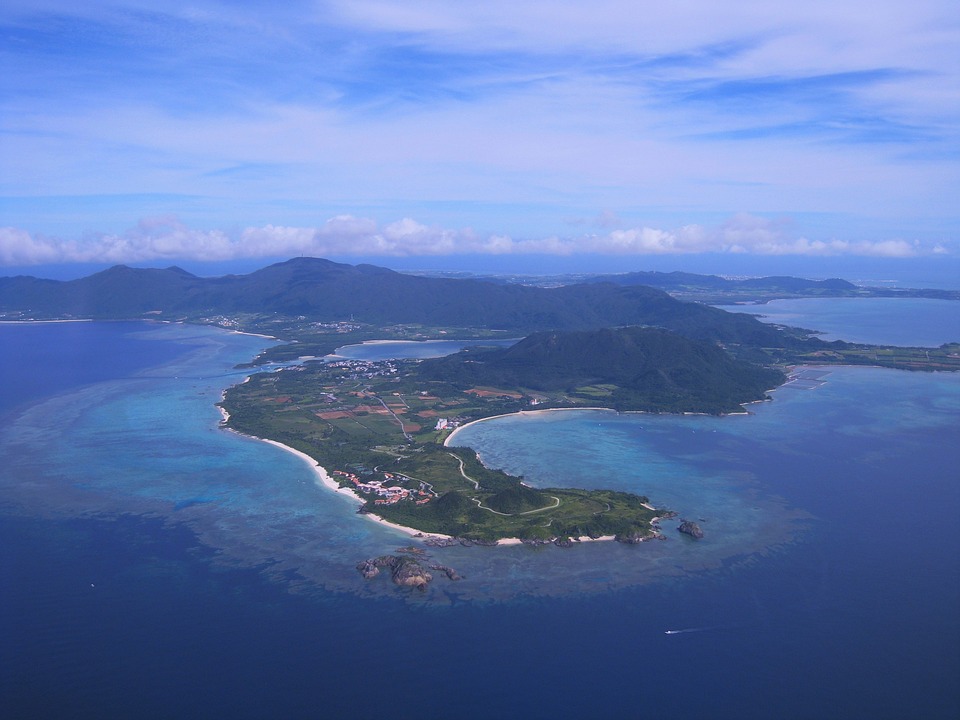
The Chinese coast guard said it has driven away Japanese vessels that were transiting through disputed islets in the East China Sea. The incident marks another flare in tensions between China and Japan over the islets.
Chinese state media said on Monday that the Chinese coast guard had driven away several Japanese vessels that were transiting close to the disputed islets in the East China Sea. Both countries have laid claims over the islets, which China calls Diaoyu and Japan refers to as Senkaku.
China Marine Police spokesperson Gan Yu said the Japanese vessels, the “Shinsei Maru” and four other ships “illegally” transited through the islets before they were driven away by the Chinese coast guards, according to state outlet CCTV. Gan also said Japan must “immediately stop all illegal activities in these waters and ensure that similar incidents will not happen again.”
Early this month, Japanese Prime Minister Fumio Kishida said during his visit to Washington that Japan, the United States, and Europe must present a united response to China. Kishida, at the time, visited the US in an effort to boost the Japan-US alliance amidst challenges posed by China.
In remarks at the Johns Hopkins School of Advanced International Studies, Kishida said that China was the central challenge of both Japan and the US.
“It is absolutely imperative for Japan, the United States, and Europe to stand united in managing our respective relationship with China,” said Kishida, who also met with US President Joe Biden at the White House earlier. Biden said that the US remains strongly committed to its alliance with Japan, praising Tokyo’s move to increase its defense spending back in December.
“The international community is at a historical point: The free, open, and stable international order that we have dedicated ourselves to upholding is now in grave danger,” said Kishida, adding that China’s vision of international order is different from Japan’s and the US in ways that allies “can never accept.”
Kishida stressed that China must make a decision to comply with international law and that Beijing cannot change the international order in a manner that is contrary to the rules. Kishida also reiterated the strong opposition to unilateral changes to the status quo by force.