


 Trump Calls for Zelenskyy Replacement Amid Russian Diesel Deal
  Kim Jong Un Showcases ICBM Ahead of Possible Trump Meeting
  Houthis Warn Saudi Airports After Deadly Riyadh Attack
  European Auto Stocks Rise as EU-China Trade Deal Targets Hybrid Imports
  NATO Commander Warns Russia of Devastating Response to Attack
  Zelenskiy Offers Russia Energy Truce Amid Trump Pressure
  Djibouti Migrant Boat Capsizes, Killing 139 and Leaving 84 Missing
  Brazil Election: Lula and Bolsonaro Rally Ahead of October 25 Runoff
  US Authorities Raid Ilhan Omar’s Home Amid Immigration Fraud Probe
  Trump Announces Russia-Ukraine Energy Ceasefire Amid U.S. Pressure on Kyiv
  Yandex Data Center Hit by Drone Strike as Russia-Ukraine Cyber Infrastructure Attacks Escalate
  India Voter List Protests Reach Supreme Court as Opposition Demands Election Chief's Resignation
  US Judge Blocks Trump Administration’s Taxpayer-Funded Political Ads
  North Korea Fires Ballistic Missiles as Tensions With South Korea Escalate
  Trump Sanctions International Criminal Court, Sparking EU Backlash
  Jordan Bardella Antisemitism Allegations Threaten Le Pen’s Campaign
  Elon Musk Donates $366 Million to 2026 US Midterms


 Add as a preferred source on Google
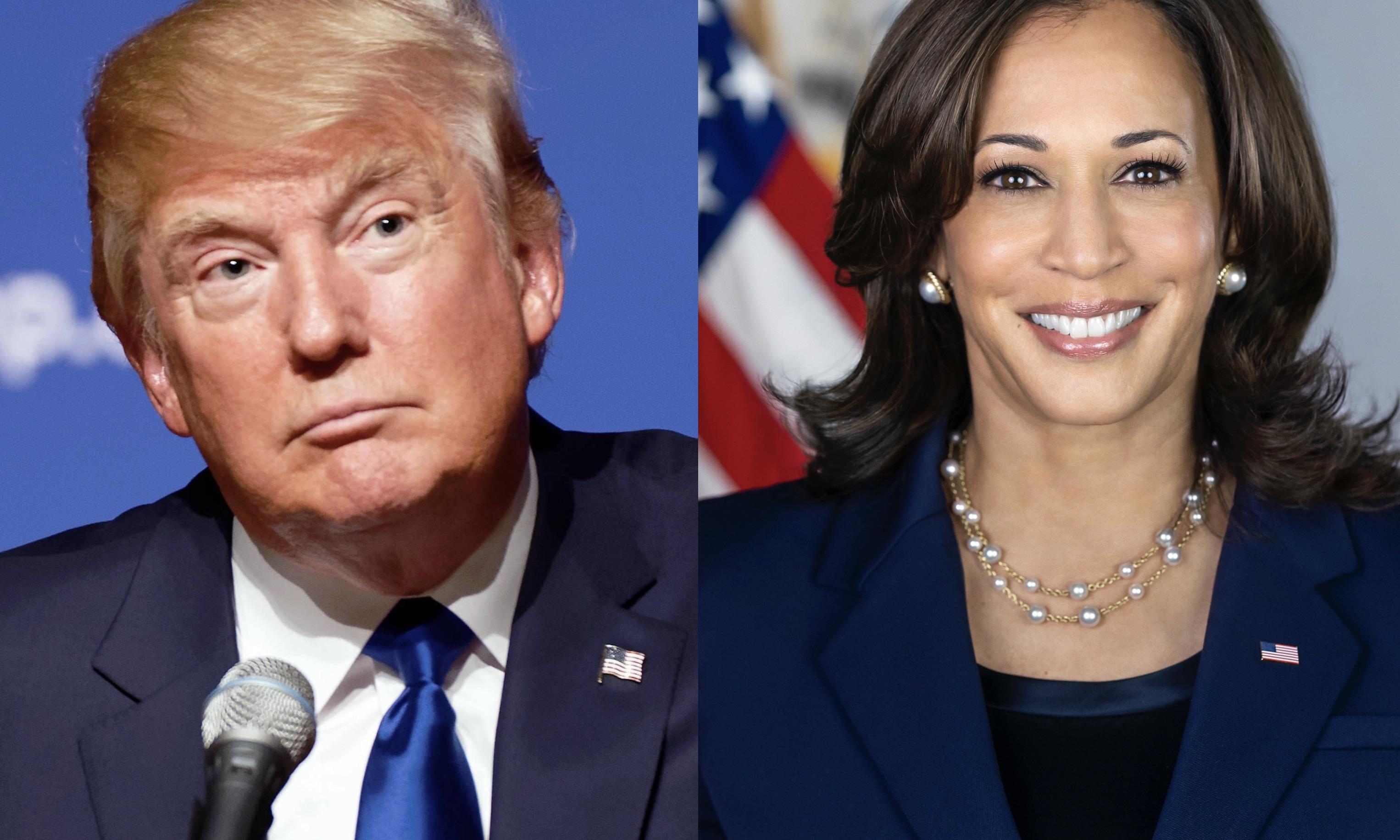
A staggering 60% of Americans are gripped with fear that cheating could mar the results of the upcoming 2024 Presidential Election, according to a recent Rasmussen survey. This level of skepticism underscores the increasingly fragile trust Americans have in their electoral process, a sentiment that could play a pivotal role as the nation heads to the polls next year.
The survey revealed a sharp divide, with those worried about election integrity primarily identifying with the Republican and Independent parties, while a significant percentage of Democrats expressed confidence in the process. Rasmussen’s poll highlights the widening chasm of trust among American voters, with 41% of Democratssharing similar concerns over election integrity, though at a lower rate compared to their Republican counterparts, with 77% of Republicans highly suspicious of possible tampering or malfeasance.
Fear of Cheating Stems from 2020 Fallout
Many of these concerns echo the lingering doubts from the 2020 Presidential Election, which was engulfed in controversy over allegations of widespread voter fraud. Despite multiple investigations and lawsuits finding no evidence to support claims of mass cheating, the narrative has persisted, particularly among supporters of former President Donald Trump.
According to sources close to Life & Style Magazine, “The American public has never been more divided,” and this disunity is intensifying as Election Day looms closer. The insider went on to state, “What we’re seeing here is a growing mistrust in the system itself, something that could have long-lasting effects on voter turnout and overall faith in democracy.”
A Divided Nation
While Democrats and Republicans continue to clash on various issues, this concern over election fraud bridges the political spectrum—albeit unequally. While more than 70% of Republicans believe that cheating is a major threat to the upcoming election, the survey shows that 45% of Independents also fear electoral fraud may influence the results.
Election officials have already been put on high alert to address these concerns. Federal authorities are gearing up for increased scrutiny of polling practices, while tech companies face pressure to ensure that disinformation doesn’t run rampant as it did in 2020.
"What Will Happen If We Can't Trust the Results?" - Americans Demand Answers
The stakes could not be higher, as voters nationwide ask: “What will happen if we can’t trust the results?” With more than half of the electorate doubting the legitimacy of the election process, experts warn this erosion of trust may push the country to a political breaking point.
A White House source told Newsweek, “It’s a nightmare scenario. If people refuse to accept the results, we are staring down a crisis of democracy.”
The 2024 Presidential Election may well be remembered not only for who wins but for the controversy that seems destined to follow it. And as these fears grow, so does the pressure on election officials to restore faith in America’s fragile democratic process.







