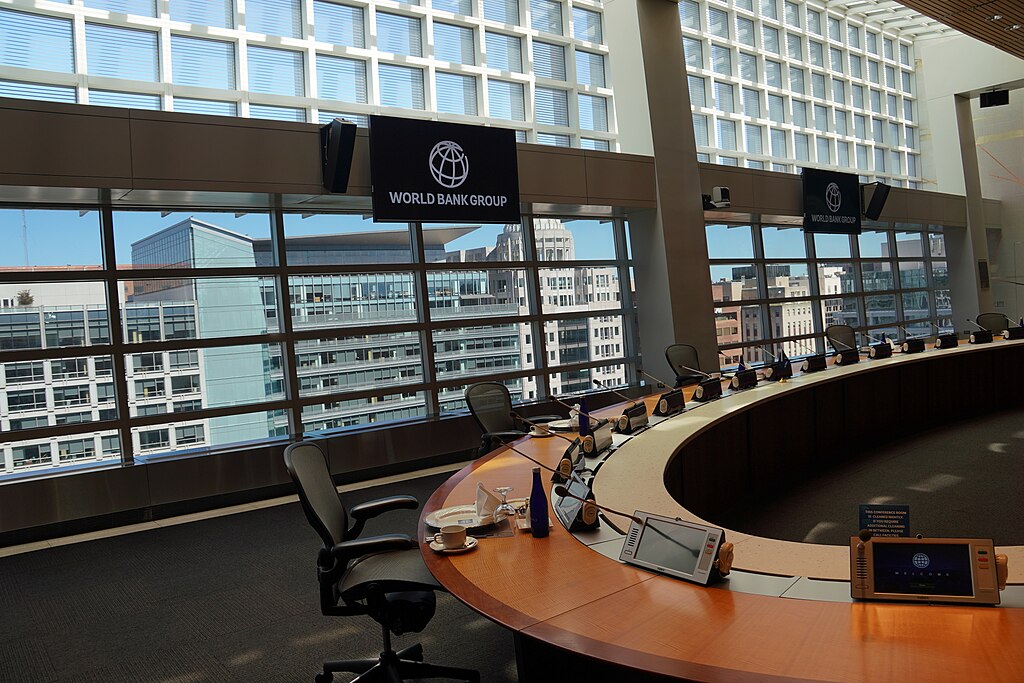
Global development leaders are urging the World Bank to expand its lending capacity amid sweeping foreign aid cuts by the U.S. and Europe. Think tanks and advocacy groups are calling for the International Bank for Reconstruction and Development (IBRD) to reduce its equity-to-lending ratio from 18% to 17%, potentially unlocking $30–40 billion in new lending without additional taxpayer burden or risking capital reserves.
Eric Pelofsky, vice president of the Rockefeller Foundation, emphasized that these funds could help developing nations address urgent budget shortfalls and support vital infrastructure such as healthcare, water, and sanitation systems. He also highlighted the need for low-interest, short-term loans to help NGOs avoid shutdowns and transition to sustainable funding models.
The proposal follows a series of internal reforms. In 2023, the World Bank lowered the IBRD’s equity ratio from 20% to 19%, and again to 18% last year—changes aligned with recommendations from the G20’s independent commission.
The urgency has grown since U.S. President Donald Trump’s return to office in January, as his administration slashed billions in foreign aid in line with "America First" policies. European nations have also reduced their development assistance budgets, deepening global funding gaps.
Eric LeCompte, executive director of Jubilee USA Network and a UN adviser, stressed the importance of timely action. “The World Bank can and should act immediately. This move could help fill the critical funding void left by Western donors,” he said.
Experts warn that delays could have devastating consequences, with millions of lives at risk due to the collapse of aid-dependent programs and services. With rising global needs and fewer donors, stakeholders say the World Bank must act decisively to stabilize development financing.