


 Brazil Election: Lula and Bolsonaro Rally Ahead of October 25 Runoff
  US Authorities Raid Ilhan Omar’s Home Amid Immigration Fraud Probe
  NATO Commander Warns Russia of Devastating Response to Attack
  North Korea Fires Ballistic Missiles as Tensions With South Korea Escalate
  Mahmoud Abbas Postpones Palestinian Elections to September 2027
  Most Americans Oppose Election Betting on Prediction Markets, Poll Finds
  Houthis Warn Saudi Airports After Deadly Riyadh Attack
  Trump Plans White House Shake-Up of Key AI Safety Agency
  Trump Calls for Zelenskyy Replacement Amid Russian Diesel Deal
  US Judge Blocks Trump Administration’s Taxpayer-Funded Political Ads
  Zelenskiy Offers Russia Energy Truce Amid Trump Pressure
  Greenland Lawmakers Back Trump Security Deal Despite Economic Concerns
  Pakistan Declares Emergency in Khyber Pakhtunkhwa, Suspends Imran Khan’s PTI Government
  Panama Declares Emergency After 7.7 Earthquake Triggers 200 Aftershocks
  Trump Sanctions International Criminal Court, Sparking EU Backlash
  Trump Defends Russian Diesel Deal Amid US Sanctions Backlash
  Jordan Bardella Antisemitism Allegations Threaten Le Pen’s Campaign


 Add as a preferred source on Google
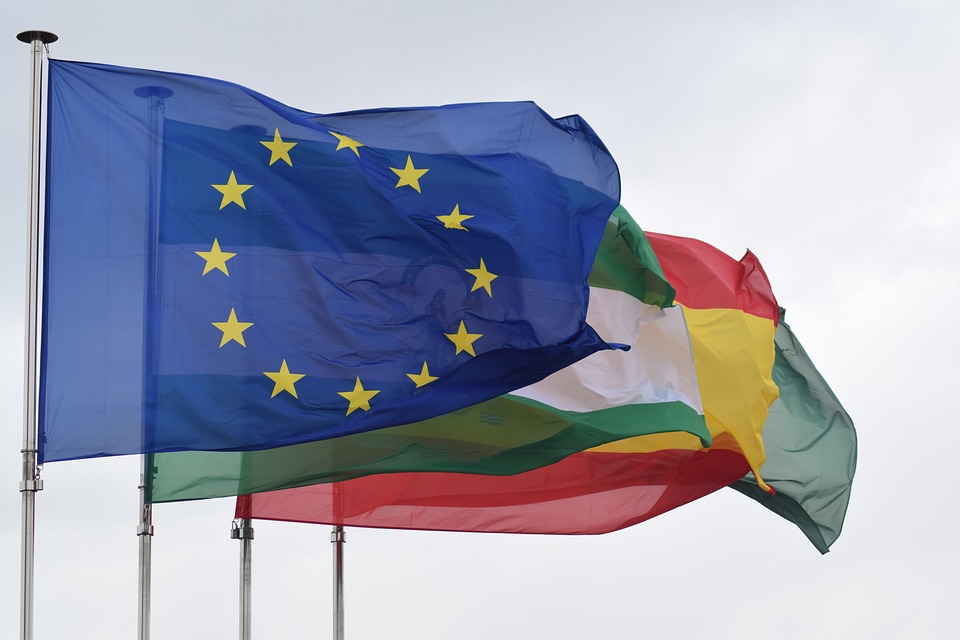
11 countries of the European Union have urged “great caution” when it comes to the bloc relaxing state aid rules. The loosening of state aid rules is part of an effort to support Europe’s green industry.
A document addressed to the EU’s executive branch dating February 10 was signed by 11 EU countries; Denmark, Finland, Ireland, Poland, Sweden, the Netherlands, Hungary, Latvia, Czech Republic, Slovakia, and Belgium, urging the European Commission to exercise great caution in loosening state aid rules.
The document was in response to the commission’s proposal of easing EU restrictions on state aid for investments in renewable energy or decarbonizing industry which was also partially in response to the US Inflation Reduction Act.
The countries that signed the document expressed concerns that the loosening of state aid rules would benefit only the wealthiest in the bloc.
“State aid for the mass production and commercial activities can lead to significant negative effects including the fragmentation of the internal market, harmful subsidy races, and weakening of regional development,” said the countries in the joint position paper seen by Reuters. “These harms can be greater than the positive effects. We the co-signing member states, urge the Commission to exercise great caution.”
The European Commission confirmed receiving the joint position paper and said it was planning to adopt new rules in the coming weeks, considering the feedback.
The 11 countries urged the Commission to consider if other policies could better achieve the goal of promoting the green industry and analyzing the risks before making any changes.
Meanwhile, representatives of the EU countries are set to meet in Brussels on Wednesday to discuss a new round of sanctions against Russia as the bloc is expected to agree on a new set of sanctions to mark the first anniversary of Russia’s invasion of Ukraine. However, specific proposals must be unanimously approved by all EU countries.
“We are weakening Russia’s ability to maintain its war machine. We have adopted nine packages of sanctions, the Russian economy is shrinking,” said EU commission chief Ursula von der Leyen to the European Parliament. “We need to keep up the pressure.”







