


 Trump Plans White House Shake-Up of Key AI Safety Agency
  India Voter List Protests Reach Supreme Court as Opposition Demands Election Chief's Resignation
  US Authorities Raid Ilhan Omar’s Home Amid Immigration Fraud Probe
  Trump Calls for Zelenskyy Replacement Amid Russian Diesel Deal
  Houthis Warn Saudi Airports After Deadly Riyadh Attack
  Yandex Data Center Hit by Drone Strike as Russia-Ukraine Cyber Infrastructure Attacks Escalate
  Trump Announces Russia-Ukraine Energy Ceasefire Amid U.S. Pressure on Kyiv
  Brazil Election: Lula and Bolsonaro Rally Ahead of October 25 Runoff
  Most Americans Oppose Election Betting on Prediction Markets, Poll Finds
  Zelenskiy Offers Russia Energy Truce Amid Trump Pressure
  Kim Jong Un Showcases ICBM Ahead of Possible Trump Meeting
  Russian Strikes Kill Six in Ukraine, Including Three in Kharkiv
  Trump Announces Russia-Ukraine Energy Ceasefire as Zelenskiy Awaits Details
  European Auto Stocks Rise as EU-China Trade Deal Targets Hybrid Imports
  UK Finance Minister Healey Calls for Fiscal Discipline Amid Global Risks
  Jordan Bardella Antisemitism Allegations Threaten Le Pen’s Campaign
  Djibouti Migrant Boat Capsizes, Killing 139 and Leaving 84 Missing


 Add as a preferred source on Google
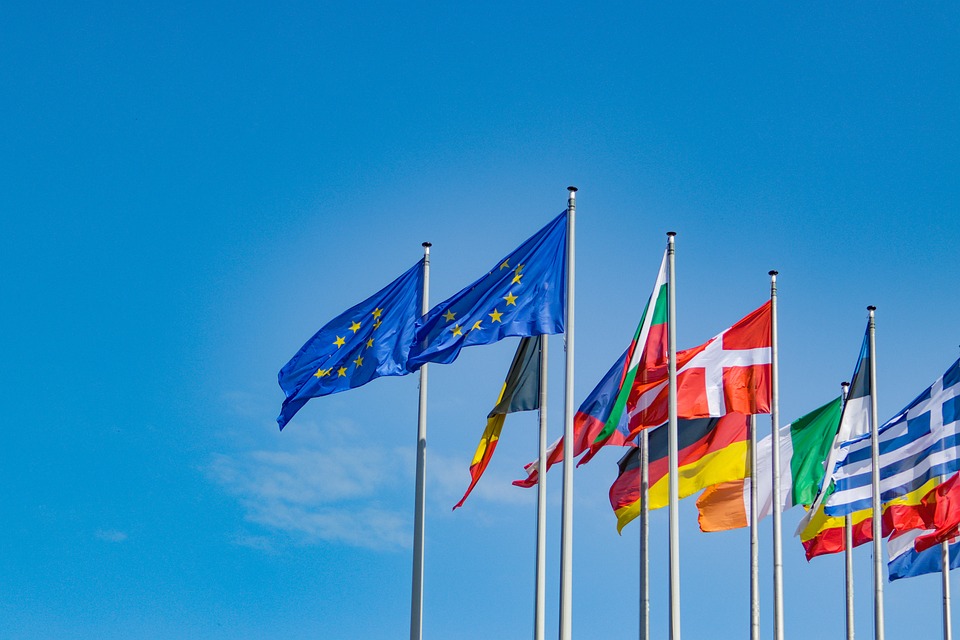
The European Union has provided Finland with funds to set up a reserve to prepare the bloc for potential threats. The reserve comes amidst the ongoing war Russia is waging on Ukraine.
The Finnish government said on Tuesday that the EU has given $262 million to set up a reserve for all the bloc’s members to prepare for potential chemical, nuclear, and radiological threats. In a statement, the European Commissioner for Crisis Management Janez Lenarcic said Russia’s invasion of Ukraine highlighted the need to strengthen the bloc’s preparedness against such threats.
The Finnish interior ministry said the reserve would be made up of rescue equipment and medical supplies, including antidotes and radiation meters that aim to protect first responders and civilians. The reserve would be ready for use by 2024 and would dispatch supplies to a disaster or crisis in need within 12 hours of an offer for assistance being accepted.
“The stockpiles to be established in Finland will improve the European Union’s strategic preparedness and readiness to respond to different kinds of threats, especially in Northern Europe and the Baltic Sea Region,” said Finnish interior minister Krista Mikkonen.
Finland shares a 1,300-kilometer border with Russia and is located close to the Baltic countries that fear a potential escalation of the nearly 11-month-long war, such as the possible use of nuclear weapons by Russia or a nuclear accident.
Meanwhile, European Commission President Ursula von der Leyen said in remarks at the World Economic Forum in Davos that the bloc needs to work and trade with China on clean technology, saying that China has prioritized boosting clean technology innovation and manufacturing, leading in sectors such as electric vehicles and solar panels.
However, von der Leyen said that competition “must be based on a level-playing field” as China had been encouraging energy-focused companies to relocate to the country with promises of cheap energy, low labor costs, and lenient regulations. The EU chief added that China subsidizes its industry and restricts access to its market for EU companies.
“We will still need to work and trade with China – especially when it comes to this transition. So we need to focus on de-risking rather than decoupling,” said von der Leyen.







